Integration of Electric Machinery with the ADEME Program
Volvo CE is deploying electric construction equipment eligible for environmental funding to reduce emissions in the public works sector. www.volvoce.com The integration of electric construction machinery falls within the framework of the ADEME CEE E-TRANS government financing scheme. This initiative targets the construction and public works sector by facilitating access to low-emission industrial equipment and its associated charging infrastructure. The Industrial Challenge and Cooperation Framework The construction sector is facing the technical and regulatory necessity to reduce its greenhouse gas emissions. Non-road mobile machinery generated 6.1 million tonnes of carbon dioxide equivalent in 2021. The initial investment cost of electric equipment constitutes a structural obstacle to the energy transition of fleets. The Ecological Transition Agency's (ADEME) scheme steps in to offset this financial gap by covering up to 65 percent of the additional cost associated with acquiring an electric machine. Volvo CE acts as a provider of technical solutions that are compatible with these financing criteria. Technical Solutions and Responsibilities Volvo CE offers a range of electric machinery manufactured in Europe. This technical selection includes the EC18, ECR18, and ECR25 mini excavators, the EWR150 wheeled excavator, the L20, L25, and L90 loaders, as well as the A30 and A40 articulated haulers. The deployment of this equipment is based on an analysis of operational parameters, including the required operating autonomy, work cycles, and the site's energy grid capacity. Volvo CE's responsibility encompasses the sizing of fixed or mobile charging systems to ensure the operational stability of the machines. User companies bear the administrative responsibility of submitting the application file, a procedure that must be validated prior to any legal or contractual commitment. Deployment and Integration The implementation of these electric solutions takes place on urban construction sites and in environments subject to emissions restrictions. Integration requires a preliminary assessment of the existing electrical infrastructure in order to optimally size the digital and energy charging setup, thereby maintaining process continuity. The deployment program remains active until December 2026, processed in the chronological order of application submissions. Applications and Use Cases This electric equipment is intended for public works companies, local authorities, and heavy equipment rental companies. Technical applications cover local works in urban environments as well as excavation or material handling operations requiring higher production capacity. Operationally, the use of these machines enables a reduction in vibrations and noise pollution, the elimination of direct exhaust emissions, and an improvement in environmental safety on the construction site. Results and Expected Impacts The technical impact lies in maintaining earthmoving and material handling capacities through electric motors replacing traditional combustion systems. Support from the ADEME scheme alters the cost structure, making the adoption of these technologies economically viable for the industry. This systemic approach ensures a measurable decrease in the carbon footprint associated with the use of non-road machinery while complying with strict industrial productivity and maintenance requirements. Edited by Maria Brueva, Induportals Editor – adapted by AI. www.volvoce.com Powered by Induportals Media Publishing
 machineryasia
Volvo CE is deploying electric construction equipment eligible for environmental funding to reduce emissions in the public works sector.
www.volvoce.com
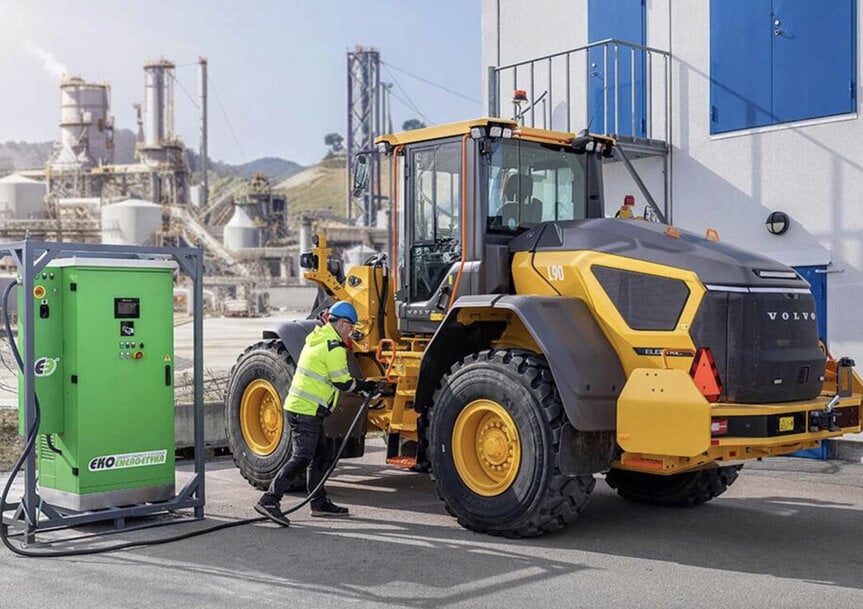
The integration of electric construction machinery falls within the framework of the ADEME CEE E-TRANS government financing scheme. This initiative targets the construction and public works sector by facilitating access to low-emission industrial equipment and its associated charging infrastructure.
The Industrial Challenge and Cooperation Framework
The construction sector is facing the technical and regulatory necessity to reduce its greenhouse gas emissions. Non-road mobile machinery generated 6.1 million tonnes of carbon dioxide equivalent in 2021. The initial investment cost of electric equipment constitutes a structural obstacle to the energy transition of fleets. The Ecological Transition Agency's (ADEME) scheme steps in to offset this financial gap by covering up to 65 percent of the additional cost associated with acquiring an electric machine. Volvo CE acts as a provider of technical solutions that are compatible with these financing criteria.
Technical Solutions and Responsibilities
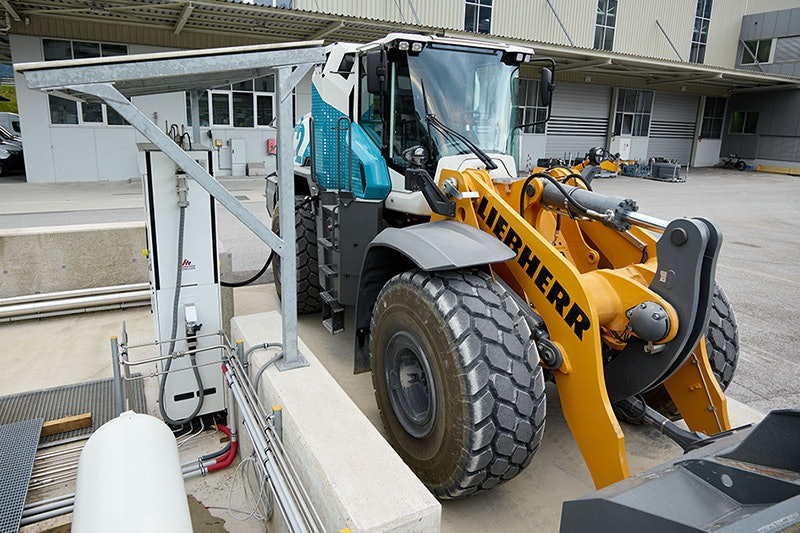
Volvo CE offers a range of electric machinery manufactured in Europe. This technical selection includes the EC18, ECR18, and ECR25 mini excavators, the EWR150 wheeled excavator, the L20, L25, and L90 loaders, as well as the A30 and A40 articulated haulers. The deployment of this equipment is based on an analysis of operational parameters, including the required operating autonomy, work cycles, and the site's energy grid capacity. Volvo CE's responsibility encompasses the sizing of fixed or mobile charging systems to ensure the operational stability of the machines. User companies bear the administrative responsibility of submitting the application file, a procedure that must be validated prior to any legal or contractual commitment.
Deployment and Integration
The implementation of these electric solutions takes place on urban construction sites and in environments subject to emissions restrictions. Integration requires a preliminary assessment of the existing electrical infrastructure in order to optimally size the digital and energy charging setup, thereby maintaining process continuity. The deployment program remains active until December 2026, processed in the chronological order of application submissions.
Applications and Use Cases
This electric equipment is intended for public works companies, local authorities, and heavy equipment rental companies. Technical applications cover local works in urban environments as well as excavation or material handling operations requiring higher production capacity. Operationally, the use of these machines enables a reduction in vibrations and noise pollution, the elimination of direct exhaust emissions, and an improvement in environmental safety on the construction site.
Results and Expected Impacts
The technical impact lies in maintaining earthmoving and material handling capacities through electric motors replacing traditional combustion systems. Support from the ADEME scheme alters the cost structure, making the adoption of these technologies economically viable for the industry. This systemic approach ensures a measurable decrease in the carbon footprint associated with the use of non-road machinery while complying with strict industrial productivity and maintenance requirements.
Edited by Maria Brueva, Induportals Editor – adapted by AI.
www.volvoce.com
Powered by
Induportals Media Publishing