3D Perception Mining Automation Platform
Sandvik has introduced a new underground automation platform designed to improve productivity, safety, and remote supervision in connected mining operations. www.home.sandvik Sandvik launched AutoMine Aura, a next-generation underground mining automation platform featuring a 3D perception navigation system and advanced remote supervision capabilities. The solution is designed to improve equipment utilization, operational safety, and management of complex underground mining environments through a scalable automation architecture. This evolution of the AutoMine platform, which has been used in surface and underground mining operations for more than two decades, introduces a completely redesigned software architecture capable of integrating with existing networks and access control systems without requiring major modifications to mining infrastructure. Autonomous Navigation with Three-Dimensional Perception The primary technological advancement of the new platform is a navigation system integrating real-time 3D perception for underground mining operations. According to Sandvik, the technology demonstrated the capability to move more than 15% additional material in one of the world’s most demanding underground mining environments. The three-dimensional perception system improves obstacle detection, tunnel mapping, and situational awareness for autonomous equipment operating underground. This approach is intended to reduce blind spots and optimize the movement of automated loaders in low-visibility environments. Autonomous navigation technologies are becoming increasingly important in underground mining, where dust, vibration, and low-light conditions limit the effectiveness of conventional systems relying only on GPS or two-dimensional sensors. Mining Automation and Remote Supervision The platform also introduces a new operator interface designed to provide full visibility of the underground mining environment. The interface enables remote supervision and control of multiple machines simultaneously from operational centers located away from extraction zones. This approach helps reduce operator exposure to dust, noise, vibration, and other hazards commonly found in underground mines. It also supports the transition of mining roles toward more technology-focused positions centered on automated system management and operational data analysis. Sandvik stated that the platform retains the safety principles and access control mechanisms already used in previous generations of AutoMine. The new 3D perception and adaptive intelligence capabilities further strengthen these functions in dynamic environments where operating conditions can change rapidly. Network Compatibility and Scalable Mining Infrastructure One of the key objectives of the new platform is compatibility with existing industrial networks and control systems to minimize disruption during deployment. This compatibility reduces infrastructure modification requirements while preparing mining operations for future digital technology integration. AutoMine Aura will initially be deployed on Sandvik underground loaders before gradually expanding to additional mining equipment product lines. According to David Hallett, Vice President – Automation at Sandvik, the new platform represents an entirely new architecture rather than a software upgrade of the existing solution. He noted that the productivity improvements associated with the 3D perception system have already been validated at operational customer sites. Sandvik plans to present the platform to the global mining industry during its Future of Mining event in Tampere, Finland, from September 1–3, 2026. Additional Context: Technical Specifications and Competitive Benchmarking Underground mining automation platforms typically combine LiDAR sensors, stereoscopic cameras, inertial navigation systems, and industrial communication networks to enable autonomous equipment movement in underground tunnels. Systems equipped with 3D perception improve positioning accuracy and obstacle detection in environments where satellite navigation signals are unavailable. Competing technologies in the mining sector include Caterpillar MineStar Command and ABB Ability eMine, both of which provide automation, remote supervision, and autonomous fleet management functions. Key technical differences among these platforms involve autonomous navigation capability, real-time data integration, compatibility with existing equipment, and environmental perception performance. Systems integrating 3D LiDAR technologies and advanced perception algorithms are increasingly important in deep underground mines and high-density mobile equipment operations, where collision risks and limited visibility require more advanced real-time detection capabilities. Edited by Sucithra Mani, Induportals editor – adapted by AI. www.mining.sandvik.com Powered by Induportals Media Publishing
 machineryasia
Sandvik has introduced a new underground automation platform designed to improve productivity, safety, and remote supervision in connected mining operations.
www.home.sandvik
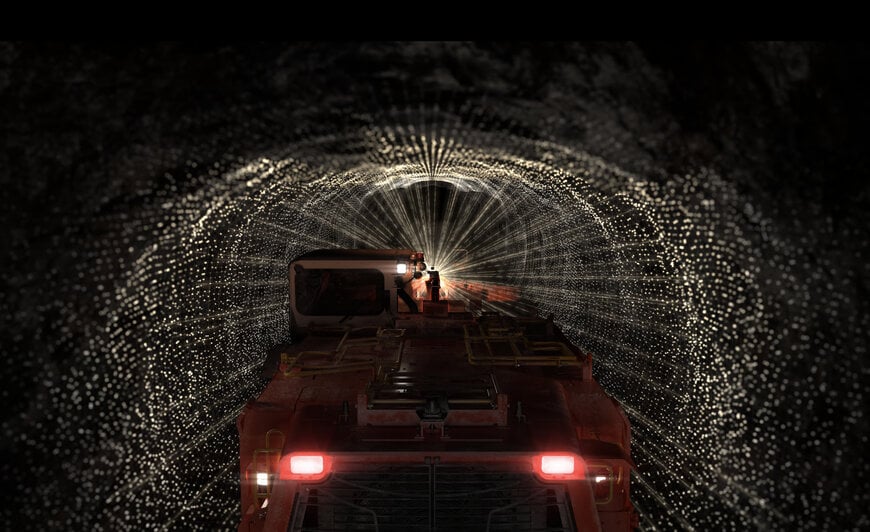
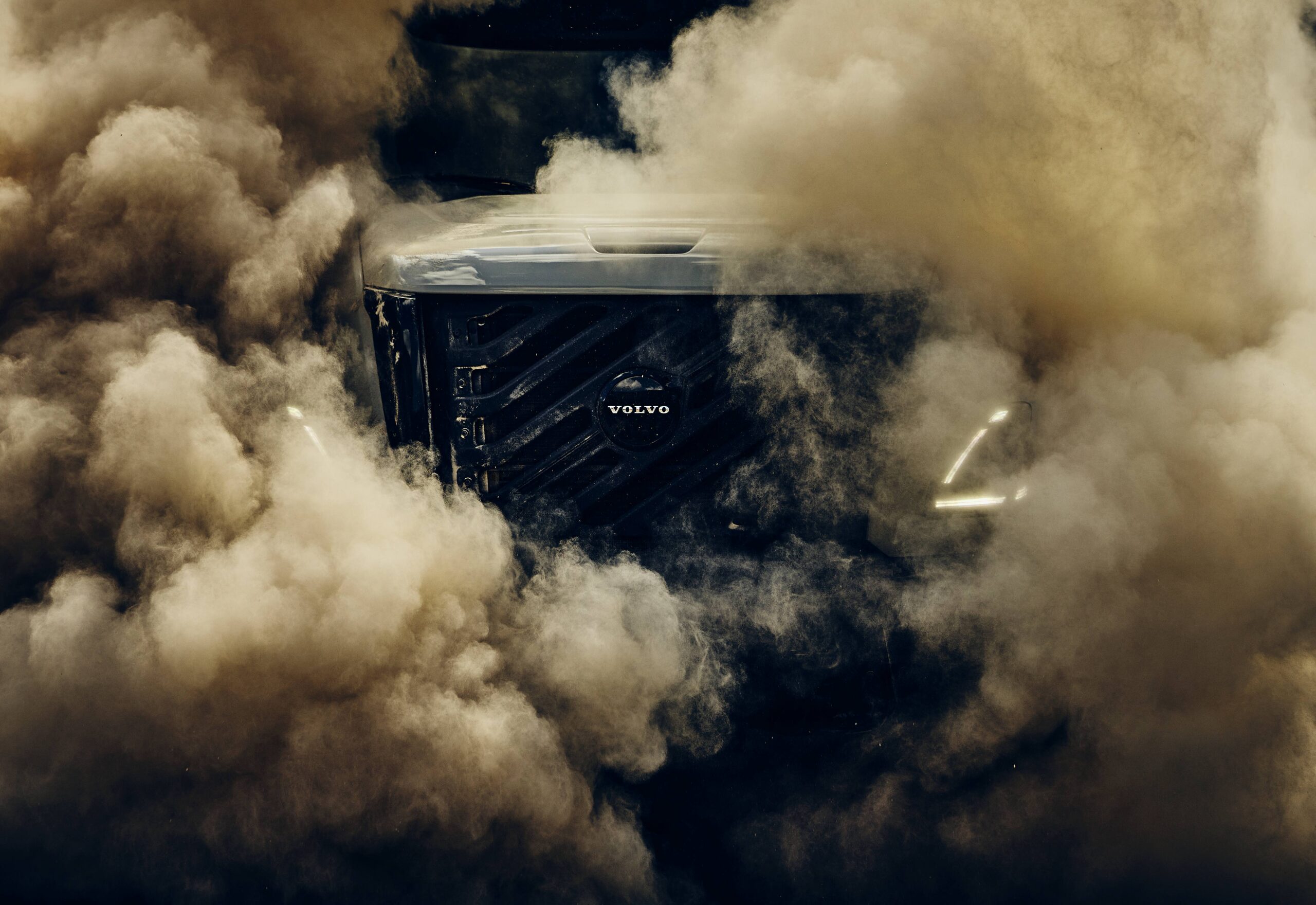
Sandvik launched AutoMine Aura, a next-generation underground mining automation platform featuring a 3D perception navigation system and advanced remote supervision capabilities. The solution is designed to improve equipment utilization, operational safety, and management of complex underground mining environments through a scalable automation architecture.
This evolution of the AutoMine platform, which has been used in surface and underground mining operations for more than two decades, introduces a completely redesigned software architecture capable of integrating with existing networks and access control systems without requiring major modifications to mining infrastructure.
Autonomous Navigation with Three-Dimensional Perception
The primary technological advancement of the new platform is a navigation system integrating real-time 3D perception for underground mining operations. According to Sandvik, the technology demonstrated the capability to move more than 15% additional material in one of the world’s most demanding underground mining environments.
The three-dimensional perception system improves obstacle detection, tunnel mapping, and situational awareness for autonomous equipment operating underground. This approach is intended to reduce blind spots and optimize the movement of automated loaders in low-visibility environments.
Autonomous navigation technologies are becoming increasingly important in underground mining, where dust, vibration, and low-light conditions limit the effectiveness of conventional systems relying only on GPS or two-dimensional sensors.
Mining Automation and Remote Supervision
The platform also introduces a new operator interface designed to provide full visibility of the underground mining environment. The interface enables remote supervision and control of multiple machines simultaneously from operational centers located away from extraction zones.
This approach helps reduce operator exposure to dust, noise, vibration, and other hazards commonly found in underground mines. It also supports the transition of mining roles toward more technology-focused positions centered on automated system management and operational data analysis.
Sandvik stated that the platform retains the safety principles and access control mechanisms already used in previous generations of AutoMine. The new 3D perception and adaptive intelligence capabilities further strengthen these functions in dynamic environments where operating conditions can change rapidly.
Network Compatibility and Scalable Mining Infrastructure
One of the key objectives of the new platform is compatibility with existing industrial networks and control systems to minimize disruption during deployment. This compatibility reduces infrastructure modification requirements while preparing mining operations for future digital technology integration.
AutoMine Aura will initially be deployed on Sandvik underground loaders before gradually expanding to additional mining equipment product lines.
According to David Hallett, Vice President – Automation at Sandvik, the new platform represents an entirely new architecture rather than a software upgrade of the existing solution. He noted that the productivity improvements associated with the 3D perception system have already been validated at operational customer sites.
Sandvik plans to present the platform to the global mining industry during its Future of Mining event in Tampere, Finland, from September 1–3, 2026.
Additional Context: Technical Specifications and Competitive Benchmarking
Underground mining automation platforms typically combine LiDAR sensors, stereoscopic cameras, inertial navigation systems, and industrial communication networks to enable autonomous equipment movement in underground tunnels. Systems equipped with 3D perception improve positioning accuracy and obstacle detection in environments where satellite navigation signals are unavailable.
Competing technologies in the mining sector include Caterpillar MineStar Command and ABB Ability eMine, both of which provide automation, remote supervision, and autonomous fleet management functions. Key technical differences among these platforms involve autonomous navigation capability, real-time data integration, compatibility with existing equipment, and environmental perception performance.
Systems integrating 3D LiDAR technologies and advanced perception algorithms are increasingly important in deep underground mines and high-density mobile equipment operations, where collision risks and limited visibility require more advanced real-time detection capabilities.
Edited by Sucithra Mani, Induportals editor – adapted by AI.
www.mining.sandvik.com
Powered by
Induportals Media Publishing