ABB and Point Laz Partner on Mine Shaft Monitoring
ABB and Point Laz are integrating 3D shaft scanning into digital mine hoisting systems for underground mining inspections and maintenance operations. global.abb ABB and Point Laz have entered a strategic cooperation agreement to integrate 3D mine shaft scanning technology into digital hoisting systems used in underground mining. The collaboration focuses on improving mine shaft inspection processes through automated data collection, remote visualization, and predictive maintenance capabilities within industrial automation environments. Applications and Operational Context The cooperation targets underground mining operations where mine hoists are used to transport personnel, equipment, and extracted material through vertical shafts. Regular shaft inspections are required to maintain operational safety and comply with mining regulations, but many inspections still rely on manual visual checks and manual data interpretation. The integrated solution is intended to support safer inspection workflows, reduce shaft downtime, and improve maintenance planning through continuous digital monitoring. Use cases include structural shaft condition analysis, detection of shaft degradation, and early identification of maintenance requirements. Technical Cooperation and Roles ABB, headquartered in Zurich, Switzerland, will integrate Point Laz’s Lazaruss 3D scanning technology into the ABB Ability Smart Hoisting 4.0 platform. ABB provides the hoisting systems, automation infrastructure, and digital service architecture, while Point Laz contributes shaft monitoring and laser scanning technology. The ABB Ability Smart Hoisting suite is a scalable digital infrastructure platform designed for mine hoist optimization, reliability monitoring, and operational support. Under the cooperation agreement, the Lazaruss scanner is planned to function either as a standalone inspection service or as part of ABB Care service agreements. Point Laz’s Lazaruss system generates a digital representation of mine shafts through remote 3D laser scanning. The system enables shaft inspections without requiring inspectors to enter hazardous environments. The technology also supports repeated scans over time, allowing operators to compare shaft conditions and identify progressive structural changes. Implementation and Integration The integrated system is intended to be deployed within existing mine hoisting infrastructure used by underground mining operators. The scanning technology will be connected to ABB’s digital hoisting platform to support automated inspection workflows and centralized operational analysis. The system architecture combines remote sensing, digital visualization, and data-driven maintenance analysis. Regular shaft scans provide inspection data that can be analyzed to identify irregularities or degradation patterns before operational issues escalate. According to ABB and Point Laz, the cooperation is designed to reduce dependence on manual inspection procedures while supporting standardized inspection practices aligned with international mining safety benchmarks. Technical Impact Manual shaft inspections can expose inspectors to hazardous environments and may limit the consistency of collected inspection data. By combining 3D scanning with digital infrastructure and predictive maintenance tools, the integrated solution is intended to improve inspection repeatability and support earlier intervention during shaft deterioration processes. “We have made it our mission to drive performance standards and improve safety within the mining industry,” said Alexandre Grenier, CEO, Point Laz. “With the addition of the Lazaruss 3D scanner to our portfolio, we will be able to offer a new, innovative way for mining customers to continuously and proactively identify shaft issues,” said John Manuell, Global Business Unit Manager for Hoisting at ABB. Edited by Sucithra Mani, Induportals editor – adapted by AI. www.abb.com Powered by Induportals Media Publishing
 machineryasia
ABB and Point Laz are integrating 3D shaft scanning into digital mine hoisting systems for underground mining inspections and maintenance operations.
global.abb
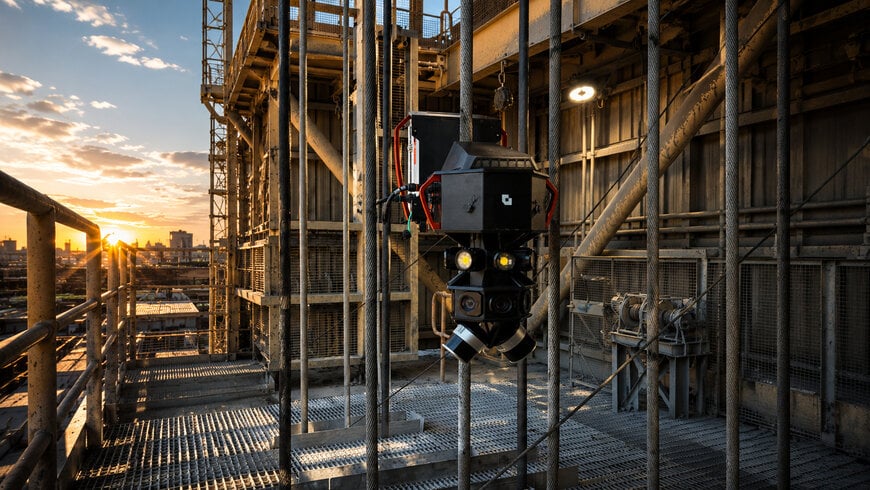
ABB and Point Laz have entered a strategic cooperation agreement to integrate 3D mine shaft scanning technology into digital hoisting systems used in underground mining. The collaboration focuses on improving mine shaft inspection processes through automated data collection, remote visualization, and predictive maintenance capabilities within industrial automation environments.
Applications and Operational Context
The cooperation targets underground mining operations where mine hoists are used to transport personnel, equipment, and extracted material through vertical shafts. Regular shaft inspections are required to maintain operational safety and comply with mining regulations, but many inspections still rely on manual visual checks and manual data interpretation.
The integrated solution is intended to support safer inspection workflows, reduce shaft downtime, and improve maintenance planning through continuous digital monitoring. Use cases include structural shaft condition analysis, detection of shaft degradation, and early identification of maintenance requirements.
Technical Cooperation and Roles
ABB, headquartered in Zurich, Switzerland, will integrate Point Laz’s Lazaruss 3D scanning technology into the ABB Ability Smart Hoisting 4.0 platform. ABB provides the hoisting systems, automation infrastructure, and digital service architecture, while Point Laz contributes shaft monitoring and laser scanning technology.
The ABB Ability Smart Hoisting suite is a scalable digital infrastructure platform designed for mine hoist optimization, reliability monitoring, and operational support. Under the cooperation agreement, the Lazaruss scanner is planned to function either as a standalone inspection service or as part of ABB Care service agreements.
Point Laz’s Lazaruss system generates a digital representation of mine shafts through remote 3D laser scanning. The system enables shaft inspections without requiring inspectors to enter hazardous environments. The technology also supports repeated scans over time, allowing operators to compare shaft conditions and identify progressive structural changes.
Implementation and Integration
The integrated system is intended to be deployed within existing mine hoisting infrastructure used by underground mining operators. The scanning technology will be connected to ABB’s digital hoisting platform to support automated inspection workflows and centralized operational analysis.
The system architecture combines remote sensing, digital visualization, and data-driven maintenance analysis. Regular shaft scans provide inspection data that can be analyzed to identify irregularities or degradation patterns before operational issues escalate.
According to ABB and Point Laz, the cooperation is designed to reduce dependence on manual inspection procedures while supporting standardized inspection practices aligned with international mining safety benchmarks.
Technical Impact
Manual shaft inspections can expose inspectors to hazardous environments and may limit the consistency of collected inspection data. By combining 3D scanning with digital infrastructure and predictive maintenance tools, the integrated solution is intended to improve inspection repeatability and support earlier intervention during shaft deterioration processes.
“We have made it our mission to drive performance standards and improve safety within the mining industry,” said Alexandre Grenier, CEO, Point Laz.
“With the addition of the Lazaruss 3D scanner to our portfolio, we will be able to offer a new, innovative way for mining customers to continuously and proactively identify shaft issues,” said John Manuell, Global Business Unit Manager for Hoisting at ABB.
Edited by Sucithra Mani, Induportals editor – adapted by AI.
www.abb.com
Powered by
Induportals Media Publishing