10 Reasons Tungsten Carbide Machining Is Becoming Essential for High Wear Construction Applications
Construction operations are under pressure to do more with less. Equipment runs longer, schedules stay tight, and maintenance teams are expected to prevent downtime without overspending. When a component fails too soon, the cost goes well beyond the replacement itself. Labor time increases, output slows, and nearby parts often take on extra stress. That is […] The post 10 Reasons Tungsten Carbide Machining Is Becoming Essential for High Wear Construction Applications appeared first on World Construction Today.
 machineryasia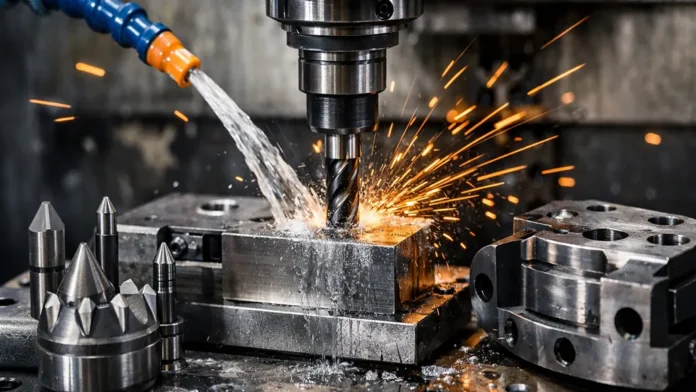
Construction operations are under pressure to do more with less. Equipment runs longer, schedules stay tight, and maintenance teams are expected to prevent downtime without overspending.
When a component fails too soon, the cost goes well beyond the replacement itself. Labor time increases, output slows, and nearby parts often take on extra stress. That is why more industrial buyers are paying closer attention to materials and finishing methods that support longer service life and better consistency.
For operations dealing with abrasion, repeated contact, tight tolerances, or demanding production cycles, carbide has become a practical option. Here are ten reasons it continues to gain ground.
1. Tungsten carbide machining solves problems that standard methods cannot
Some materials are easy to shape but wear out too fast. Carbide is different. It offers strong wear resistance, but it also requires specialized methods such as diamond grinding and EDM to reach the right final form.
That is why tungsten carbide machining matters in real applications. The process is not just about making a hard part. It is about producing a part that fits correctly, performs consistently, and holds up under pressure.
2. Longer wear life improves the real cost picture
A cheaper part is not always the more affordable part. In many operations, the better question is how long a component lasts before it needs replacement. When a wear part stays in service longer, the operation benefits in several ways:
- fewer shutdowns for replacement
- less reactive maintenance
- more predictable spare inventory
- lower labor costs tied to repeated service
That kind of improvement can change the economics of an entire line.
3. Precision matters more as systems become more demanding
As industrial systems become more automated and more tightly controlled, tolerance issues create bigger problems than they once did. A part that is slightly off can affect alignment, wear patterns, product consistency, and service intervals.
This is where tungsten carbide machining earns its value. Precision finishing allows a wear part to do more than survive abrasion. It helps the full system operate the way it was intended to.
4. Better wear parts reduce waste in more than one way
Waste is not only about scrap material. It also shows up in downtime, rework, poor fit, inconsistent performance, and premature replacement. When a wear component starts failing early, the waste spreads into other parts of the business. A stronger wear strategy helps reduce:
- material loss from unstable performance
- service interruptions
- extra labor hours
- rework caused by inconsistent output
- avoidable replacement cycles
That is one reason buyers now treat wear parts as strategic components rather than routine line items.
5. Geometry matters just as much as hardness
It is easy to assume that selecting carbide is enough. In reality, geometry often determines whether the part performs well in service. Complex profiles, tight edges, internal features, and special shapes all require careful process selection.
Diamond grinding works well for many flat and cylindrical components. EDM is especially useful when a design includes intricate internal shapes or detailed profiles. The machining method has to match the part, not just the material.
6. Better specification makes planning easier
A good wear part does more than last longer. It also makes planning easier for the people responsible for sourcing, maintenance, and production.
When a supplier can work from drawings, understand application requirements, and repeat finished parts consistently, the process becomes more stable. That helps with:
- replacement part standardization
- maintenance scheduling
- new product development
- line improvement projects
In practical terms, that means fewer surprises during procurement and service.
7. Carbide grade selection affects performance more than many buyers expect
Not all carbide performs the same way. Different grades are designed for different balances of hardness, toughness, impact resistance, and wear behavior. One component may deal mostly with abrasion. Another may face a mix of abrasion and shock. A part that performs well in one setting may fail too quickly in another if the grade is not right.
The strongest results usually come from looking at grade selection and machining as one combined decision.
8. Consistency builds trust across the operation
When wear parts perform the same way every time, confidence improves across the business. Maintenance teams can trust replacement intervals. Purchasing sees fewer complaints. Production spends less time troubleshooting preventable wear issues.That trust often comes from a few simple things done well:
- repeatable tolerances
- clear specifications
- reliable communication
- process consistency
- application aware material choices
These are not flashy advantages, but they matter in day to day operations.
9. Construction related manufacturing is moving toward smarter material choices
Construction supply chains are under more pressure to justify cost, performance, and reliability. That has pushed many manufacturers to think more carefully about the role of high performance materials in wear intensive applications.
Carbide fits that shift because it supports a more disciplined approach to service life and system stability. Buyers are not just asking whether a part can be made. They are asking whether it can hold tolerance, reduce maintenance, and improve uptime.
10. It supports a more practical definition of performance
In the end, performance is not just about hardness or technical specifications on paper. It is about how well a part supports daily operations over time. A properly machined carbide component helps reduce friction in both the literal and operational sense.
It can extend service life, reduce avoidable waste, and help demanding systems stay stable under pressure. That is why more industrial buyers are paying attention to tungsten carbide machining as part of a smarter wear strategy.
For construction related manufacturing, the value is straightforward. Better wear parts do not just improve one component. They help support a more reliable operation overall.
The post 10 Reasons Tungsten Carbide Machining Is Becoming Essential for High Wear Construction Applications appeared first on World Construction Today.