Volvo develops remanufacturing for construction components
Remanufactured components restore performance while reducing material use, downtime and lifecycle costs in construction equipment. www.volvoce.com Volvo Construction Equipment applies remanufacturing processes to restore used machine components to original specifications, enabling continued operation of construction equipment while reducing resource consumption and downtime. Remanufacturing is positioned as an alternative to replacement, particularly in applications where equipment availability and cost control are critical operational factors. Remanufacturing process and technical standards Remanufacturing involves complete disassembly of used components, followed by cleaning, inspection, and replacement of worn or degraded elements. Components are then reassembled using updated parts where applicable and tested against original equipment specifications. This process differs from standard repair by restoring the full functional performance of the component rather than addressing isolated defects. Testing procedures ensure that remanufactured units meet the same operational and durability requirements as new components. Operational impact in construction environments In construction operations, unplanned downtime affects project timelines, equipment utilization, and site safety. Component failure can interrupt workflows and delay critical tasks. Remanufactured components are typically stocked and available for immediate exchange, reducing lead times compared to sourcing new parts. This supports faster return-to-service and minimizes idle equipment time. Fixed pricing structures associated with remanufactured parts also contribute to predictable maintenance costs, allowing operators to manage budgets more effectively. Resource efficiency and emission reduction The remanufacturing process reduces the need for raw material extraction by reusing core component structures. According to process benchmarks, up to 85 percent of original material can be retained, depending on component type. This reduction in material input corresponds to lower energy consumption and decreased carbon dioxide emissions compared to manufacturing new components from primary materials. Lifecycle extension and system performance By restoring components to original specifications and incorporating updated technical improvements, remanufacturing extends the operational life of equipment systems. This supports long-term asset utilization without compromising performance. The approach also contributes to circular material flows within the construction equipment sector, where components remain in use across multiple lifecycle phases. Application in maintenance strategies Remanufactured components are used in planned maintenance and corrective repair scenarios, particularly for engines, transmissions, and hydraulic systems. Their availability and performance characteristics make them suitable for integration into standard service workflows. Through remanufacturing, Volvo Construction Equipment provides a method to balance equipment reliability, cost efficiency, and resource management within construction operations. Edited by Natania Lyngdoh, Induportals Editor — Adapted by AI. www.volvoce.com Powered by Induportals Media Publishing
 machineryasia
Remanufactured components restore performance while reducing material use, downtime and lifecycle costs in construction equipment.
www.volvoce.com
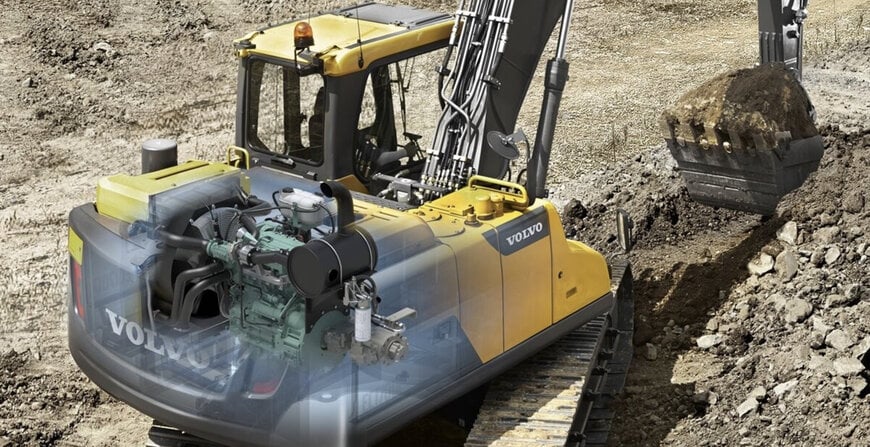
Volvo Construction Equipment applies remanufacturing processes to restore used machine components to original specifications, enabling continued operation of construction equipment while reducing resource consumption and downtime.
Remanufacturing is positioned as an alternative to replacement, particularly in applications where equipment availability and cost control are critical operational factors.
Remanufacturing process and technical standards
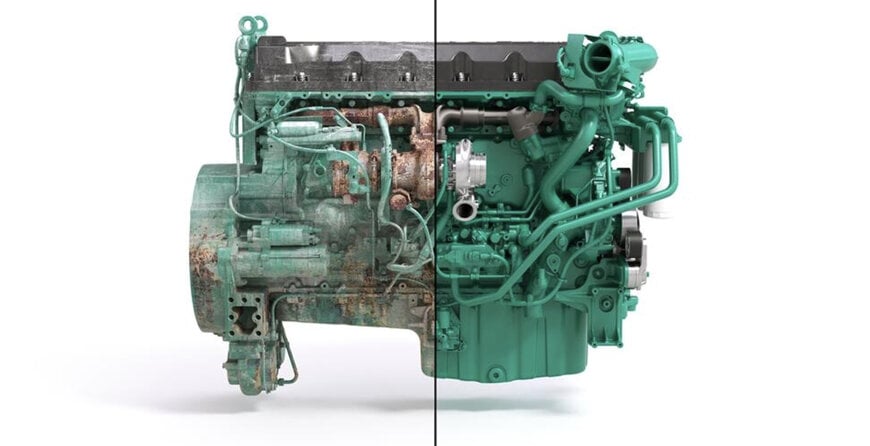
Remanufacturing involves complete disassembly of used components, followed by cleaning, inspection, and replacement of worn or degraded elements. Components are then reassembled using updated parts where applicable and tested against original equipment specifications.
This process differs from standard repair by restoring the full functional performance of the component rather than addressing isolated defects. Testing procedures ensure that remanufactured units meet the same operational and durability requirements as new components.
Operational impact in construction environments
In construction operations, unplanned downtime affects project timelines, equipment utilization, and site safety. Component failure can interrupt workflows and delay critical tasks.
Remanufactured components are typically stocked and available for immediate exchange, reducing lead times compared to sourcing new parts. This supports faster return-to-service and minimizes idle equipment time.
Fixed pricing structures associated with remanufactured parts also contribute to predictable maintenance costs, allowing operators to manage budgets more effectively.
Resource efficiency and emission reduction
The remanufacturing process reduces the need for raw material extraction by reusing core component structures. According to process benchmarks, up to 85 percent of original material can be retained, depending on component type.
This reduction in material input corresponds to lower energy consumption and decreased carbon dioxide emissions compared to manufacturing new components from primary materials.
Lifecycle extension and system performance
By restoring components to original specifications and incorporating updated technical improvements, remanufacturing extends the operational life of equipment systems. This supports long-term asset utilization without compromising performance.
The approach also contributes to circular material flows within the construction equipment sector, where components remain in use across multiple lifecycle phases.
Application in maintenance strategies
Remanufactured components are used in planned maintenance and corrective repair scenarios, particularly for engines, transmissions, and hydraulic systems. Their availability and performance characteristics make them suitable for integration into standard service workflows.
Through remanufacturing, Volvo Construction Equipment provides a method to balance equipment reliability, cost efficiency, and resource management within construction operations.
Edited by Natania Lyngdoh, Induportals Editor — Adapted by AI.
www.volvoce.com
Powered by
Induportals Media Publishing