Volvo CE deploys electric wheel loader in UK
Battery-electric L120 replaces diesel unit in aggregates handling, supporting quarry electrification and reducing on-site emissions at Heidelberg Materials UK. www.volvoce.com In quarrying, aggregates processing and heavy material handling, replacing diesel-powered equipment with electric alternatives is becoming a practical pathway toward construction decarbonization. Volvo Construction Equipment has introduced its L120 Electric wheel loader to the UK market, where it is now operating at Heidelberg Materials UK’s aggregates bagging facility in Nuneaton. The deployment marks the first use of this battery-electric loader in the country and Heidelberg Materials UK’s first fully electric heavy construction machine. Application in aggregates production The L120 Electric is used for internal material handling, transporting sand, aggregates and cement within the production process. The machine completes a typical 7.5-hour shift on a single charge while retaining approximately 30% battery capacity, indicating operational headroom for varying duty cycles. Charging is managed through a dual approach: an overnight AC charger for routine replenishment and a 150 kW DC fast charger enabling a 1.5-hour opportunity charge during the working day. This configuration supports continuous operation during higher-intensity workloads and demonstrates how electric wheel loaders can be integrated into existing production schedules. Electrification as part of net-zero strategy Heidelberg Materials has committed to achieving net zero greenhouse gas emissions across its value chain by 2050. Land-based transport accounts for approximately 6% of the company’s Northern Europe carbon footprint. Fleet electrification in the region could reduce emissions by up to 200,000 tonnes annually, depending on deployment scale. Replacing a diesel wheel loader with a zero-emission alternative directly reduces on-site exhaust emissions and lowers noise levels—factors that are increasingly relevant in urban-adjacent quarry and processing sites. According to Darren Fitch, Head of Strategic Accounts at Volvo CE, the collaboration focuses on delivering low-carbon technologies at competitive total cost of ownership levels while maintaining productivity and uptime. This reflects a broader industry requirement: electrification must align with operational efficiency and cost control, not only sustainability targets. Infrastructure and operational readiness A key technical consideration in heavy equipment electrification is charging infrastructure. SMT Great Britain, Volvo CE’s UK dealer, coordinated site assessments, charger installation and operator training to ensure operational continuity. Before the installation of the 150 kW fast charger, an interim overnight charging solution was implemented to enable early machine deployment and operator familiarization. This phased approach illustrates the importance of early supply-chain coordination when introducing electric construction machinery. Operator training also addressed battery management strategies, including monitoring state of charge and optimizing opportunity charging to balance performance and battery longevity. Stepwise transition in quarry operations While Heidelberg Materials UK has already adopted electric forklifts and smaller tools, the L120 Electric represents its first full-scale electric construction machine. The initial application—internal movement of sand and aggregates—was selected as a controlled entry point for electrification before expanding to more demanding quarry tasks. The project builds on previous collaboration between Heidelberg Materials UK, Volvo CE and SMT GB, including the refurbishment of a 14-year-old Volvo L350 wheel loader. Extending equipment life reduced embedded carbon emissions associated with manufacturing new machinery and formed part of a broader circular economy strategy preceding electrification. Electric wheel loaders in quarry environments The UK deployment demonstrates that battery-electric wheel loaders can meet the operational requirements of aggregates handling when supported by appropriate charging infrastructure and duty-cycle planning. For quarry and construction operators evaluating fleet decarbonization, the project provides a practical example of how electric heavy equipment can be integrated without compromising productivity. By combining machine performance data, infrastructure planning and operator training, the initiative offers a structured model for scaling electrification in heavy-duty material handling environments. www.volvoce.com Powered by Induportals Media Publishing
 machineryasia
Battery-electric L120 replaces diesel unit in aggregates handling, supporting quarry electrification and reducing on-site emissions at Heidelberg Materials UK.
www.volvoce.com
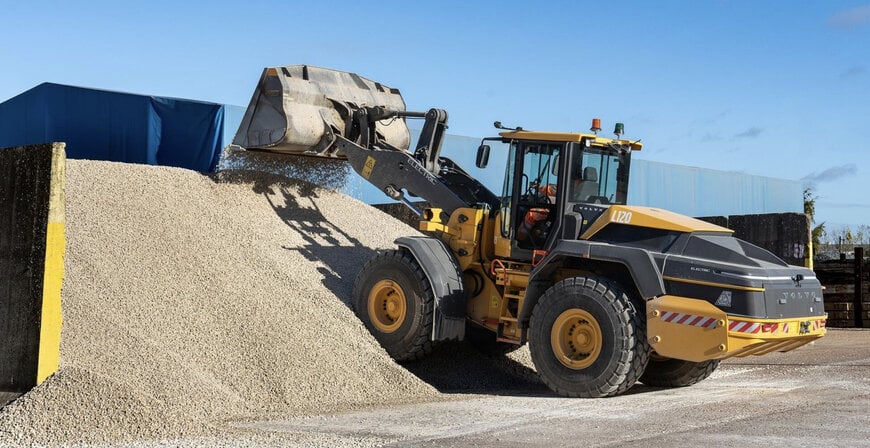
In quarrying, aggregates processing and heavy material handling, replacing diesel-powered equipment with electric alternatives is becoming a practical pathway toward construction decarbonization. Volvo Construction Equipment has introduced its L120 Electric wheel loader to the UK market, where it is now operating at Heidelberg Materials UK’s aggregates bagging facility in Nuneaton. The deployment marks the first use of this battery-electric loader in the country and Heidelberg Materials UK’s first fully electric heavy construction machine.
Application in aggregates production
The L120 Electric is used for internal material handling, transporting sand, aggregates and cement within the production process. The machine completes a typical 7.5-hour shift on a single charge while retaining approximately 30% battery capacity, indicating operational headroom for varying duty cycles.
Charging is managed through a dual approach: an overnight AC charger for routine replenishment and a 150 kW DC fast charger enabling a 1.5-hour opportunity charge during the working day. This configuration supports continuous operation during higher-intensity workloads and demonstrates how electric wheel loaders can be integrated into existing production schedules.
Electrification as part of net-zero strategy
Heidelberg Materials has committed to achieving net zero greenhouse gas emissions across its value chain by 2050. Land-based transport accounts for approximately 6% of the company’s Northern Europe carbon footprint. Fleet electrification in the region could reduce emissions by up to 200,000 tonnes annually, depending on deployment scale.
Replacing a diesel wheel loader with a zero-emission alternative directly reduces on-site exhaust emissions and lowers noise levels—factors that are increasingly relevant in urban-adjacent quarry and processing sites.
According to Darren Fitch, Head of Strategic Accounts at Volvo CE, the collaboration focuses on delivering low-carbon technologies at competitive total cost of ownership levels while maintaining productivity and uptime. This reflects a broader industry requirement: electrification must align with operational efficiency and cost control, not only sustainability targets.
Infrastructure and operational readiness
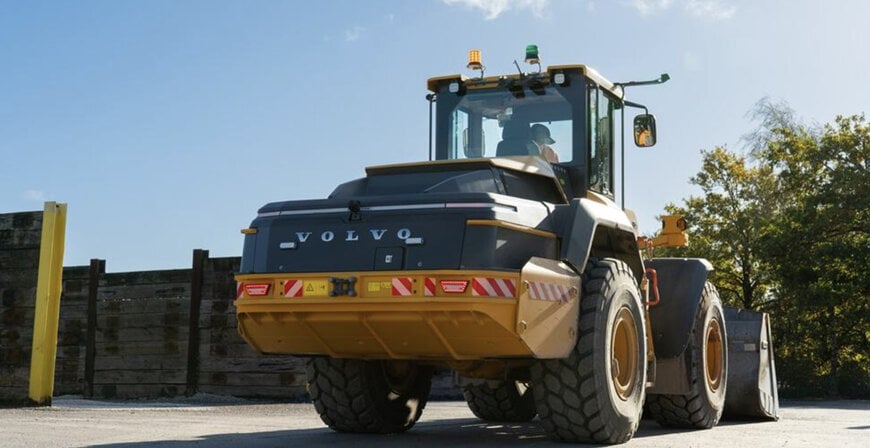
A key technical consideration in heavy equipment electrification is charging infrastructure. SMT Great Britain, Volvo CE’s UK dealer, coordinated site assessments, charger installation and operator training to ensure operational continuity.
Before the installation of the 150 kW fast charger, an interim overnight charging solution was implemented to enable early machine deployment and operator familiarization. This phased approach illustrates the importance of early supply-chain coordination when introducing electric construction machinery.
Operator training also addressed battery management strategies, including monitoring state of charge and optimizing opportunity charging to balance performance and battery longevity.
Stepwise transition in quarry operations
While Heidelberg Materials UK has already adopted electric forklifts and smaller tools, the L120 Electric represents its first full-scale electric construction machine. The initial application—internal movement of sand and aggregates—was selected as a controlled entry point for electrification before expanding to more demanding quarry tasks.
The project builds on previous collaboration between Heidelberg Materials UK, Volvo CE and SMT GB, including the refurbishment of a 14-year-old Volvo L350 wheel loader. Extending equipment life reduced embedded carbon emissions associated with manufacturing new machinery and formed part of a broader circular economy strategy preceding electrification.
Electric wheel loaders in quarry environments
The UK deployment demonstrates that battery-electric wheel loaders can meet the operational requirements of aggregates handling when supported by appropriate charging infrastructure and duty-cycle planning. For quarry and construction operators evaluating fleet decarbonization, the project provides a practical example of how electric heavy equipment can be integrated without compromising productivity.
By combining machine performance data, infrastructure planning and operator training, the initiative offers a structured model for scaling electrification in heavy-duty material handling environments.
www.volvoce.com
Powered by
Induportals Media Publishing