Torani: A Flavorful Factory Tour
The longtime Bay Area manufacturer of flavored syrups is poised for growth.
 machineryasia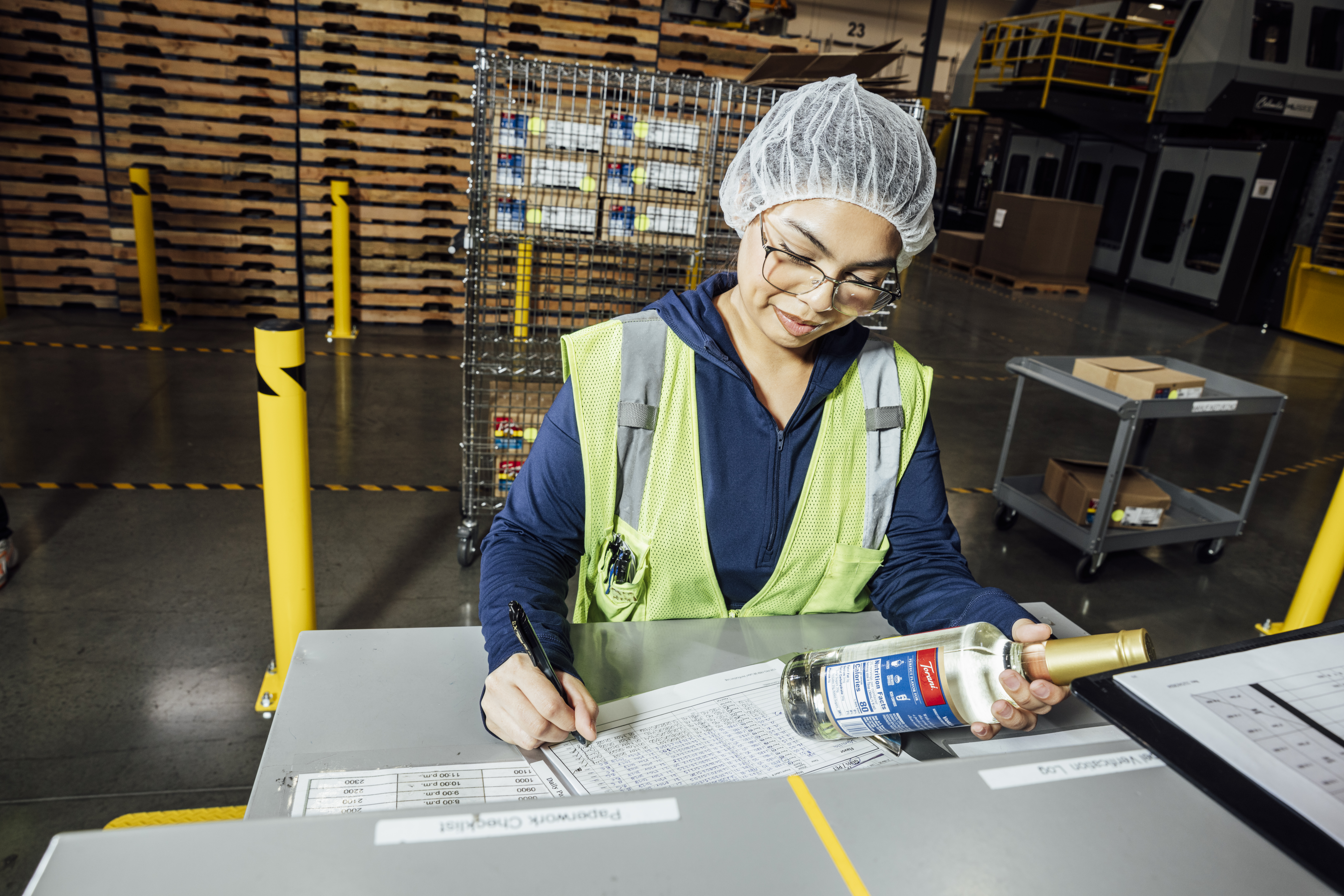
The longtime Bay Area manufacturer of flavored syrups is poised for growth.
My colleague Scott Boos and I were recently on a business trip in Northern California, and we thankfully carved out some time for an amazing factory tour of Torani, the century-old maker of flavored syrups founded in San Francisco and firmly rooted in the Bay Area.
I had been looking forward to this tour since my Manufacturing Report podcast interview with Torani CEO Melanie Dulbecco last year. Torani is a B Corporation, which is a for-profit company certified to meet high standards of social and environmental performance, accountability and transparency.
If you’ve ever ventured into a coffee shop the chances are very good you’ve encountered Torani before. The company in many ways is behind the immense popularity of the vanilla and other flavored lattes.
When we were greeted in the Torani lobby, Scott and I were offered the drinks of our choice. Torani has more than 250 flavors so the possibilities are virtually endless. I opted for a mango and passionfruit sparkling soda. Delicious!
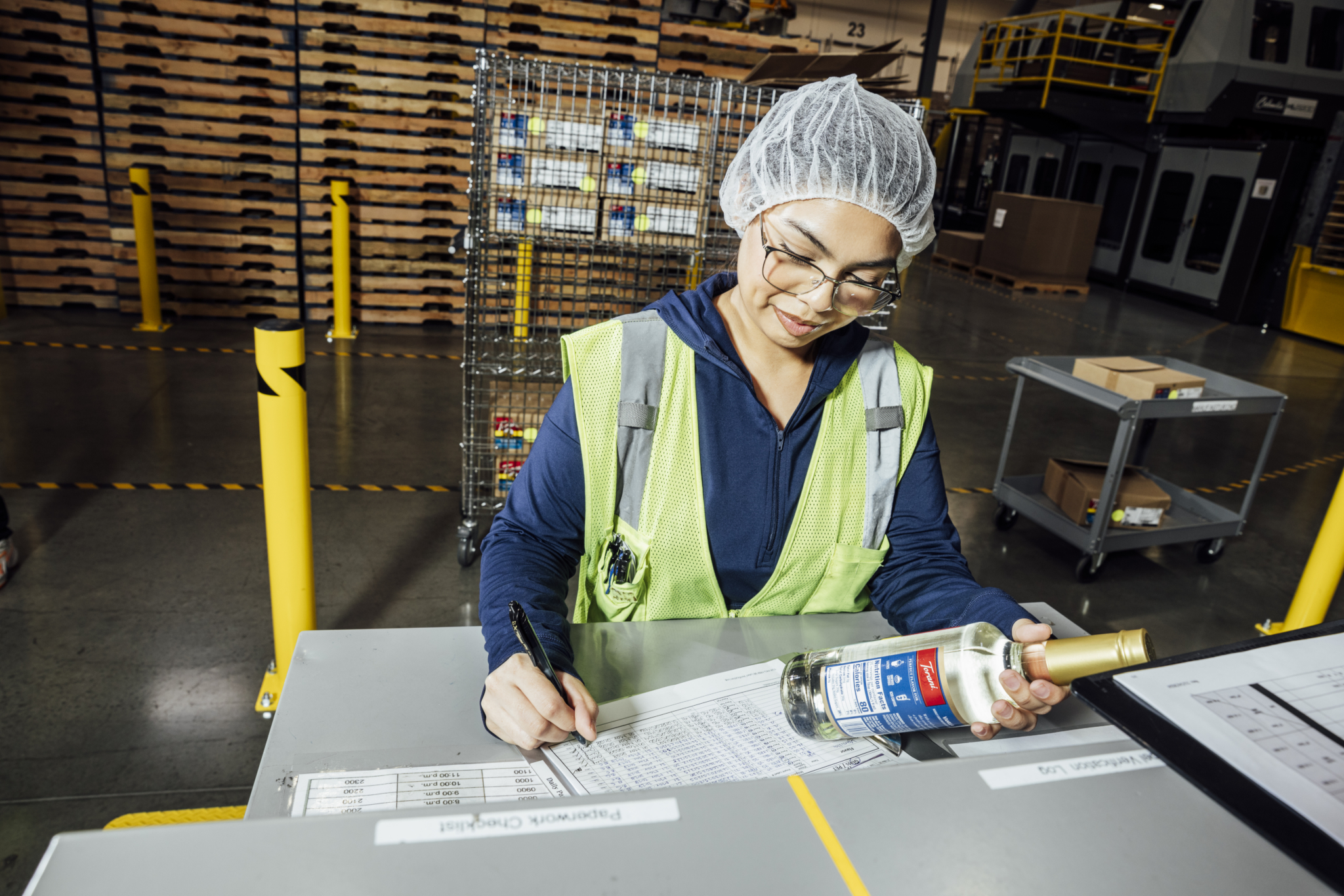
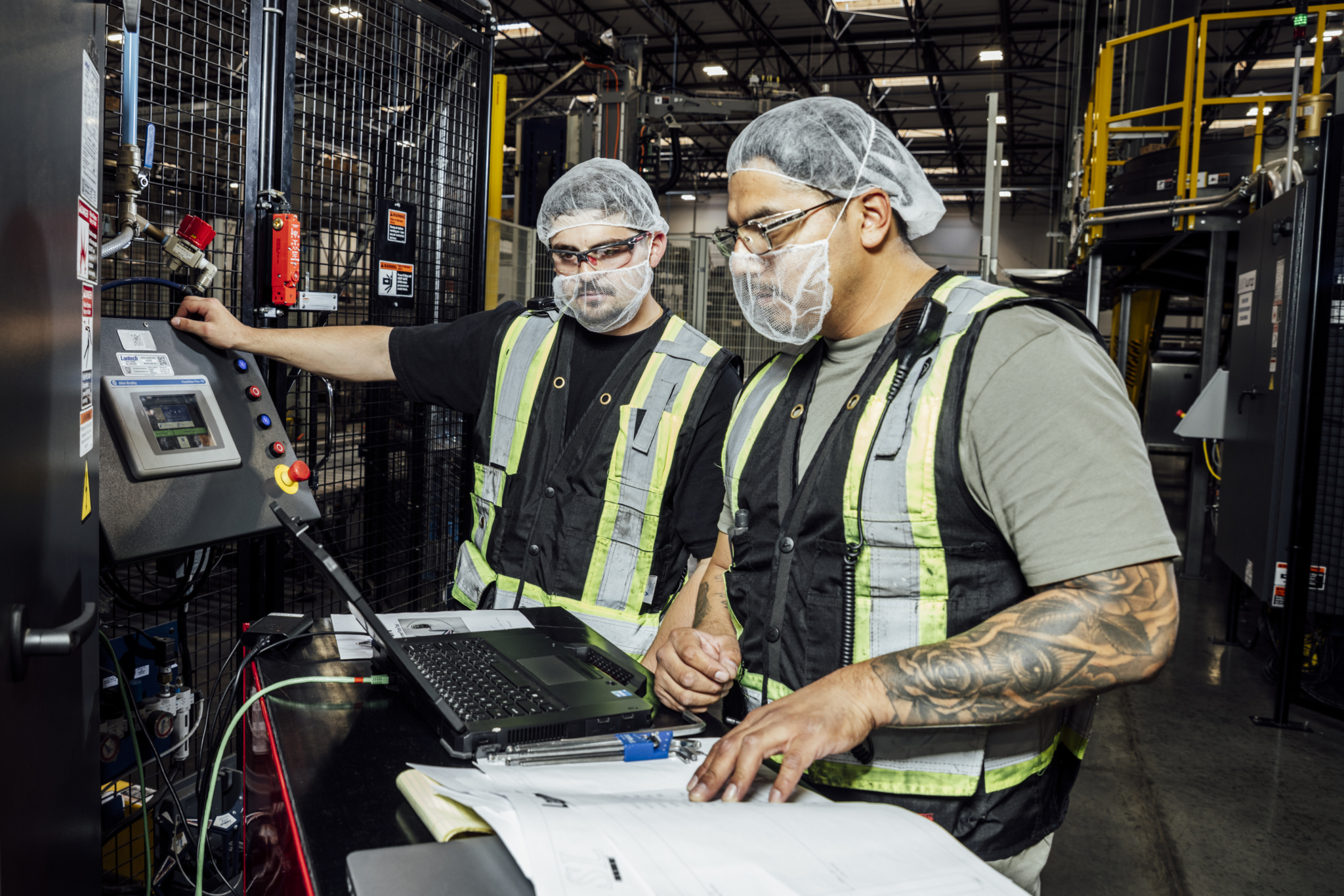
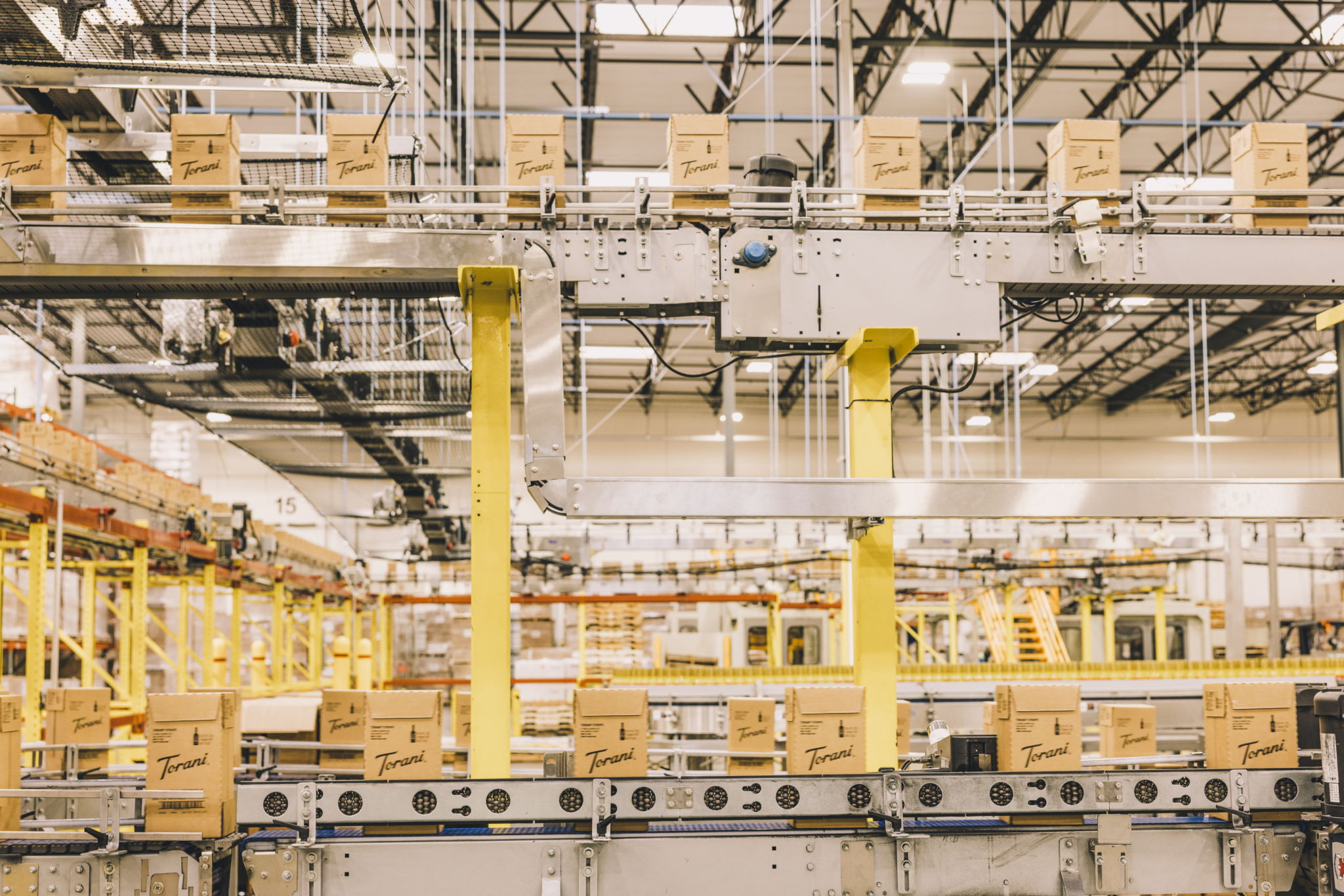
Dean Veurink and Tricia Johnson of Torani were our gracious hosts and made the morning simply delightful, and our factory tour by manufacturing lead Alex Reyes was illuminating and inspiring. We saw lots of Made in USA materials and machines along the way, including massive Feldmeier stainless steel tanks. We met skilled workers and saw an array of impressive, automated equipment. Torani plans to add more of both over the next few years as it continues to grow, confirming my point of view that automation won’t necessarily destroy factory jobs if output, demand, market share, skill-building and new product development are headed up.
Veurink was kind enough to update me on Torani’s vision and plans. The interview has been lightly edited for length and clarity.
Q: What’s driving the planned increase in headcount for 2026?
We’re projecting about a 29% increase, which is significant — especially considering we grew by around 25% in 2025. When I started here we had about 105 employees, and now we’re adding roughly that many each year. The growth is about keeping pace with demand across all business functions as we work toward our goal of reaching $1 billion in revenue by 2030.
On the manufacturing side, capacity is the biggest driver. We’re building a new sauce plant, which will require a substantial number of new team members. Some employees from our syrup lines will move into new roles there, which helps them grow their skills and compensation. But those shifts also create backfill needs, so we’ll be hiring both for the sauce plant and for syrup. We’re also planning another syrup line in 2027 and staffing for that will begin soon. Growth brings the need for capacity, and that in turn brings opportunity — not only in manufacturing but in marketing, finance, the people team and other functions.
Q: On the factory tour I noticed a lot of automation, but I also saw a lot of people. There’s often a belief that robots will take over manufacturing, especially in food and consumer goods. But that’s not what I saw.
Our philosophy is “automate and elevate.” Automation helps us increase capacity and efficiency, but it also allows employees to move into more value‑added work. For example, one of our syrup line team members, Tatiana Flores, used to manually feed labels into a machine all day. With our new automated sleever, she only needs to do that once per shift. That frees her up to build skills, take on new responsibilities and grow her compensation. Automation isn’t about replacing people; it’s about creating opportunities for them.
Q: Retention is a major challenge for employers across sectors — retail, healthcare, manufacturing. Your production work requires people to show up in person on a shift schedule, yet your retention rates are still very high. Why is that?
Culture plays a big role, but I think our “shared success” model is even more important. Everyone in the company participates in our ESOP (employee stock ownership plan), profit‑sharing and 401(k). We’re deeply invested in employee development through programs like skill‑block training, which give people agency to build skills and increase their compensation over time.
If you’re looking for a strong manufacturing career with real opportunities to grow and build wealth, this is a great place to do it. There’s often a lot of focus on base compensation, but the bigger societal issue is wealth inequality. Our structure gives everyone, from brand managers to warehouse drivers, the chance to accumulate meaningful wealth.
Since launching the ESOP, we contribute a minimum of 5% of salary annually. If you stay for 25 years, that’s roughly $1 million in retirement value. Longevity here is financially rewarding and, culturally, people have room to grow, evolve and reinvent their careers. That’s a big reason people stay.
Q: How does Torani stay relevant as tastes and consumer preferences constantly evolve?
We always must be looking at what’s next, whether that’s our business model, our market approach or emerging consumer behavior. We invest heavily in understanding our consumers, especially Gen Z consumers who will define the future of flavored beverages.
We study their motivations, how they use flavor and the occasions where flavor matters in their lives. Over the past decade, preferences have shifted, from flavored lattes to flavored energy drinks to cold beverages more broadly. Our insights team tracks these trends closely so we can “fast follow” emerging movements and ensure our products meet evolving needs. Fortunately, many current beverage trends align well with what we already do, so we’re positioned to ride those waves.
Q: Torani was founded in San Francisco. How important is the Bay Area to the company’s identity?
It’s very important. It’s the root of our innovation, our food philosophy and our culture. Many people don’t realize we’re from the Bay Area; some even assume we’re Italian because of the name. But we’re a fiercely independent American company with deep Bay Area roots.
We also want to have a positive impact on this community. Much of our purpose‑driven work is focused on establishing Torani as an opportunity‑creating company in the Bay Area. This region is often seen as driven by tech, but we want to highlight that great makers — of food and beverages — are here too. There should be good jobs for everyone, not just in tech, and we want to be part of that conversation.
The Alliance for American Manufacturing does not receive a commission from purchases made through the above links, nor was the organization or author paid for favorable coverage.
Labeling Note: This story is intended to highlight companies that support American jobs and that make great products in the United States. We rely on the companies listed to provide accurate information regarding their domestic operations and their products. Each company featured is individually responsible for labeling and advertising their products according to applicable standards, such as the Federal Trade Commission’s “Made in USA” standard or California’s “Made in USA” labeling law. We do not review individual products for compliance or claim that because a company is listed in the guide that their products comply with specific labeling or advertising standards. Our focus is on supporting companies that create American jobs.
For more on the Federal Trade Commission’s standards for “Made in USA” claims and California’s “Made in USA” labeling law, please also read this guest post by Dustin Painter and Kristi Wolff of Kelly Drye & Warren, LLP.