Tool theft rises 16% as construction firms rethink where they store equipment
For many contractors, having tools stolen has become an unfortunate part of the job. But recent figures suggest the problem is getting worse. Tool theft has risen by 16% compared with 2024, while more than 80% of UK tradespeople say they’ve had tools stolen at some point during their careers (The Guardian). Previous research from […] The post Tool theft rises 16% as construction firms rethink where they store equipment appeared first on World Construction Today.
 machineryasia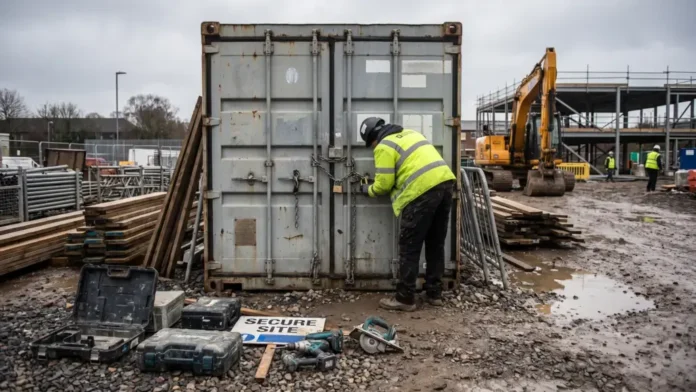
For many contractors, having tools stolen has become an unfortunate part of the job. But recent figures suggest the problem is getting worse.
Tool theft has risen by 16% compared with 2024, while more than 80% of UK tradespeople say they’ve had tools stolen at some point during their careers (The Guardian). Previous research from Direct Line Business Insurance also found that a tool is reported stolen every 12 minutes, with the cost of theft running into tens of millions of pounds every year.
The immediate cost is easy to understand. Replacing specialist tools isn’t cheap. What often gets overlooked is everything that comes afterwards.
Projects are delayed while replacement equipment is sourced. Teams lose valuable working hours. Jobs have to be rearranged. Insurance claims are submitted. In some cases, contractors can lose work altogether if they can’t get back on site quickly enough.
As a result, more businesses are starting to look beyond alarms, trackers and better locks. Instead, they’re asking whether expensive equipment should be left on site or in vans overnight at all.
Contractors are changing how they think about storage
For years, leaving tools in site cabins, storage containers or work vehicles was just part of everyday construction.
That made sense when projects were smaller and equipment could stay close to where it was needed. But construction has changed. Projects are often spread across multiple sites, supply chains are more complicated and expensive specialist equipment is moving between locations far more frequently than it once did.
At the same time, organised tool theft has become more sophisticated.
The result is that many contractors are moving equipment off site altogether, storing it securely until it’s needed rather than leaving it unattended overnight.
For bigger businesses, that often means using commercial warehousing where equipment, materials and project stock can be securely stored, managed through inventory systems and delivered to site as work progresses.
As contractors figure out whether to bring storage in-house or outsource it, understanding the true cost of commercial warehousing has become increasingly important. Factors like inventory management, handling, security and distribution all influence overall costs, not just the amount of space.
It’s about more than preventing theft
While security is often the reason businesses first consider off-site storage, many quickly discover other benefits.
Keeping tools and materials organised in one place makes it easier to track inventory, avoid duplicate purchases and make sure equipment is available when project teams need it.
It can also reduce the amount of equipment sitting idle on construction sites, helping to free up valuable space while making deliveries easier to coordinate.
With contractors continuing to face pressure from rising labour costs, tighter project schedules and material price volatility, those efficiencies are becoming increasingly valuable.
According to Direct Line Business Insurance, tool theft also leads to an estimated £82 million in lost work each year as cancelled jobs, project delays and downtime add to the cost of replacing stolen equipment.
In many cases, the disruption costs businesses far more than the value of the tools themselves.
A wider shift in construction logistics
The move towards secure off-site storage is a sign of broader change happening across the construction industry.
Rather than treating storage as somewhere to leave equipment between jobs, businesses are beginning to see it as an extension of their company.
A spokesperson for storage company The Box Co. says that’s something they’ve seen develop over the past few years.
“We’re speaking to more contractors who are planning storage into projects from the start rather than using it as a last-minute solution.
“Security is still a big factor, but it’s no longer the only one. Businesses also want to know exactly where their equipment is, keep projects organised and make sure materials arrive on site at the right time. Good storage can help with all of those things.”
As projects become bigger and supply chains become more demanding, contractors are looking more closely at every part of the construction process to improve efficiency.
Storage, once viewed as a fairly simple operational decision, is increasingly becoming part of that conversation.
Looking beyond the lock on the van
Tool theft isn’t a problem the construction industry is likely to solve overnight. But the way businesses are responding is changing.
Rather than focusing solely on making vans or site compounds more secure, many contractors are taking a step back and asking whether expensive equipment needs to be there in the first place.
For some, commercial warehousing offers the visibility and stock management needed to support larger projects. For others, flexible storage provides a practical way to keep valuable tools safe between jobs without committing to permanent warehouse space.
As theft continues to rise, where equipment is stored is becoming just as important as how it’s protected.
The post Tool theft rises 16% as construction firms rethink where they store equipment appeared first on World Construction Today.