Tariffs Stoke Steel Industry Growth, But More to Be Done, Industry and Labor Leaders Testify
America’s steel companies have announced hundreds of millions of dollars in domestic investment, but steel leaders are calling for more trade enforcement through bipartisan legislation.
 machineryasia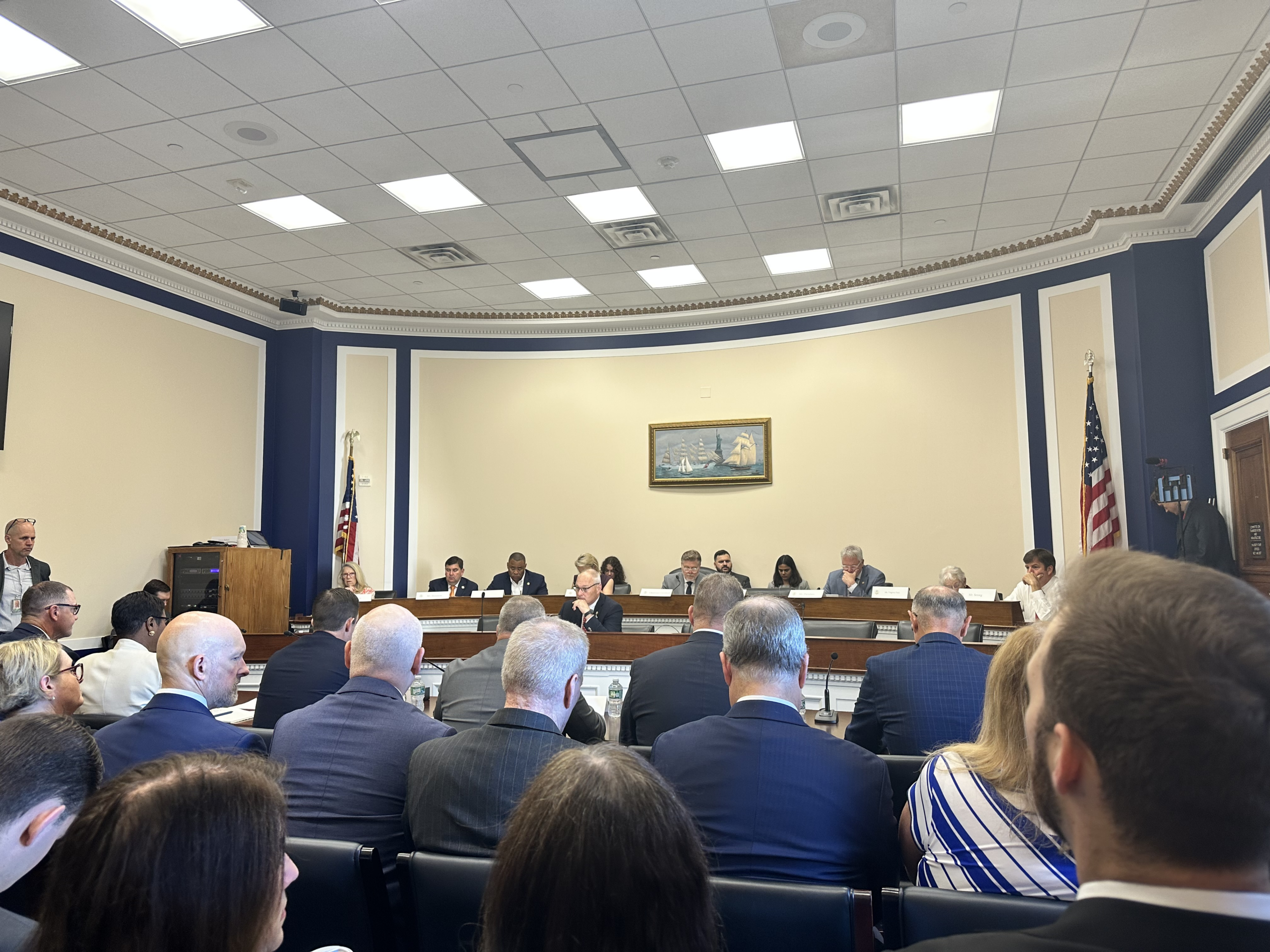
America’s steel companies have announced hundreds of millions of dollars in domestic investment, but steel leaders are calling for more trade enforcement through bipartisan legislation.
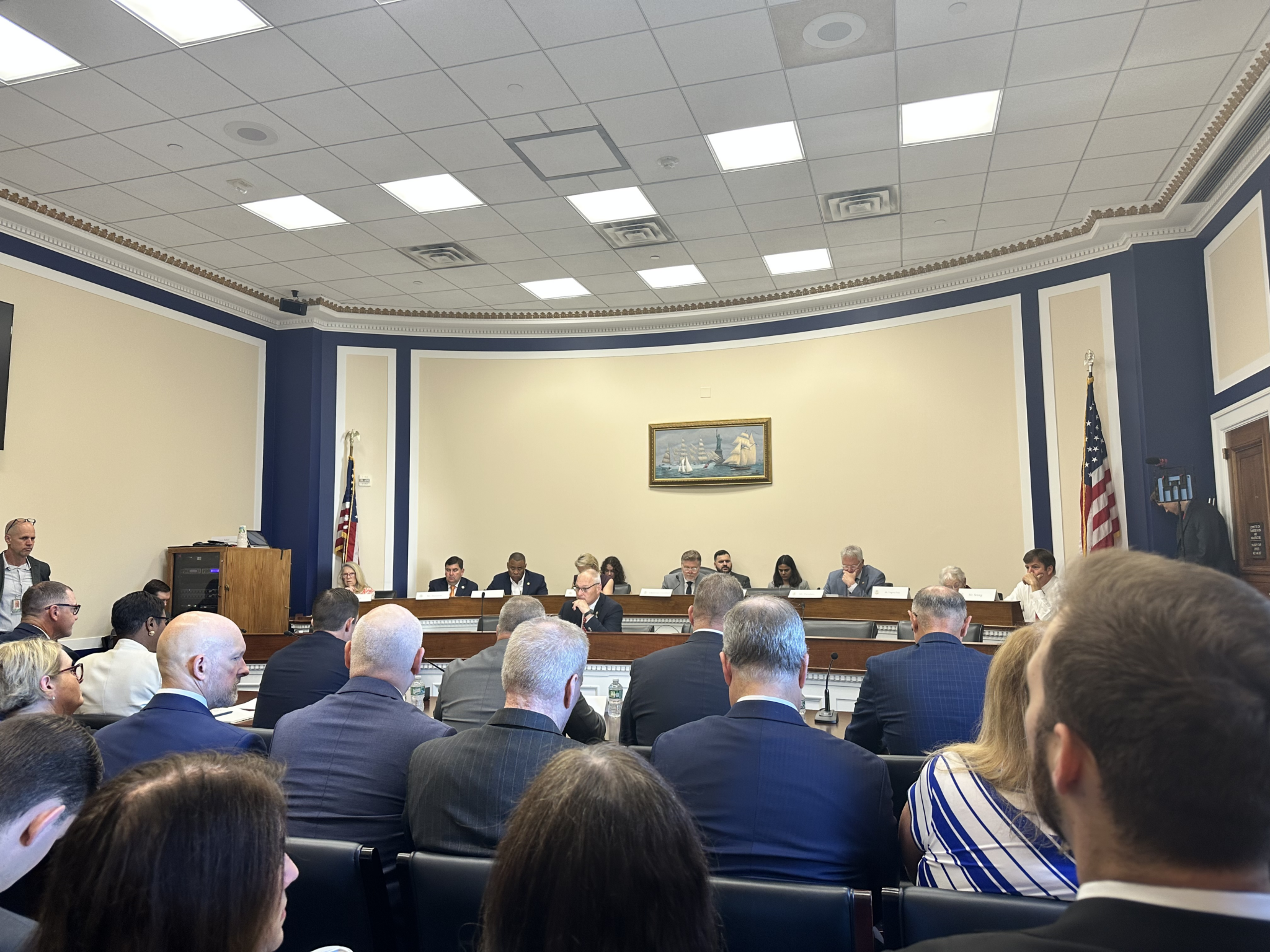
Trump’s tariffs are working — and the steel industry is feeling good, representatives from steel companies and United Steelworkers testified to the Congressional Steel Caucus this Wednesday. The Section 232 tariffs on steel that first went into effect in 2018 under the first Trump administration have put the industry back in the right direction, but it’s not over yet.
“The resurgence of U.S. manufacturing is underway, and it will be supported by a strong and modern American steel industry. We ask that members of the Congressional Steel Caucus continue to vocally support a robust and durable steel Section 232 and steel derivative tariff program,” said Patrick Bloom, executive vice president of government relations for Cleveland-Cliffs. Bloom testified on Wednesday on behalf of the American Iron and Steel Institute.
U. S. Steel is investing approximately $475M in a new Quench & Temper Line at our Fairfield Tubular Operations in Alabama.
— U. S. Steel (@U_S_Steel) June 24, 2026
This investment reflects a continued focus on customers’ growing demand for high-quality, American-made products.Read more on… pic.twitter.com/L6qF58WbQV
U.S. Steel provided strong evidence that the tariffs are indeed working. The company, which is celebrating its 125th anniversary, announced that it’s investing roughly $475 million in the installation of a “state-of-the-art” quench and tempering line and employee training center at its Fairfield plant in Alabama.
Multiple investments over recent years were also highlighted by various industry leaders at the hearing, including (but not limited to) Cleveland-Cliffs’s reopening of “previously underutilized production lines” such as a new steel shop in Cleveland, Ohio, an electrogalvanizing line in Indiana, and increased production at two iron ore mines in Minnesota.
However, pressure from unfair trade persists.
“Investment also means defending our facilities. Our union continues to support 232 on steel, including our trade enforcement laws and improving our trade agreements like [United States Mexico Canada Agreement],” said Roxanne Brown, international president of the United Steelworkers union. “We need to better account for indirect steel trade, too. Last year, the United States imported $25 billion of direct steel imports but imported another $1.4 trillion worth of steel derivatives.”
Other witnesses echoed similar sentiments, praising tariffs and citing critical investments but warning that more must be done. While recent developments in the industry have included several billions of dollars of investments into new plants, facilities and technologies, representatives from the industry and legislators alike voiced their support for the Leveling the Playing Field Act 2.0. If passed, this bipartisan legislation would provide manufacturers with more resources to challenge China’s unfair and destructive trade practices.
On behalf of the Steel Manufacturers Association, Kristopher Westbrooks, president and COO of Metallus testified as well, providing three key priorities for the caucus going forward.
“The Steel Caucus has a strong, bipartisan history of advancing policies that strengthen the American steel industry,” Westbrooks said. “Congress can build on that record by advancing three priorities: First, pass the Leveling the Playing Field 2.0 Act to provide modern tools for combating unfair trade practices and addressing the evolving threats posed by China’s industrial policies.”
Westbrooks then highlighted the need to continue “robust investment” into American infrastructure and defense industries and encouraged enacting “bipartisan permitting reform.”
However, the Leveling the Playing Field 2.0 Act isn’t the only action industry leaders are looking towards to further protect American-made steel.
“Trade partners and America’s adversaries will never stop looking for new ways to circumvent our trade laws and take full advantage of the strongest and most open market in the world,” said Leon Topalian, president and CEO of Nucor. “That is why we see the upcoming review of the USMCA agreement as a real opportunity to maximize demands for North American content while closing loopholes that operate to the detriment of the American industry.”
While recent successes within the U.S. steel industry is reason to celebrate, we can’t let up the fight for American jobs and companies. Congress can and should prioritize continuing to protect our industries, workers and national security by supporting the actions highlighted by industry leaders.
The Alliance for American Manufacturing is a longstanding supporter of the Leveling the Playing Field Act 2.0. Let your representatives know to support this legislation here.