Sandvik Launches First Electric Top Hammer Surface Drill Rig
New Commando DC310RiE delivers zero-emission drilling, reduced noise and proven performance for construction and infrastructure projects. www.home.sandvik Sandvik has been at the forefront of mining electrification for decades, with proven electric solutions for loading, hauling, drilling, and mechanical cutting applications. Building on this extensive operational experience, the manufacturer is transitioning its established surface drilling equipment from conventional diesel drivetrains into emission-free machinery. This shift establishes an all-electric engineering architecture for civil engineering contractors, designed to optimize vehicle deployment, jobsite compliance, and productivity within tightly regulated urban worksites. The continuous electrification of heavy machinery directly impacts the digital supply chain and the structural sustainability of modern infrastructure development. By expanding a uniform electric powertrain architecture into the surface drilling sector, engineering firms can adapt to evolving municipal environmental mandates and zero-emission construction site regulations. This technological transition directly addresses strict urban noise ordinances as well as growing regional requirements for zero-emission building initiatives. Drivetrain Architecture and Hydraulic Drilling Performance The mechanical structure of the Commando DC310RiE is built upon an established compact carrier platform, redesigned to replace the traditional internal combustion engine with a fully electric power unit. To maintain equivalent mechanical performance, the rig integrates an updated RD212 hydraulic rock drill, transferring full impact energy and rotation torque through an entirely electric drivetrain. Field trials under real working conditions indicate that this electrotechnical configuration matches the penetration rates of traditional diesel equipment in identical rock strata, allowing operators to transition to zero-emission tasks without an efficiency penalty. The system utilizes a dual-mode power architecture engineered for versatile worksite mobility. Primary drilling operations are sustained through a continuous tethered cable connection to the local electrical grid, bypassing the need for onsite fuel consumption. For repositioning and navigating between drill points, the rig utilizes an optional battery-powered tramming module, which allows independent movement across varying terrain without requiring a continuous cable hookup. Managing this tethering line is simplified through an integrated optional cable reel asset, which maintains proper cable tension and reduces physical wear during structural re-positioning. Acoustic Mitigation and Confined Space Adaptability The integration of an electric motor substantially reduces the noise signature of the machinery compared to conventional diesel power units. To further suppress the structural frequency of the physical percussion process, the machine can be equipped with a NoiseShield acoustic damping enclosure. This multi-layered mitigation system lowers noise emissions, enabling the equipment to operate within dense municipal environments, commercial centers, and residential boundaries where traditional heavy equipment faces strict operational hourly curfews. The physical footprint of the unit is engineered for tight spatial configurations. Its compact dimensions and articulated boom reach make it functional for both restricted urban foundation works and expansive infrastructure projects. Mechanical maneuverability across unstable or unpaved terrain is supported by an optional track configuration, which enhances traction and ground stability. Furthermore, removing the diesel exhaust system eliminates the accumulation of hazardous particulate matter, rendering the machine suitable for semi-enclosed spaces, trenching cuts, and underground civil applications. Lifecycle Maintenance and Fleet Optimization Transitioning to an all-electric powertrain alters the structural maintenance profile and structural availability of the equipment. Eliminating the diesel combustion cycle removes several major mechanical subsystems, including the engine block, exhaust aftertreatment systems, particulate filters, and fuel injection pumps. Minimizing the total count of high-wear powertrain components directly reduces preventative maintenance intervals, lubrication demands, and the associated labor costs of field technicians. This reduction in total mechanical complexity supports higher long-term fleet availability and reduces operating expenses over the lifecycle of the drill rig. Operating data and system status are integrated into standard digital monitoring loops, allowing project managers to track energy consumption metrics and aggregate utilization hours across the digital supply chain. By matching the control ergonomics and interface workflows of older diesel-powered Commando models, the system allows field personnel to begin immediate production wor
 machineryasia
New Commando DC310RiE delivers zero-emission drilling, reduced noise and proven performance for construction and infrastructure projects.
www.home.sandvik
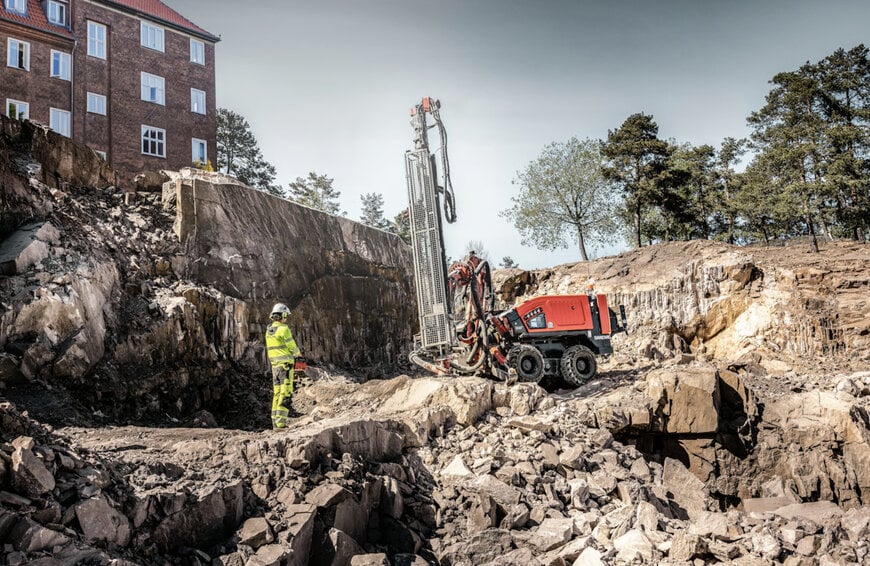
Sandvik has been at the forefront of mining electrification for decades, with proven electric solutions for loading, hauling, drilling, and mechanical cutting applications. Building on this extensive operational experience, the manufacturer is transitioning its established surface drilling equipment from conventional diesel drivetrains into emission-free machinery. This shift establishes an all-electric engineering architecture for civil engineering contractors, designed to optimize vehicle deployment, jobsite compliance, and productivity within tightly regulated urban worksites.
The continuous electrification of heavy machinery directly impacts the digital supply chain and the structural sustainability of modern infrastructure development. By expanding a uniform electric powertrain architecture into the surface drilling sector, engineering firms can adapt to evolving municipal environmental mandates and zero-emission construction site regulations. This technological transition directly addresses strict urban noise ordinances as well as growing regional requirements for zero-emission building initiatives.
Drivetrain Architecture and Hydraulic Drilling Performance
The mechanical structure of the Commando DC310RiE is built upon an established compact carrier platform, redesigned to replace the traditional internal combustion engine with a fully electric power unit. To maintain equivalent mechanical performance, the rig integrates an updated RD212 hydraulic rock drill, transferring full impact energy and rotation torque through an entirely electric drivetrain. Field trials under real working conditions indicate that this electrotechnical configuration matches the penetration rates of traditional diesel equipment in identical rock strata, allowing operators to transition to zero-emission tasks without an efficiency penalty.
The system utilizes a dual-mode power architecture engineered for versatile worksite mobility. Primary drilling operations are sustained through a continuous tethered cable connection to the local electrical grid, bypassing the need for onsite fuel consumption. For repositioning and navigating between drill points, the rig utilizes an optional battery-powered tramming module, which allows independent movement across varying terrain without requiring a continuous cable hookup. Managing this tethering line is simplified through an integrated optional cable reel asset, which maintains proper cable tension and reduces physical wear during structural re-positioning.
Acoustic Mitigation and Confined Space Adaptability
The integration of an electric motor substantially reduces the noise signature of the machinery compared to conventional diesel power units. To further suppress the structural frequency of the physical percussion process, the machine can be equipped with a NoiseShield acoustic damping enclosure. This multi-layered mitigation system lowers noise emissions, enabling the equipment to operate within dense municipal environments, commercial centers, and residential boundaries where traditional heavy equipment faces strict operational hourly curfews.
The physical footprint of the unit is engineered for tight spatial configurations. Its compact dimensions and articulated boom reach make it functional for both restricted urban foundation works and expansive infrastructure projects. Mechanical maneuverability across unstable or unpaved terrain is supported by an optional track configuration, which enhances traction and ground stability. Furthermore, removing the diesel exhaust system eliminates the accumulation of hazardous particulate matter, rendering the machine suitable for semi-enclosed spaces, trenching cuts, and underground civil applications.
Lifecycle Maintenance and Fleet Optimization
Transitioning to an all-electric powertrain alters the structural maintenance profile and structural availability of the equipment. Eliminating the diesel combustion cycle removes several major mechanical subsystems, including the engine block, exhaust aftertreatment systems, particulate filters, and fuel injection pumps. Minimizing the total count of high-wear powertrain components directly reduces preventative maintenance intervals, lubrication demands, and the associated labor costs of field technicians.
This reduction in total mechanical complexity supports higher long-term fleet availability and reduces operating expenses over the lifecycle of the drill rig. Operating data and system status are integrated into standard digital monitoring loops, allowing project managers to track energy consumption metrics and aggregate utilization hours across the digital supply chain. By matching the control ergonomics and interface workflows of older diesel-powered Commando models, the system allows field personnel to begin immediate production workflows without intensive operator retraining programs.
Additional Context:
This section details technical specifications and competitive benchmarking not included in the original product announcement
The entry of the Sandvik Commando DC310RiE into the light surface drilling sector creates a distinct technological benchmark, as the majority of established electric drilling platforms have historically focused on heavy underground mining jumbos or large-diameter rotary blasthole rigs. Within the compact and mobile top hammer segment, the machine competes conceptually and operationally with alternative power models from global manufacturers like Epiroc and specialized regional equipment suppliers.
When evaluated against its direct internal combustion predecessor, the diesel-powered Commando DC300Ri, the DC310RiE establishes a completely different utility profile. The diesel version relies on a Caterpillar 3.6 engine producing 74.4 kW, which complies with Tier 4 Final and Stage V emissions regulations but still produces localized carbon dioxide, nitrogen oxides, and diesel particulate matter. By contrast, the DC310RiE produces zero localized emissions at the point of operation. While the diesel model maintains unrestricted mobility via its onboard fuel tank, the electric version addresses this structural variable through its hybrid cable-and-battery design, trading infinite range for compliance with the strict zero-emission jobsite mandates increasingly enforced in the Nordic countries and major European metropolitan centers.
In the broader international market, the main competitive alternative comes from Epiroc, which has introduced surface electrification options for its larger SmartROC and Pit Viper series, and offers smaller conventional units such as the FlexiROC T25 R (covering hole diameters of 38 to 64 millimeters). However, the FlexiROC T25 R traditionally relies on a onboard diesel engine or a standard tethered industrial cable without an integrated battery tramming option for independent short-range mobility. The integration of a dedicated battery module for tramming purposes within the Commando chassis allows Sandvik to fill a specific market gap, combining the steady power delivery of a tethered connection during high-load drilling with the un-tethered tracking flexibility required on dynamic construction jobsites.
Furthermore, the implementation of the updated RD212 rock drill provides a specific power-density advantage in this weight class. Conventional small-diameter electric conversions often experience hydraulic conversion losses when transitioning electrical energy into mechanical impact energy. By utilizing optimized hydraulic pilot controls and matching the hydraulic pump displacements to the electric motor torque curve, the DC310RiE achieves parity in rock penetration speed against the 74.4 kW diesel baseline, establishing a new operational standard for zero-emission infrastructure engineering.
Edited by Natania Lyngdoh, Induportals editor, assisted by AI.
www.mining.sandvik.com
Powered by
Induportals Media Publishing