Mini vs Full-Size Excavator: Which One Do You Need?
Picking between a mini excavator vs full size excavator isn’t about which one is “better.” It’s about which one fits your job site. Get the size wrong and you either pay for power you don’t need, or you dig at a pace that costs you the week. Here’s how to […] The post Mini vs Full-Size Excavator: Which One Do You Need? appeared first on Used Equipment.
 machineryasia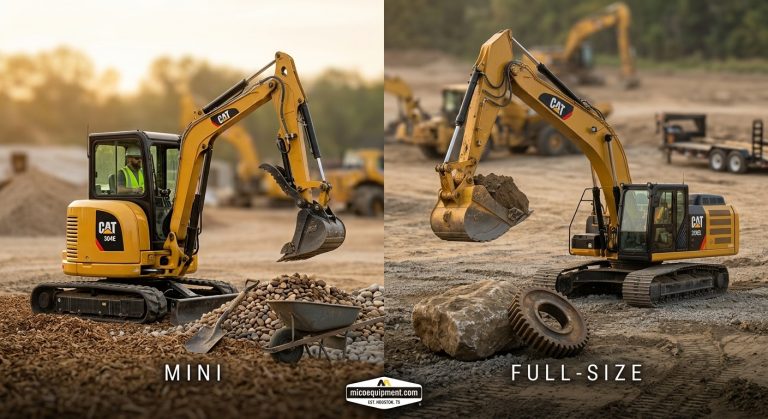
Picking between a mini excavator vs full size excavator isn’t about which one is “better.” It’s about which one fits your job site. Get the size wrong and you either pay for power you don’t need, or you dig at a pace that costs you the week. Here’s how to get it right, without the guesswork.
Mini Excavator vs Full-Size Excavator: What’s the Difference?
The line between mini excavator vs full‑size excavator comes down to weight not looks. A mini excavator usually stays under tons. A full‑size excavator starts at about 10 tons. Can go past 45 tons. That weight difference changes dig depth, ground pressure, transport rules and how much material the machine can move in a day.
Excavator Operating Weight: The Spec That Decides Everything
The excavator operating weight includes the machine, tracks, fuel, cab and a standard bucket. Contractors check this number first because it tells them dig depth, ground pressure and whether hauling the machine needs a permit.
- Micro class: under 2 tons, 6‑8 ft dig depth
- Utility mini: 3‑5 tons, 8‑12 ft dig depth
- Compact mini: tons, 12‑16 ft dig depth
- Full‑size: 10‑45+ tons, 16‑30+ ft dig depth
Most machines that weigh less than 6 tons tow on a standard trailer and no CDL is needed. Full‑size units always need a dedicated trailer and permits.
Mini Excavator Sizes: From Micro to Compact
Not every mini excavator is the same machine. Here is how the mini excavator sizes break down:
| Class | Operating Weight | Best Fit |
| Micro | Under 4,000 lbs | Tight-access lots, indoor demo |
| Utility | 4,000-11,000 lbs | Trenching, septic, pool digs |
| Compact | 11,000-22,000 lbs | Site prep, heavier trenching |
Some micro models measure as slim as 36 inches wide, narrow enough for a standard backyard gate. That’s the whole point of a mini excavator — get in, do the work, leave the yard intact.
Full-Size Excavator: When the Job Needs More Machine
A full size excavator earns its place on jobs where depth, reach, and speed matter more than tight access. Cross into 10+ tons and you get more boom force, a bigger bucket, and a machine built to move volume all shift, not just for an hour.
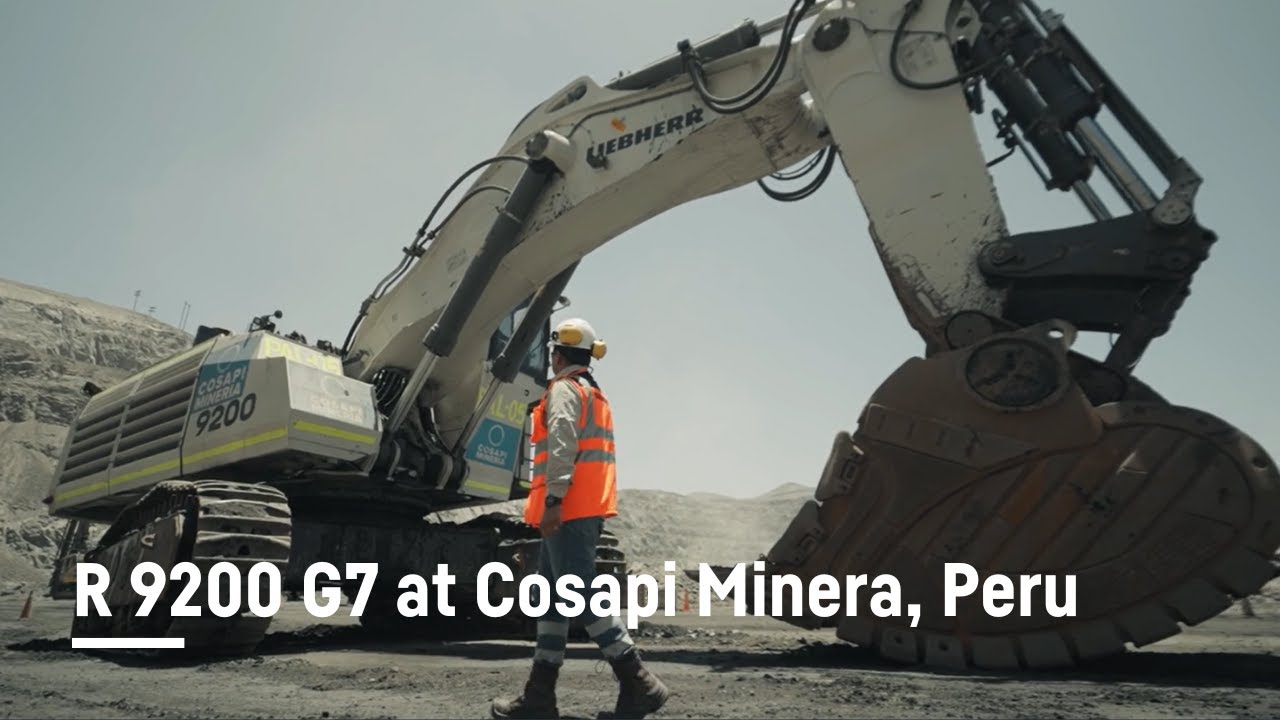
Full-size units span the 10-14 ton “small” class, the 20-30 ton mid-size range used on most commercial sites, and 45-ton-plus machines used in mining and quarrying.
Which Size Fits Which Job
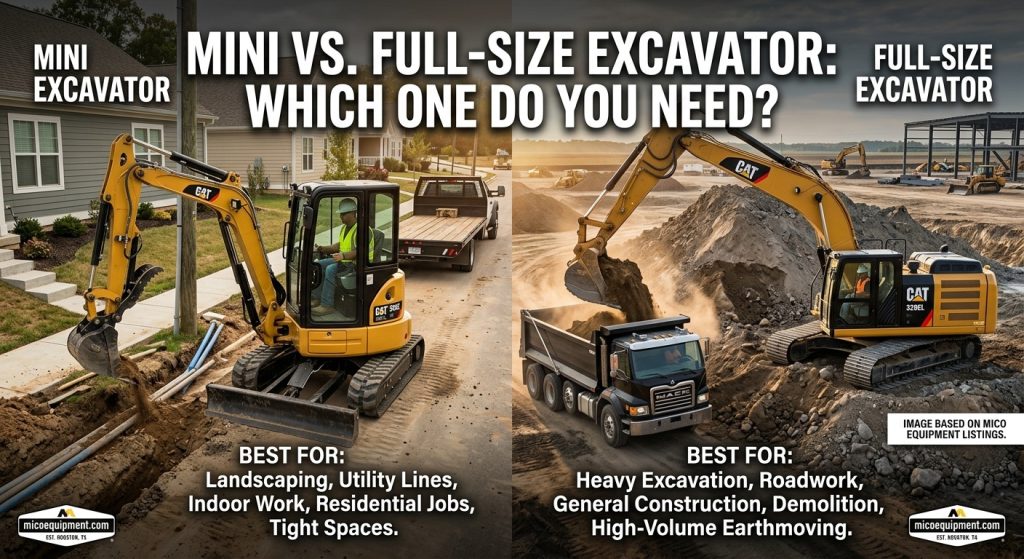
Residential and Landscaping Work
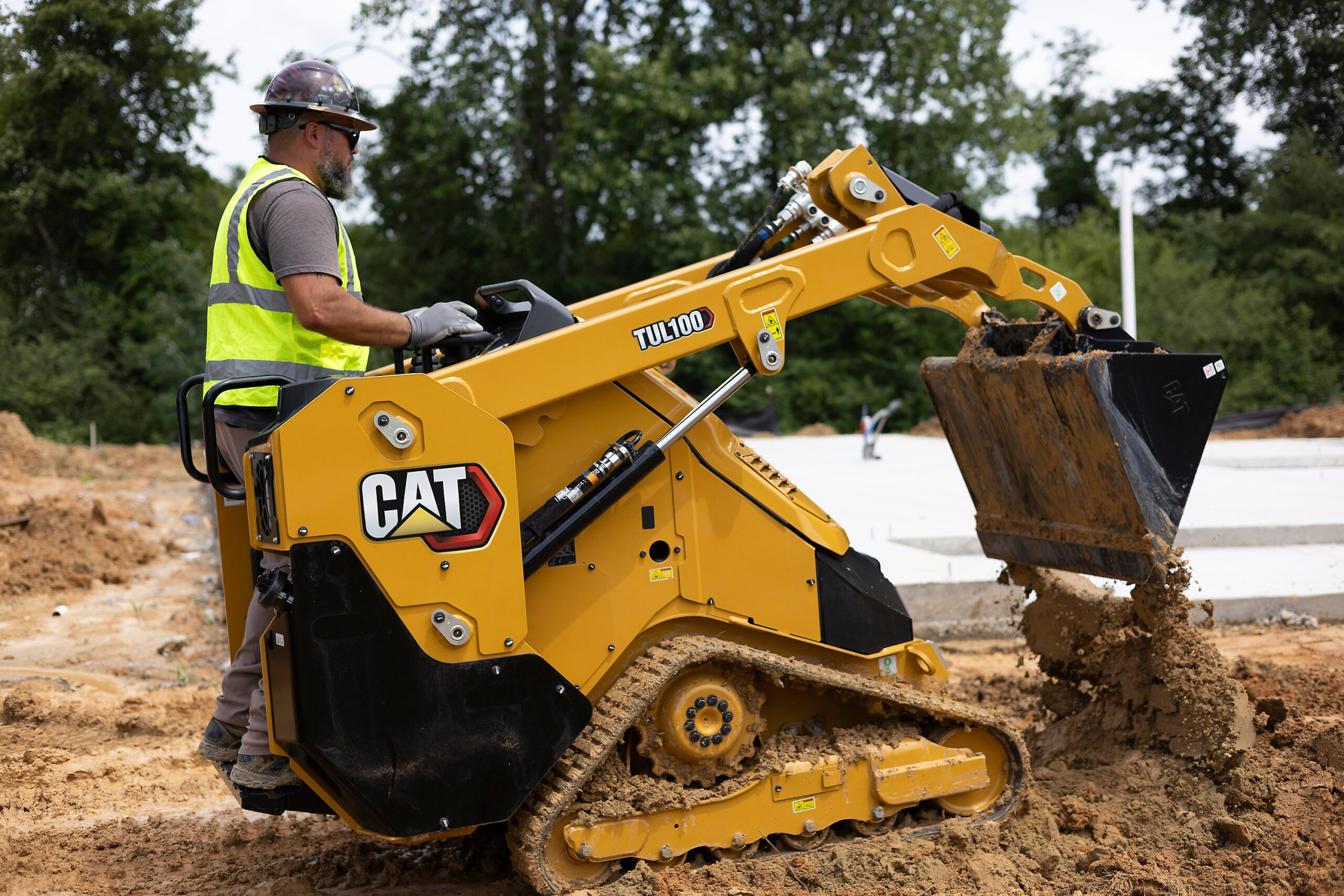
Backyard grading, pool digs, drainage lines, small retaining walls — this is mini excavator work. Low ground pressure protects lawns and pavers.
Utility Work and Site Prep
On the edge with them are utility trenches and small commercial site preparation. A 5-8 ton mini will do most of the work, and for larger-volume site prep, a small full-size machine will be used.
Road Construction and Heavy Excavation
A full size excavator is required on roads, a large excavation site, and commercial foundation digging. It’s too massive to be able to match the dig depth and cycle speed of mini excavators.
Demolition
If an appropriate attachment is in place, the mini excavator is suitable for light residential or indoor demolition work. For a large-scale demolition project or structural demolition project in a commercial building, you will require a full size machine with a demolition rated boom. The larger equipment would be used for a more difficult job. Rides higher up on the water and moves more quickly.
Who Buys Each Machine
Most landscapers, utility companies, septic and pool installers, rental companies and property owners who work on-site purchase mini excavators. This equipment comes with a range of benefits and is great for tasks and confined areas. The large excavators are used by contractors, road construction, demolition and mining and quarry operators. These buyers are servicing jobs where a machine is needed to process an excessive amount of material within a brief time.
Excavator Lifting Capacity Compared
The capacity of the excavator to lift varies with the type of weight it can carry.
- The mini excavators can lift 1,500 to a hundred pounds.
- Full-size excavators or the largest excavators can carry thousands of pounds, with the largest ones being capable of handling tens of thousands of pounds.
- Mini excavators with zero tail swing have less lift capacity, but this is fine near walls, curbs, and traffic.
This is beneficial when you’re working in a small space. When comparing machines, be sure to look at their specs.
Used Excavators for Sale: New vs Used Pricing
Prices of the used excavators for sale will differ as per the size. The general range is:
- Mini (1-6 ton): New 30,000 to 110,000 · Used 12,000 to 85,000
- Midi (7-10 ton): New 60,000 to 150,000 · Used 30,000 to 100,000
- Standard (11-30 ton): New 100,000 to 300,000 · Used 50,000 to 200,000
Why Buyers Choose Used Over New
As per regulations, used excavators are typically 60% to 30% less expensive than new excavators. A moderately used, well-maintained machine can perform the same work as a new machine, but for quite a bit less. This freed up money that could be redirected instead of being sunk into depreciation for the project.
Used Mini Excavators for Sale: What to Check First
When purchasing a used mini excavator sale, carefully verify when it was last repaired, the hours on the meter, mechanics under the equipment, hydraulic top-up or drain record, and whether it is suitable for the attachment. For machines, the maintenance history and treatment of the machine are more important than the brand name on the side.
Select the machine according to the job, Not the other way round.
A mini excavator is a big star when you require accessibility, ground protection and lower cost. It wins over a full-size excavator when the job calls for power and speed, at scale. Understand your site before starting your work. The appropriate machine or equipment will be apparent.
FAQs
What is the difference between a mini vs. full-size excavator?
Weight or depth of digging. Mini excavators consist of a machine that weighs less than 6-10 tons and has a digging capacity of 6-16 ft. Full-size units begin at 10 tons with 16-30+ ft. of digging.
Which size mini excavator should I use for my home landscaping?
A 2-5 ton mini-excavator can be used for the majority of backyard work, grading, drainage and small digs. Before ordering a gate, check the width.
Is a used excavator a good buy instead of new?
Yes, for most contractors. Used units cost 30-60% less and still deliver most of their working life, especially in the 2-8 ton mini range and 10-20 ton full-size range.
Do you inspect used excavators before selling them?
Mico sells used machines in the condition they arrive. Mico does not provide its own inspection certification unless one comes with the machine. If a buyer requires an inspection, Mico can arrange an inspection service upon request.
The post Mini vs Full-Size Excavator: Which One Do You Need? appeared first on Used Equipment.