In California, Preparing for the Clean Industry of the Future
At California Forward's annual economic summit, AAM participates in a panel exploring the concepts guiding "clean industrial zones."
 machineryasia
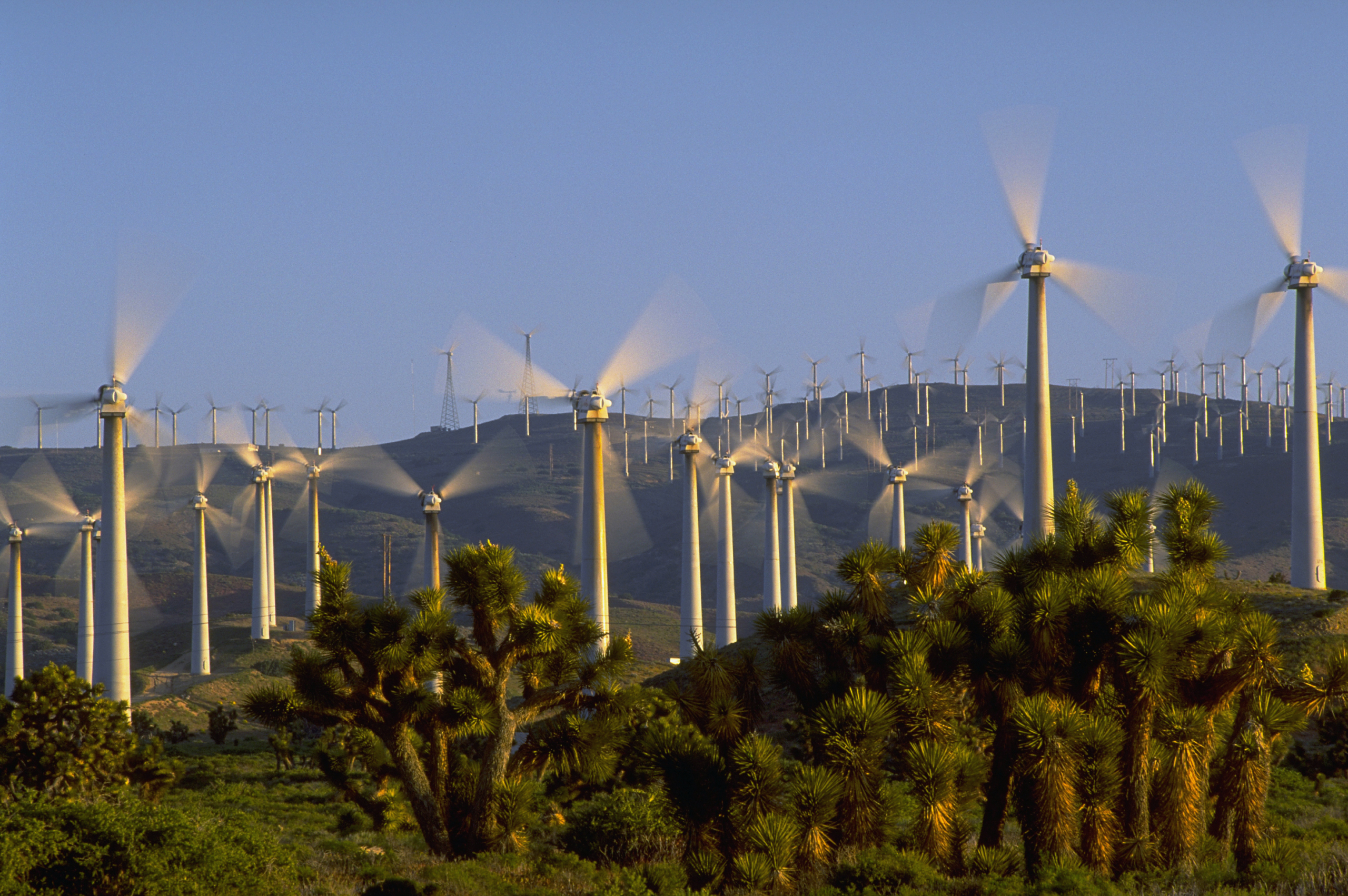
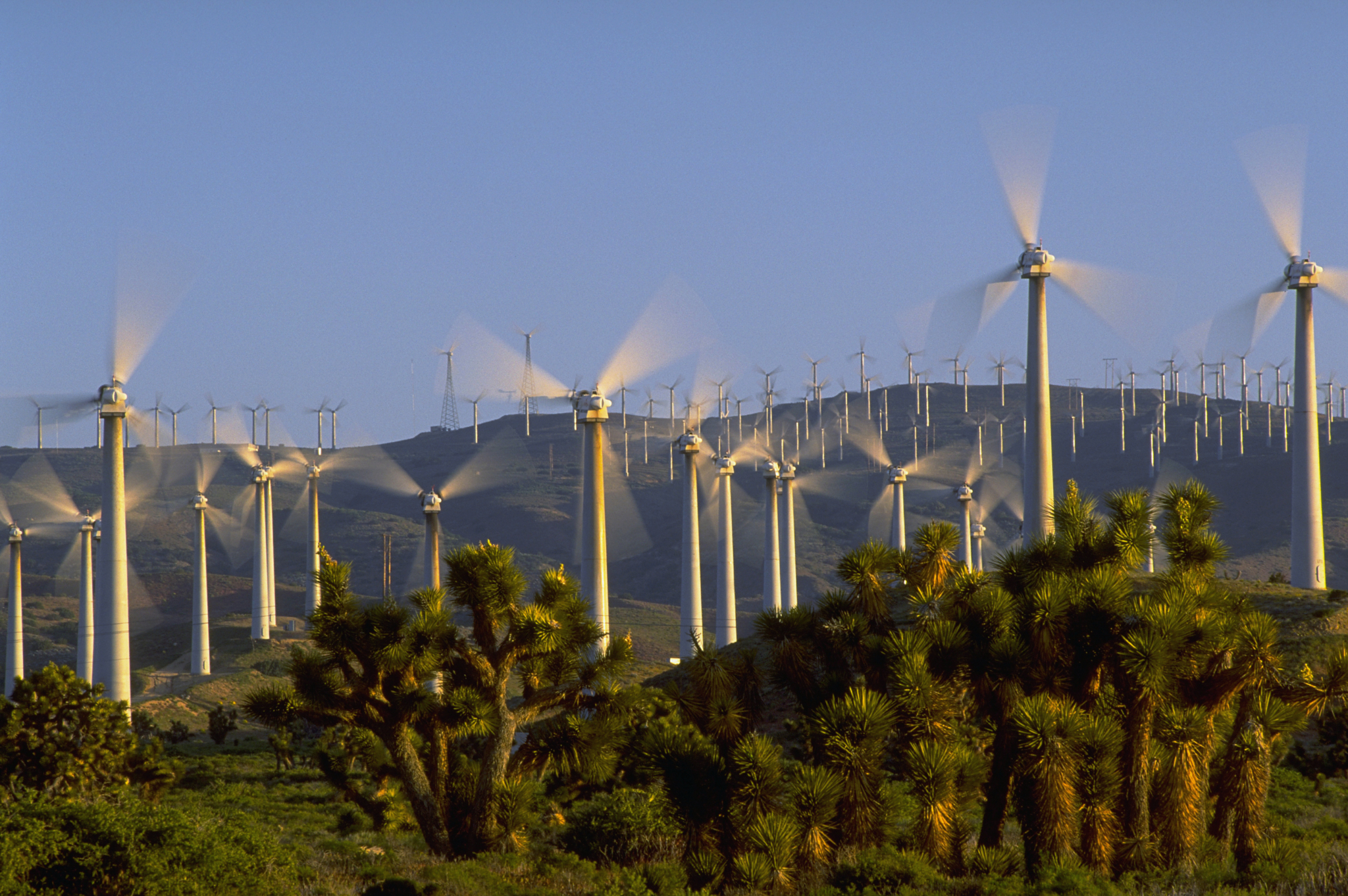
AAM participates in a panel exploring the concepts guiding “clean industrial zones” at California Forward’s annual economic summit.
Across the United States, governments are exploring the concept of “advanced” or “clean” industrial zones: Dedicated geographies where the state works with communities to develop infrastructure, establish community and worker benefits upfront and site low-carbon manufacturing. In California, this could ensure that state-based clean tech start-ups translate into middle-class jobs and a strong tax base, allowing the Golden State to produce the products we need to tackle climate change, rather than being reliant on overseas supply chains.
I had a chance to talk about this in detail on a panel at last week’s California Economic Summit in Long Beach, and it’s right in my wheelhouse: While federal policy and funding focus elsewhere, state level policy discussions continue to view low-carbon supply chains as a critical growth sector, as well as a central element of many regional economic development plans (including a few California Jobs First strategies).
California Forward’s Jake Higdon gathered a group of experts in manufacturing, labor, and climate issues for a moderated session examining the opportunities and limitations of “clean industrial zones” as a solution to California’s manufacturing struggles.
“From clean minerals to climate tech, to everything in-between, there is a need and a benefit from comprehensive system approaches that help attract and retain the next companies to capture these fast-growing industry investments,” explained Rocky Mountain Institute’s (RMI) Aaron Brickman. He said that zones offer companies a degree of speed related to permitting and siting, access to infrastructure, and pathways for workforce development.
Jesse Hammerling, director of the University of California Berkeley Labor Center’s Green Economy Program, said this is already happening in the state, pointing to the Contra Costa Green Empowerment Zone in designated land by the waterfront in the Bay Area. In a region with more than one hundred years of manufacturing history, the Green Empowerment Zone established a board with more than 40 members from labor unions, state policy groups, Congressional offices, workforce boards, environmental justice organizations and others to plan for an energy transition that grows good jobs in the renewable sector. Hammerling detailed some of the priorities that have been identified, among them:
- Site pre-development, as manufacturers need turnkey-ready land they can occupy as soon as possible;
- The targeting of small- and middle-sized manufacturers who are looking for small- footprint land that will locate them close to networks of both white-collar, scientific labor and the blue-collar labor markets; and
- Engagement with communities and labor early in the planning process as a critical strategy for success.
Leslie Chang, industrial development director at the United Autoworkers Center for Manufacturing a Green Economy, spoke about the trap of pitting climate-minded manufacturing against affordability. Chang rejected it as an either-or choice, arguing that clean industry can be an economic engine.
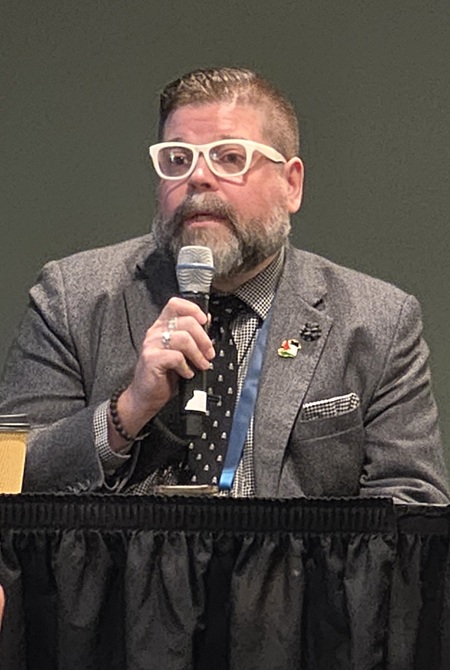
“At a time when political disagreement is so high, we can either go down our current path or be creative and think about how to do things for the good of people,” Chang said. “This is good for business: more worker buy-in, less turnover, More community buy-in, faster deployment, actually moving toward decarbonization.”
She also pointed out that clean manufacturing industries like batteries and solar, which have low unionization rates, face turnover challenges that in turn create workforce knowledge issues and a shallow labor pool; problems that unions have decades of experience in solving.
I, meanwhile, was on hand to remind the panel that there are specific federal- and state-level policy tools needed to assure clean domestic manufacturing remains competitive, such as:
- enforcing the rules of the trade agreements entered into by the United States and California to assure fair competition is happening on a level-playing field,
- using federal, state and municipal procurement to create market opportunities for the domestic manufacturing sector in a manner consistent with our trade agreements,
- strengthening relationships between industrial apprenticeship programs in California and manufacturers looking to move into these new zones; and
- assuring the resources offered on a federal level by the Hollings Manufacturing Extension Partnership, and in California by organizations like the California Manufacturing and Technology Center, are known and available to the manufacturers operating in these new zones.
There was a lot of energy in this panel, and a lot of enthusiasm for the economic development this energy transition will produce. I left it and the summit hopeful that we’ll soon see more new technology and products marked not with a “Designed in California” label but with a “Made in California” label that means its production meets the high labor and environmental standards than Californians demand from their government.