Judge: Illinois' Cook County Transportation Spending Violated Law
The Illinois Road & Transportation Builders Association sued over the money not being spent on roadbuilding and other transportation...
 machineryasia
A Circuit Court judge has ruled that Cook County, Illinois, spent over $243 million in transportation revenue in violation of state law.
The ruling January 28 followed a lawsuit by the Illinois Road & Transportation Builders Association that the money was spent on things like law enforcement and judiciary agencies instead of the intended purpose for roadbuilding and other transportation-related projects.
The Illinois Road & Transportation Builders Association sued the county in 2018 claiming the transportation funding had been allocated illegally. The complaint centered on the 2016 Illinois Transportation Taxes and Fees Lockbox Amendment, the result of a referendum approved by 79% of Illinois residents that required all taxes and revenues derived from transportation-related activities be spent on a specific set of actions. Those included:
- Costs of administering laws related to vehicles and transportation.
- Payment of highway obligations.
- Costs for construction, reconstruction, maintenance, repair and betterment of highways, roads, streets, bridges, mass transit, intercity passenger rail, ports, airports or other forms of transportation.
- Spending state or local share of highway funds to match federal-aid highway funds, and expenses for grade separation of highways and railroad crossings, including protection of at-grade highways and railroad crossings, and other transportation purposes for local governments as authorized by law.
The amendment required all transportation-derived taxes and funds be placed in a “lockbox” to prevent inappropriate allocation to unapproved activities.
IRTBA’s lawsuit focused specifically on the county’s 2023 fiscal year transportation-derived revenue, which the court described as using “a cost allocation method so that it [the county] could use some of the TTR [Transportation Tax Revenue] in a variety of departments and programs that contain a mix of expenses, some of which are transportation-related and others of which are not.”
Some areas in which the county spent these funds include:
- the Sheriff's Police Department.
- the Department of Corrections.
- the State's Attorney's Office.
- the Adult Probation Department.
- the Judiciary Department.
- the Social Service Department.
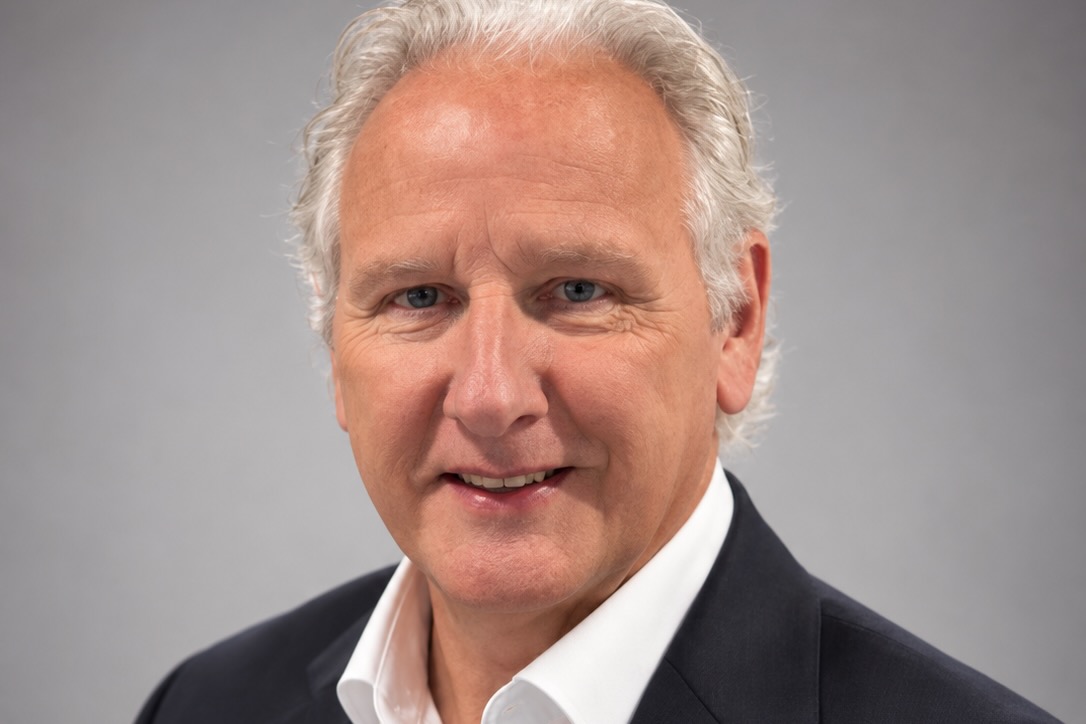
In a press release following the ruling, IRTBA President & CEO Mike Sturino said, "We are gratified with the Circuit Court's decision that requires Cook County to finally obey the will of the voters and the Illinois Constitution, as other units of government and the State of Illinois have done since the Amendment was enacted," said IRTBA President & CEO Mike Sturino. "We look forward to working with Cook County to ensure compliance with the County's constitutional obligations while avoiding disruptions to the County's public services."
Sturino also testified during the trial that the misallocated $243 million could have gone to crucial transportation projects including:
- Improving the I-290 and Blue Line Corridor, one of the top 10 most congested highways in America.
- Improving I-190 to enhance accessibility to and from O'Hare International Airport.
- Improving safety on bridges throughout Cook County.
In a statement issued to CBS News, Cook County said, “The county is disappointed with the ruling. However, the Circuit Court acknowledged the complexity of these novel issues, recognizing that 'the county's efforts to comply with the Amendment are not unreasonable, given the relative lack of clarity of the amendment's application to the county budget.' The county remains committed to continuing to use transportation funding in a fully transparent and compliant manner.”