John Deere Enters a New Era of Excavators
John Deere introduces its new generation of P-Tier excavators to enhance jobsite performance, operator comfort, and machine connectivity across construction and earthmoving applications. www.deere.com John Deere has unveiled its New Generation P-Tier mid-size excavator portfolio, launching the 210, 230, and 260 models in the 20-metric-ton class with redesigned structures, hydraulics, and integrated digital technology aimed at improving performance and operational insights for construction and earthmoving industries. These machines combine refined mechanical capability with enhanced jobsite safety systems and connected-machine features relevant to modern construction workflows. Redesigned Excavator Architecture and Performance The new generation of P-Tier excavators marks a fundamental redesign from earlier models, emphasizing a balance of dig force, lift capacity, and smooth hydraulic response. John Deere engineers report extensive real-world testing, with more than 165,000 operating hours informing the development of these machines. Operators can select from tailored performance modes—including Dig, Lift, and Eco—which help match power output to the specific task while managing fuel usage efficiently. The machines’ refined hydraulic tuning facilitates faster cycle times, supporting typical trenching, grading, truck loading, and craning operations common in construction and infrastructure projects. For example, on the 210 P-Tier excavator—the smallest model in the new lineup—net engine power is 119 kW (159 hp) with a maximum digging depth of nearly 6.7 m, while structural and hydraulic improvements yield high breakout and arm tear-out forces suitable for a range of earthmoving tasks. Operator Environment and Machine Connectivity A key focus of the redesign is operator comfort and situational awareness. The updated cab provides more than 27 inches of legroom, adjustable seating, and an intuitive 12.8-inch touchscreen display that consolidates machine health and operational data. Integration of cameras and sensors improves visibility around the machine, while safety features such as machine damage avoidance and virtual fences define job limits above, below, and around the excavator to help mitigate collision risks in complex work zones. Remote Display Access (RDA) and Remote Display Control (RDC) extend these capabilities by allowing remote viewing and adjustment of machine settings without physical presence in the cab—useful for diagnostics, training, or setup tasks. These connectivity features align with broader trends in construction digitization, where real-time insights into machine performance and jobsite conditions contribute to more efficient planning and execution. Integrating telematics and remote monitoring complements machine-level improvements by enabling data-informed decisions that can reduce downtime and support proactive maintenance. Productivity, Safety, and Data-Driven Operations in Practice The new P-Tier series addresses core challenges in mid-size excavator applications, such as balancing power, fuel efficiency, and operator productivity. Enhanced hydraulic precision and adjustable response modes allow operators to tailor machine behavior to varied jobsite demands, while improved comfort and visibility aim to reduce fatigue and increase operational safety. Connectivity and remote access features anticipate evolving expectations for machine diagnostics and support within a digital supply chain of equipment and fleet management. www.deere.com Powered by Induportals Media Publishing
 machineryasia
John Deere introduces its new generation of P-Tier excavators to enhance jobsite performance, operator comfort, and machine connectivity across construction and earthmoving applications.
www.deere.com
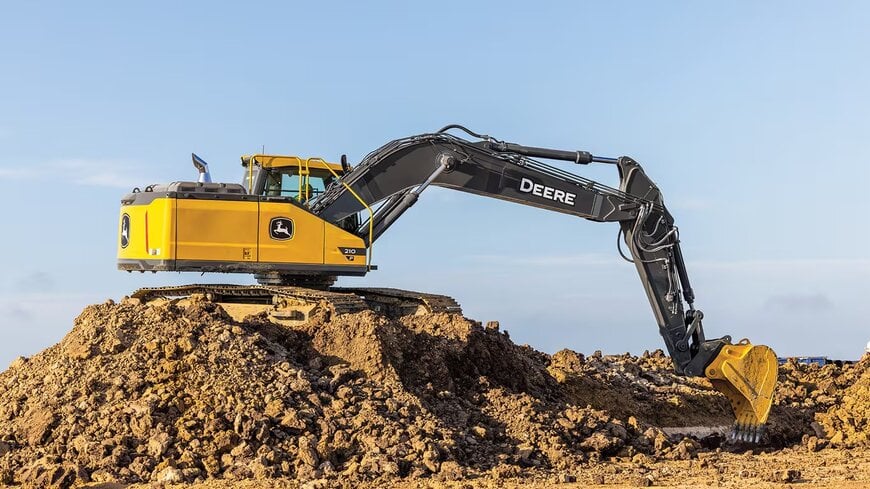
John Deere has unveiled its New Generation P-Tier mid-size excavator portfolio, launching the 210, 230, and 260 models in the 20-metric-ton class with redesigned structures, hydraulics, and integrated digital technology aimed at improving performance and operational insights for construction and earthmoving industries. These machines combine refined mechanical capability with enhanced jobsite safety systems and connected-machine features relevant to modern construction workflows.
Redesigned Excavator Architecture and Performance
The new generation of P-Tier excavators marks a fundamental redesign from earlier models, emphasizing a balance of dig force, lift capacity, and smooth hydraulic response. John Deere engineers report extensive real-world testing, with more than 165,000 operating hours informing the development of these machines. Operators can select from tailored performance modes—including Dig, Lift, and Eco—which help match power output to the specific task while managing fuel usage efficiently. The machines’ refined hydraulic tuning facilitates faster cycle times, supporting typical trenching, grading, truck loading, and craning operations common in construction and infrastructure projects.
For example, on the 210 P-Tier excavator—the smallest model in the new lineup—net engine power is 119 kW (159 hp) with a maximum digging depth of nearly 6.7 m, while structural and hydraulic improvements yield high breakout and arm tear-out forces suitable for a range of earthmoving tasks.
Operator Environment and Machine Connectivity
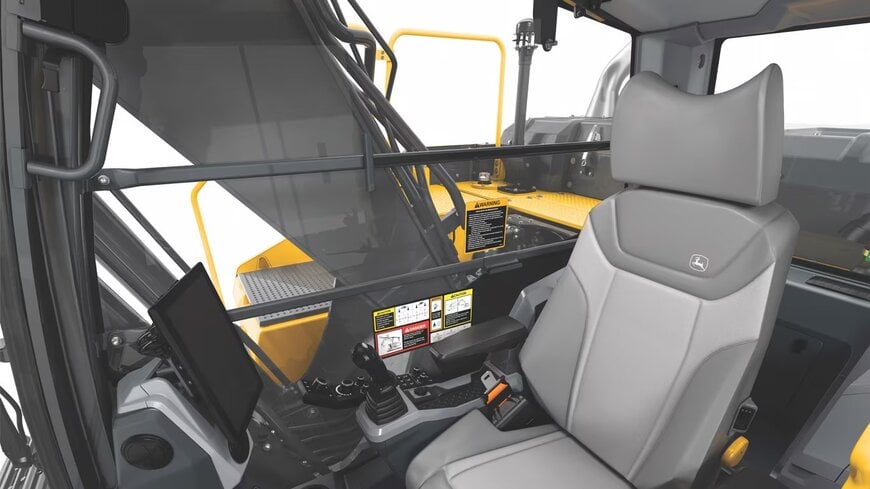
A key focus of the redesign is operator comfort and situational awareness. The updated cab provides more than 27 inches of legroom, adjustable seating, and an intuitive 12.8-inch touchscreen display that consolidates machine health and operational data. Integration of cameras and sensors improves visibility around the machine, while safety features such as machine damage avoidance and virtual fences define job limits above, below, and around the excavator to help mitigate collision risks in complex work zones. Remote Display Access (RDA) and Remote Display Control (RDC) extend these capabilities by allowing remote viewing and adjustment of machine settings without physical presence in the cab—useful for diagnostics, training, or setup tasks.
These connectivity features align with broader trends in construction digitization, where real-time insights into machine performance and jobsite conditions contribute to more efficient planning and execution. Integrating telematics and remote monitoring complements machine-level improvements by enabling data-informed decisions that can reduce downtime and support proactive maintenance.
Productivity, Safety, and Data-Driven Operations in Practice
The new P-Tier series addresses core challenges in mid-size excavator applications, such as balancing power, fuel efficiency, and operator productivity. Enhanced hydraulic precision and adjustable response modes allow operators to tailor machine behavior to varied jobsite demands, while improved comfort and visibility aim to reduce fatigue and increase operational safety. Connectivity and remote access features anticipate evolving expectations for machine diagnostics and support within a digital supply chain of equipment and fleet management.
www.deere.com
Powered by
Induportals Media Publishing