High-Capacity Crane Deployment for Heavy Engineering
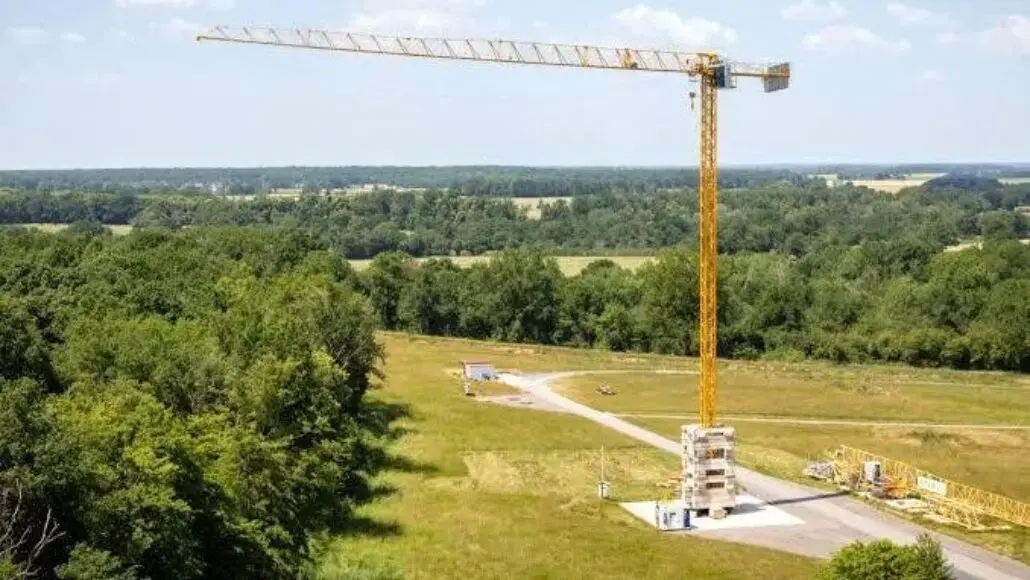
Grúas Aguilar expands its operational fleet with 15 advanced Liebherr cranes for complex infrastructure projects. www.liebherr.com Grúas Aguilar has initiated a fleet expansion program in cooperation with heavy equipment manufacturer Liebherr to integrate 15 new high-capacity crawler and mobile cranes. This hardware procurement aims to address lifting capacity requirements for major infrastructure, petrochemical, and energy sector projects. Heavy-Lifting Infrastructure Requirements The cooperation involves Grúas Aguilar, a heavy-lifting and transport contractor, and Liebherr, acting as the equipment supplier and technology partner. The integration of high-capacity cranes addresses the operational challenge of executing heavy load maneuvers in space-constrained industrial environments and large-scale civil engineering projects. Procuring a unified fleet from a single manufacturer standardizes maintenance protocols and ensures compatibility with specialized lifting attachments, facilitating operational scalability across multiple deployment sites. Technical Specifications of the Lifting Hardware The procurement agreement includes a combination of crawler and mobile cranes, highlighting the 800-tonne LR 1800-1.0 crawler crane and the LTM 1400-6.1 mobile crane, which features a maximum lifting capacity of 450 tonnes. The LR 1800-1.0 functions as an industrial crane configured for luffing jib and derrick system applications. Additionally, the LTM 1300-6.4 model integrates a 90-meter telescopic boom and the LICCON3 digital crane control system, which regulates lifting parameters and structural loads in real time. Liebherr is responsible for the manufacturing, technological updates, and local service support through its regional subsidiary, while the contractor manages the field operation and integration of the machinery into active project workflows. Field Implementation and Equipment Integration The equipment delivery is structured in phases extending into the first quarter of 2027. Initial units have already entered operational service. The LR 1800-1.0 crawler crane was deployed for a major infrastructure project in Madrid to execute the lifting and placement of the Mayrit tunnel boring machine, a central component in the expansion of the metropolitan underground network. Industrial and Civil Engineering Applications The updated heavy-lifting fleet targets specific industrial applications, including wind turbine erection, wind farm maintenance, power station construction, and petrochemical facility upgrades. The use of high-capacity crawler cranes in these environments allows for precise positioning of heavy modular components at extreme heights and working radii. This operational capability increases process stability and reduces the time required for major structural assemblies. Operational Impact Transitioning to a modernized fleet with advanced control systems improves load monitoring and operational safety during complex lifts. Maintaining a high percentage of equipment from a single manufacturer ensures continuity in operational training and equipment maintenance. Luis Aguilar, owner of the Aguilar Group, noted that the technical focus of the cooperation centers on "the reliability of the machines, the high quality of service and the continuous technological development of the products." Edited by Aishwarya Mambet, Induportals Editor, with AI assistance. www.liebherr.com Powered by Induportals Media Publishing
 machineryasia
Grúas Aguilar expands its operational fleet with 15 advanced Liebherr cranes for complex infrastructure projects.
www.liebherr.com
Grúas Aguilar has initiated a fleet expansion program in cooperation with heavy equipment manufacturer Liebherr to integrate 15 new high-capacity crawler and mobile cranes. This hardware procurement aims to address lifting capacity requirements for major infrastructure, petrochemical, and energy sector projects.
Heavy-Lifting Infrastructure Requirements
The cooperation involves Grúas Aguilar, a heavy-lifting and transport contractor, and Liebherr, acting as the equipment supplier and technology partner. The integration of high-capacity cranes addresses the operational challenge of executing heavy load maneuvers in space-constrained industrial environments and large-scale civil engineering projects. Procuring a unified fleet from a single manufacturer standardizes maintenance protocols and ensures compatibility with specialized lifting attachments, facilitating operational scalability across multiple deployment sites.
Technical Specifications of the Lifting Hardware
The procurement agreement includes a combination of crawler and mobile cranes, highlighting the 800-tonne LR 1800-1.0 crawler crane and the LTM 1400-6.1 mobile crane, which features a maximum lifting capacity of 450 tonnes. The LR 1800-1.0 functions as an industrial crane configured for luffing jib and derrick system applications. Additionally, the LTM 1300-6.4 model integrates a 90-meter telescopic boom and the LICCON3 digital crane control system, which regulates lifting parameters and structural loads in real time. Liebherr is responsible for the manufacturing, technological updates, and local service support through its regional subsidiary, while the contractor manages the field operation and integration of the machinery into active project workflows.
Field Implementation and Equipment Integration
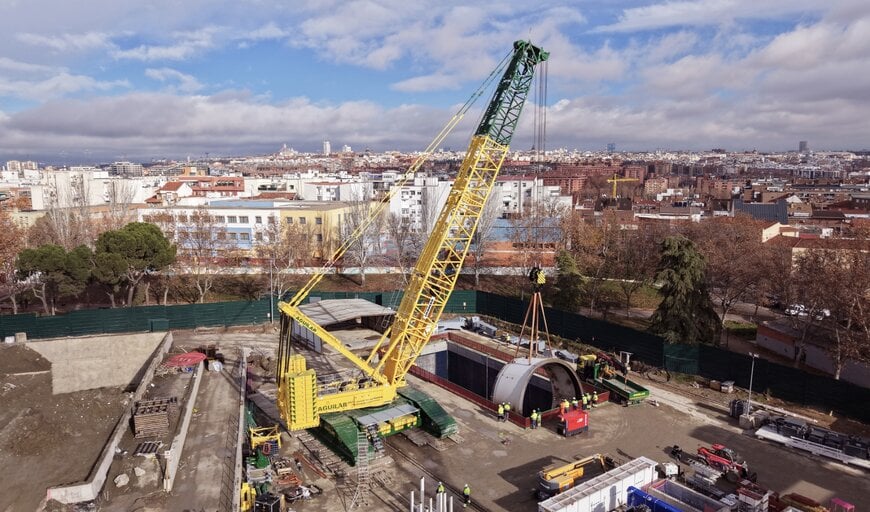
The equipment delivery is structured in phases extending into the first quarter of 2027. Initial units have already entered operational service. The LR 1800-1.0 crawler crane was deployed for a major infrastructure project in Madrid to execute the lifting and placement of the Mayrit tunnel boring machine, a central component in the expansion of the metropolitan underground network.
Industrial and Civil Engineering Applications
The updated heavy-lifting fleet targets specific industrial applications, including wind turbine erection, wind farm maintenance, power station construction, and petrochemical facility upgrades. The use of high-capacity crawler cranes in these environments allows for precise positioning of heavy modular components at extreme heights and working radii. This operational capability increases process stability and reduces the time required for major structural assemblies.
Operational Impact
Transitioning to a modernized fleet with advanced control systems improves load monitoring and operational safety during complex lifts. Maintaining a high percentage of equipment from a single manufacturer ensures continuity in operational training and equipment maintenance. Luis Aguilar, owner of the Aguilar Group, noted that the technical focus of the cooperation centers on "the reliability of the machines, the high quality of service and the continuous technological development of the products."
Edited by Aishwarya Mambet, Induportals Editor, with AI assistance.
www.liebherr.com
Powered by
Induportals Media Publishing