Chloe Kim’s Olympic Run Was Done on an American-made Snowboard
The board that the Team USA standout rode in pursuit of her third straight gold in the women's halfpipe competition was expertly made in Washington.
 machineryasia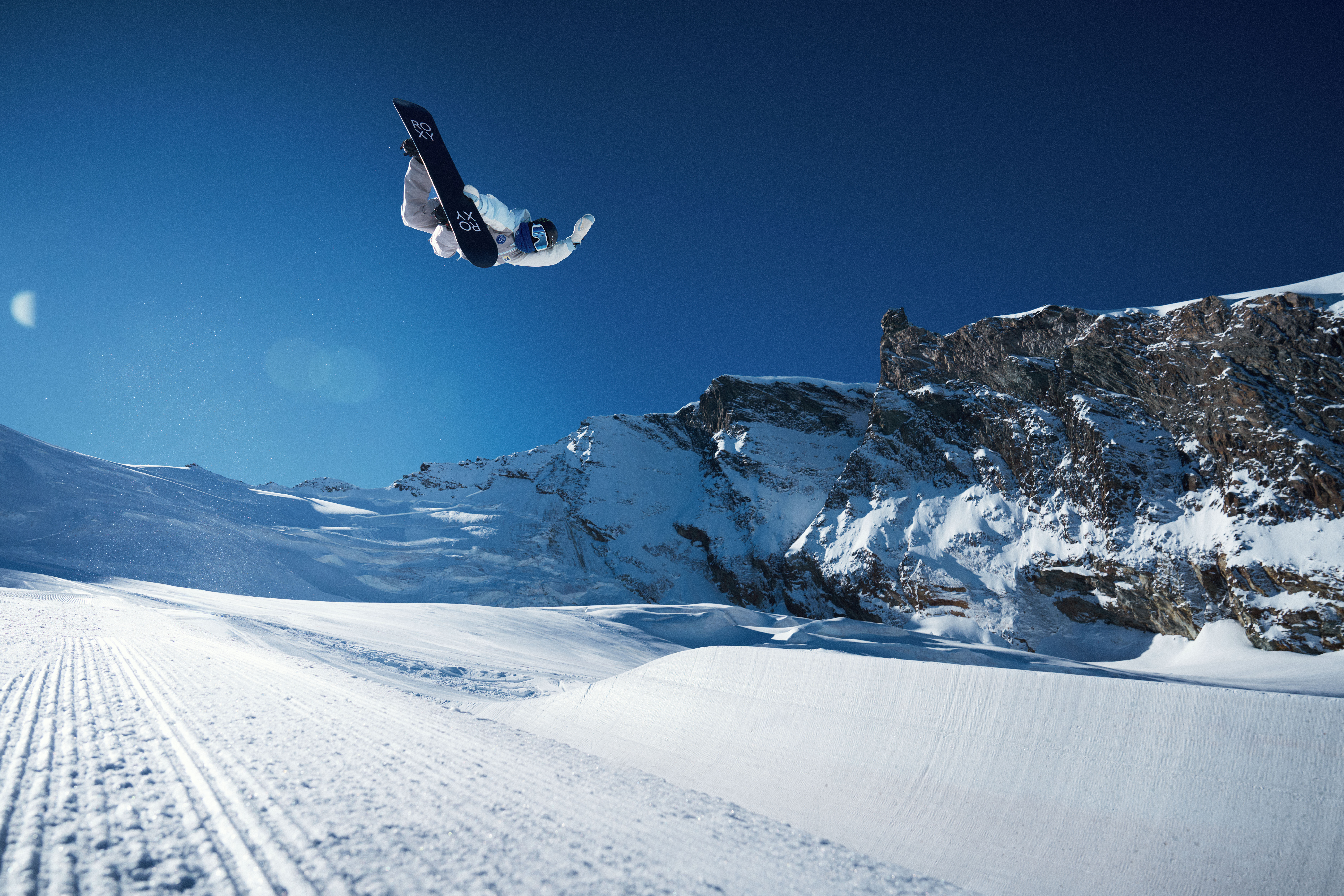
The board that the Team USA standout rode in pursuit of her third straight gold in the women’s halfpipe competition was expertly made in Washington.
Team USA’s two-time, Olympic gold medal winning snowboarder Chloe Kim arrived in the Italian Alps this week with a prize possession from home. It was her trusted and dependable American-made Roxy snowboard that has helped her rise from becoming the youngest woman to win an Olympic snowboarding gold medal to a stalwart of the sport.
Kim was just 17 when she won a halfpipe gold medal at the 2018 Olympic Games in Nagano, Japan and 21 when she repeated that feat at the 2022 Games in Beijing.
On Thursday, she was trying to become the first snowboarder, man or woman, to win a third straight gold medal but she had to settle for second-place silver after a fall on the last of her three halfpipe runs.
In the global snowboarding world, professional competitors are most often riding snowboards manufactured in China, Japan, Dubai or Germany. But Kim has found her remarkable success soaring through the night air on a board made by Mervin Manufacturing in Sequim, Washington.
Mervin Manufacturing is one of only two major board manufacturers that remain in the United States. In addition to snowboards, Mervin makes skis and surfboards.
While Mervin Manufacturing has been a contract manufacturer for Roxy Snowboards for many years, the company also makes its own prominent brands of snowboards, Lib Tech and Gnu.
Barrett Christy Cummins, who was a member of the very first USA snowboarding team in 1998, competed in the Winter Games riding a Mervin-made snowboard. Today she is the Women’s Program Director at Mervin Manufacturing and works closely with Kim.
“Chloe’s been on Roxy boards for at least eight years but Chloe’s the kind of rider who could ride anything,” said Christy Cummins. “Given the opportunity with us she got involved in designing a board that fits her needs because she’s obviously progressed a lot since she was a kid and a stock board wasn’t going to do it anymore.
“The board she’s using in the Olympics is in the market now. But Chloe’s board is stiffer. We stiffen that up for her competition board, but she rides the same board, same design, same shape that you see on the website and at retailers.
“When it comes to the type of riding that Chloe is doing, she needs a stiff board. You can’t ride a 22-foot halfpipe and get the pop and stability she needs with soft equipment.”
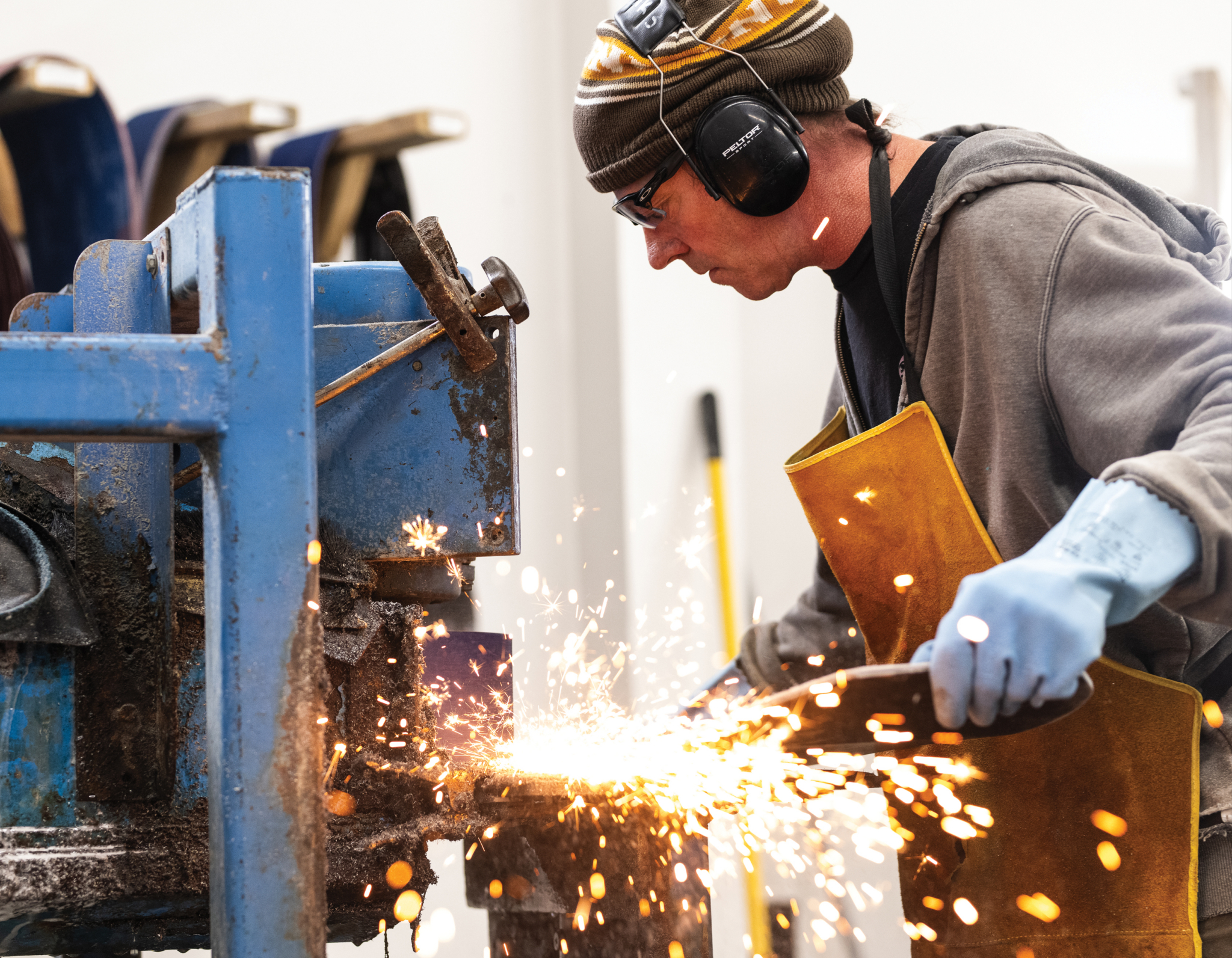
Mervin Manufacturing was founded in 1977 by snowboarders Mike Olson and Peter Saari and is renowned for its commitment to American manufacturing and eco-friendly processes. Nearly 50 years later, Olson and Saari still play active roles in the company located in the north side of Washington’s Olympic Peninsula.
“Mike and Pete actually own the factory,” said Christy Cummins. “We exclusively make snowboards that are Mervin Manufacturing products, but the land and manufacturing are owned and were built through Pete and Mike.”
After outgrowing a smaller factory in Seattle, the founders built a 46,000 square foot factory in Sequim that employees anywhere from 100 to 150 manufacturing workers depending on the season.
Anthony De Rocco is the CEO of Mervin Manufacturing, and he says they take pride in being an American manufacturer.
“There is not a lot of manufacturing left on the snowboard side,” said De Rocco. “We are the biggest in North America. There is Never Summer in Denver and Utopia in Quebec.
“We are the biggest snowboard factory for sure. In terms of major producers, that’s it. And then you are looking at most of the global producers are in Dubai and China, so we are trying to keep American manufacturing alive.”
The process to produce a quality snowboard is considered a sandwich construction. The base material is ultralight molecular weight polyethylene and then there is a structural glass layer that is impregnated with resin, often infused with different elements like carbon and urethane.
“We use a wood core with different species of wood that will impact your flex and more importantly your weight and your pop,” said De Rocco. “On top of that board again you have glass layers with resin and carbon and other stiffening elements and then you usually have a printed top material.
“That is another very unique thing we do because printing and most solvents are introduced into the process and we have a very eco-friendly water-based system. It’s an amazing process and very unique. I was a competitor for 25 years working for a different company and I always tried to figure out how Mike was doing their graphics because he was able to get unbelievable color and pop out of a sublimation process I couldn’t figure out.”
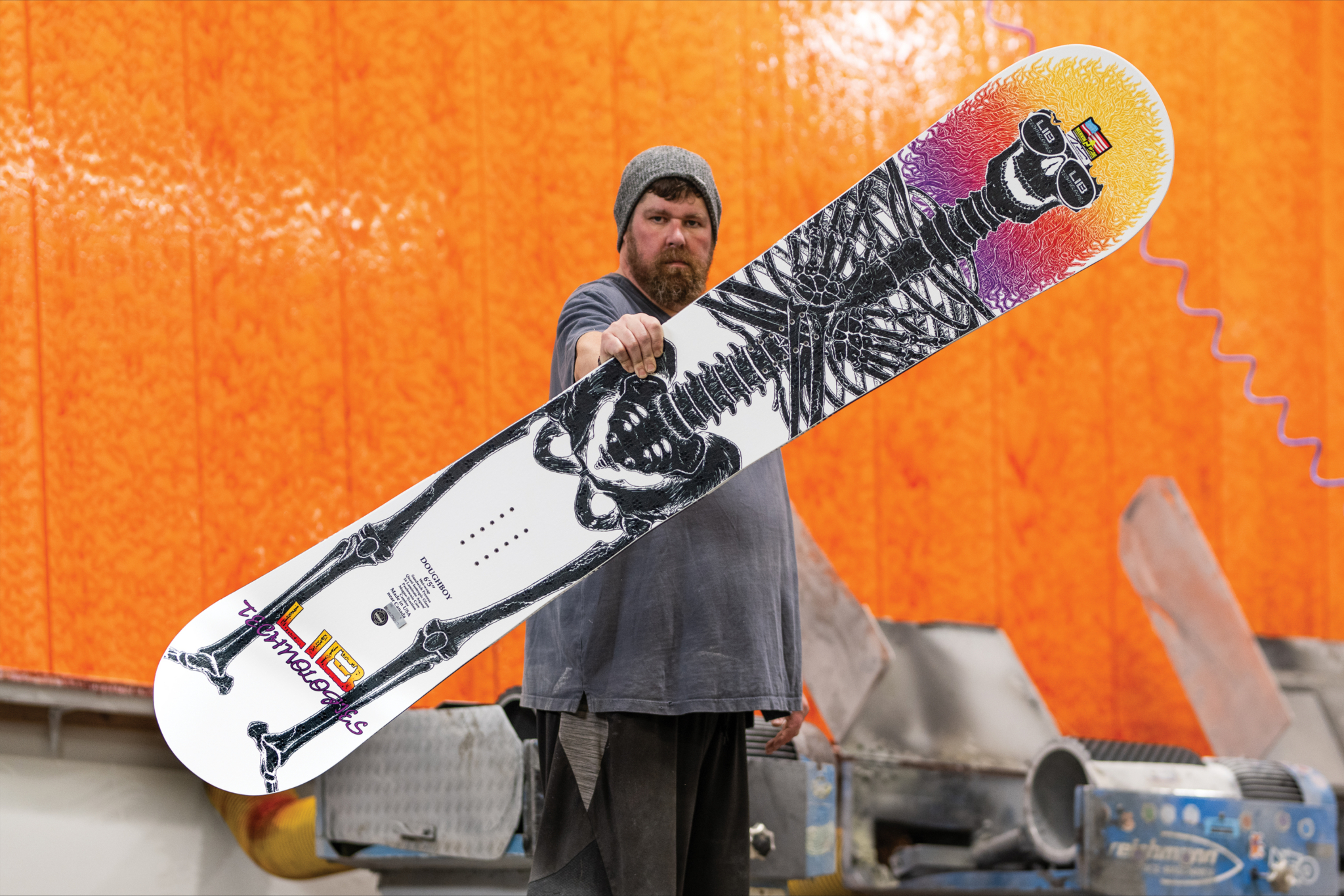
The wood sourcing for Mervin’s snowboard manufacturing comes mostly from American species and other items such as the glass and urethane are U.S.-sourced. The company also sources top and base material from the U.S. but also gets these same materials from Europe.
“The snowboard ski world is a very limited supply chain because you don’t have a lot of businesses coming in trying to make new top material,” said De Rocco. “It’s just not enough of an industry and our plastics are highly engineered.
“Think about a snowboard. One, it’s being used in cold temperatures and two, you saw the halfpipe competition and saw how they are put under strain and stress and these materials are highly engineered. There is a limited amount of factories that can make time and resources to engineer these materials. But we are lucky enough to have a U.S. supplier for base and top material.
“Paulownia is a wood species that does not come from North America, and we use that as our lightweight wood, but Aspen and Poplar are the predominant species used in our wood cores and those are from America.”
But it’s not about weight for Kim, added Christy Cummins.
“It’s more about the flex of the board for Chloe,” she said. “She is not asking for a heavier board. With Chloe, she is going to want carbon for her board because that will allow significant pop for generating amplitude; for lift off the halfpipe; and responsiveness so that the board doesn’t bang under her feet.
“It’s giving her energy feedback so it’s able to be stable whether it’s going high speeds or landing after going big, which is what she does.”
Added De Rocco: “I think it is important people understand we are making Chloe’s boards. We are very proud of it and very proud to be one of the last manufacturers in the United States.”