2026 Executive Outlook: Ilmars Nartish, VP, Manitou North America
From North American manufacturing investments to new product launches, here’s how Manitou North America’s Ilmars Nartish sees...
 machineryasia
As construction equipment executives look ahead to 2026, they are navigating a landscape shaped by persistent economic pressures and targeted pockets of strength.
Tariffs, high interest rates and inflation may cause contractors to delay big purchases and increase equipment rentals to reduce near-term risk. At the same time, the data center and energy infrastructure demand tied to the AI boom is fueling growth in many regions throughout the country.
For this series of Q&As, Equipment World tapped more than a dozen construction industry leaders to find out what trends are shaping their strategy in 2026, how they plan to invest in their manufacturing and dealer operations and how the current political climate is impacting their product roadmap – from regulatory changes to supply chain constraints.
Our slate of experts also touched on technology – from telematics to automation – and the next steps in their alternative power transformation.
This year’s participants include:
Illmars Nartish, Vice President, Manitou North America
Jeffery Ratliff, Director of Sales & Marketing, and Jeff Stewart, President, Takeuchi
Scott Young, Head of Region North America, Volvo CE
Keep reading to see where Ilmars Nartish, VP, Manitou North America, is placing his bets in 2026.
 Manitou
We believe that because of our ongoing investment in our North American manufacturing facilities – including two plants in South Dakota – we can meet the needs of contractors and customers throughout North America.
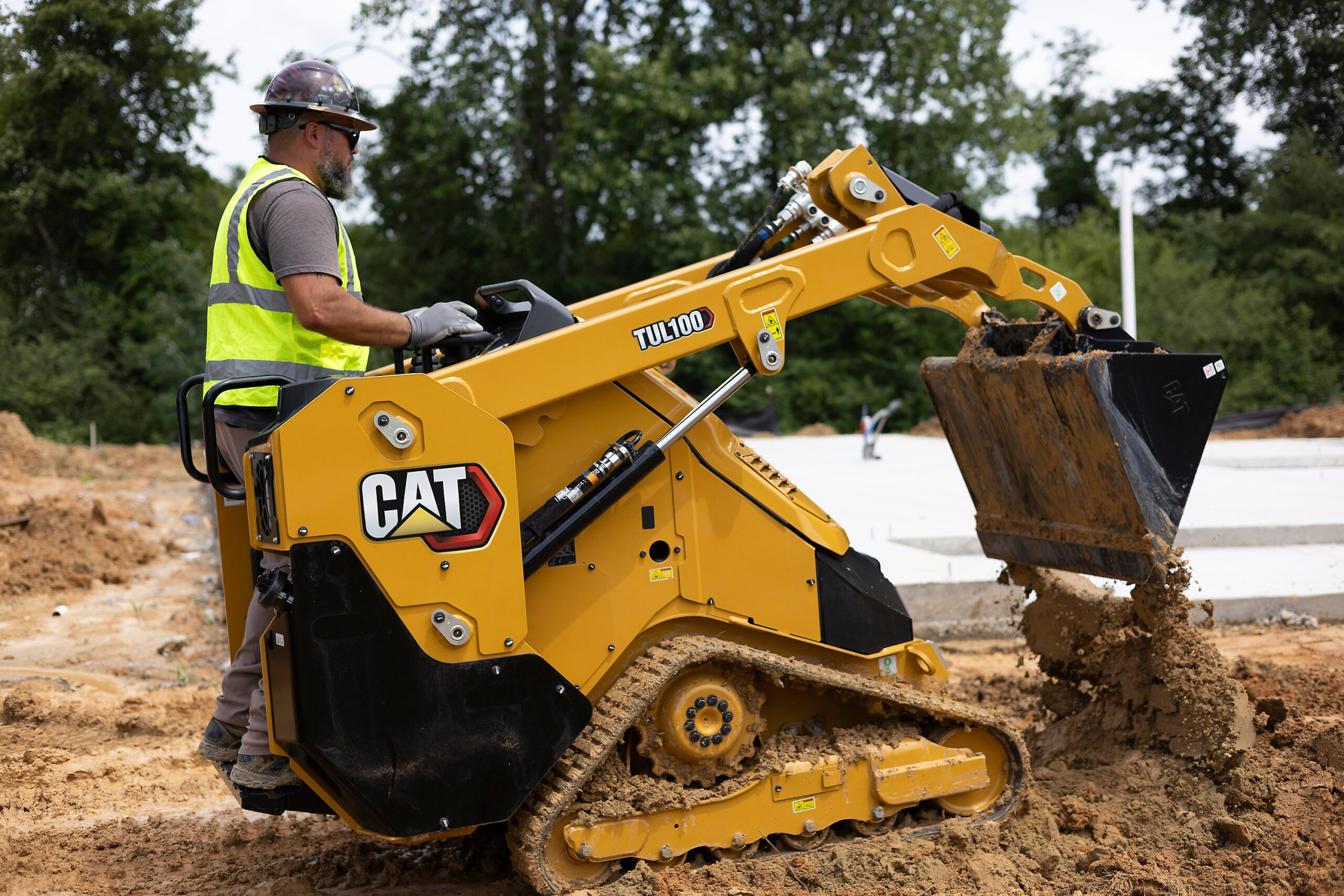
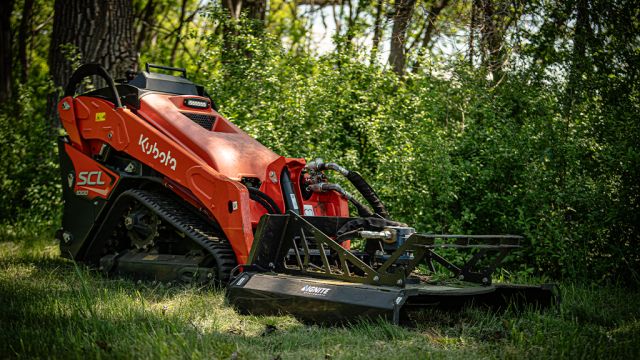
From a sector perspective, our skid and track loaders will continue to see success in the construction, rental and agriculture markets. In 2023, we implemented modular-built mid-frame SSLs and CTLs, and in 2025, we introduced our large-frame SSLs and CTLs – both important milestones that further strengthened our lineup for these markets.
To get a closer look at the new compact loaders, check out Equipment World's video below:
Our dealer-owned rental fleets and regional rentals will further support our growth and demand on U.S.-built products. Our American-built telehandlers are used in the construction and rental space, where we continue to expand our presence and opportunities. We have also received favorable feedback on our products for the ag industry as well.
EW: How are customer requests and feedback shaping the types of equipment or attachments you plan to release next year?
Voice of customer is paramount for us. Every telehandler, SSL and CTL built in the U.S. has been designed and manufactured from customer input and insight, and in response to customer demand. A perfect, and very recent example, is the release of our large frame SSLs and CTLs designed with input from customers – which led us to further engage the forestry industry with the addition of our forestry package to the large frame machines.
EW: What role will emerging technologies—automation, electrification, AI, telematics, etc.—play in your R&D and product launches?
Technology will continue to play a significant role in this industry and the equipment that Manitou Group designs and manufactures. A very close link between the manufacturer and customer guides that. We always listen to our customers’ challenges and keep a pulse on new technology trends that can help provide them with solutions that drive efficiencies in their operations.
EW: How do tariffs, infrastructure funding and broader political factors factor into your strategic planning for 2026?
Our industry and company are not immune when it comes to tariffs or political challenges.
Off-road engines and many other components are sourced out of the U.S. due to suppliers having the ability to provide them in a timely manner. Manitou Group is currently investigating other suppliers in the U.S. for these components; however, it is a 12 to 18-month process to validate their quality with our R&D and engineering departments to ensure the components meet our standards. We have started the process of reshoring but recognize we need to be patient and monitor our production costs along the way.
EW: Do you expect supply chain constraints for components, steel or electronics to ease, worsen or remain steady?
Manitou Group is always keeping its eye on the supply chain landscape, but currently we are not able to provide feedback on this topic.
EW: What’s your outlook on hiring and retaining skilled manufacturing talent in the year ahead?
We are in the early stages of regaining market share and building brand awareness in North America, while also continuing to invest in our manufacturing, operations and sales expansion in 2026 and beyond. We expect momentum across our product suite with the two factories based in South Dakota, where we have completed a four-year investment expansion and recently deployed new product lines for skids/tracks and telehandlers. As a result of these efforts, we will need to hire talent to meet the expanded operations, while also focusing on developing our current employees’ skills to meet new demands.
EW: How are you working with your dealer network to ensure availability, service and customer support?
Our dealer network continues to be a vital channel for Manitou Group, and we’re committed to supporting them with the tools, products and resources they need to succeed. We work closely with our dealers, listening to their feedback and continuously adapting our production and processes to align with market demand.
We’re also investing heavily in our services and technology with the goal of becoming the easiest OEM to partner with in the industry. To strengthen the collaboration, we’ve implemented structured feedback channels and are establishing dealer advisory panels globally. These panels allow us to gain valuable insights directly from our partners, which helps us refine our products, enhance support, and ensure strong availability and service for our shared customers.
EW: How are evolving emissions regulations and customer sustainability goals influencing your product development?
Manitou Group continues to monitor the emissions regulations and our customers’ sustainability goals; however, we are not able to share how that is affecting our product development at this time.
EW: Where do you see the biggest competitive pressure coming from—established OEMs, new entrants or technology companies?
The main threats for Manitou Group in North America continue to be from established OEMs; however, off-shore entrants may also pose a larger challenge as they continue to move into North America.
EW: Looking beyond the next year, what’s your outlook for the global equipment market over the next 3–5 years?
We see that overall construction, ag and industrial equipment will continue to be in demand, especially with the increasing expansion in infrastructure and data centers, along with farmers’ ongoing demand for our products and offerings. The geopolitical landscape will also continue to have an impact on this market, with continuous growth expected in the years to come.
Ilmars Nartish is currently the VIce President of Manitou North America, responsible for driving growth and expansion in North America. Ilmars has been with Manitou since 2007 and was the Managing Director of Manitou Nordics prior to moving to Wisconsin in 2020 with his family. He has a Global Executive MBA and Global Master’s Degree in Finance from the IE Business School in Madrid, Spain.