Taking a Slice of the Shaving Market, One Arizona-made Razor at a Time
Made in a family-run machine shop, OliWorks promises users of its razors an environmentally friendly and American-made shave.
 machineryasia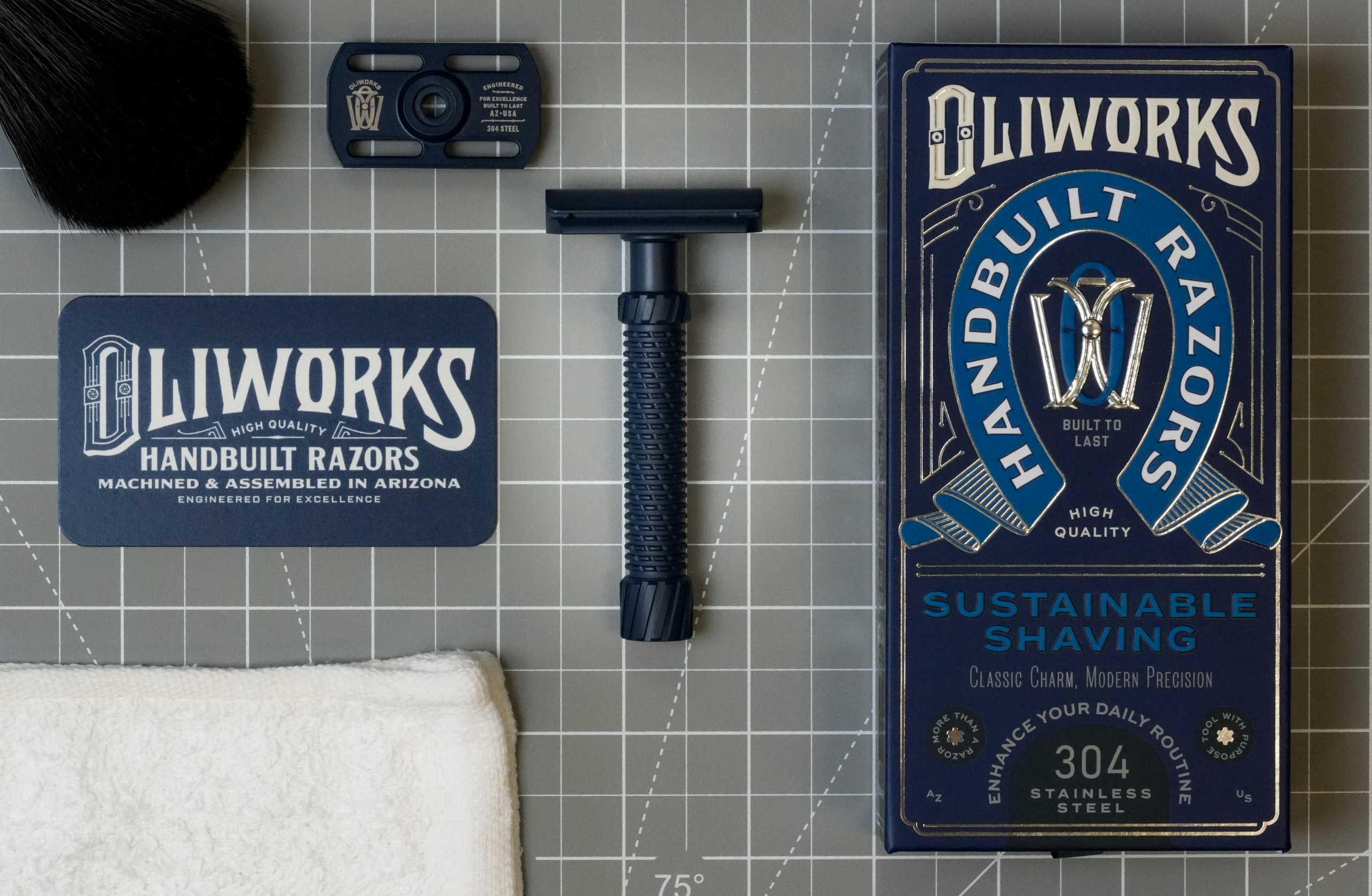
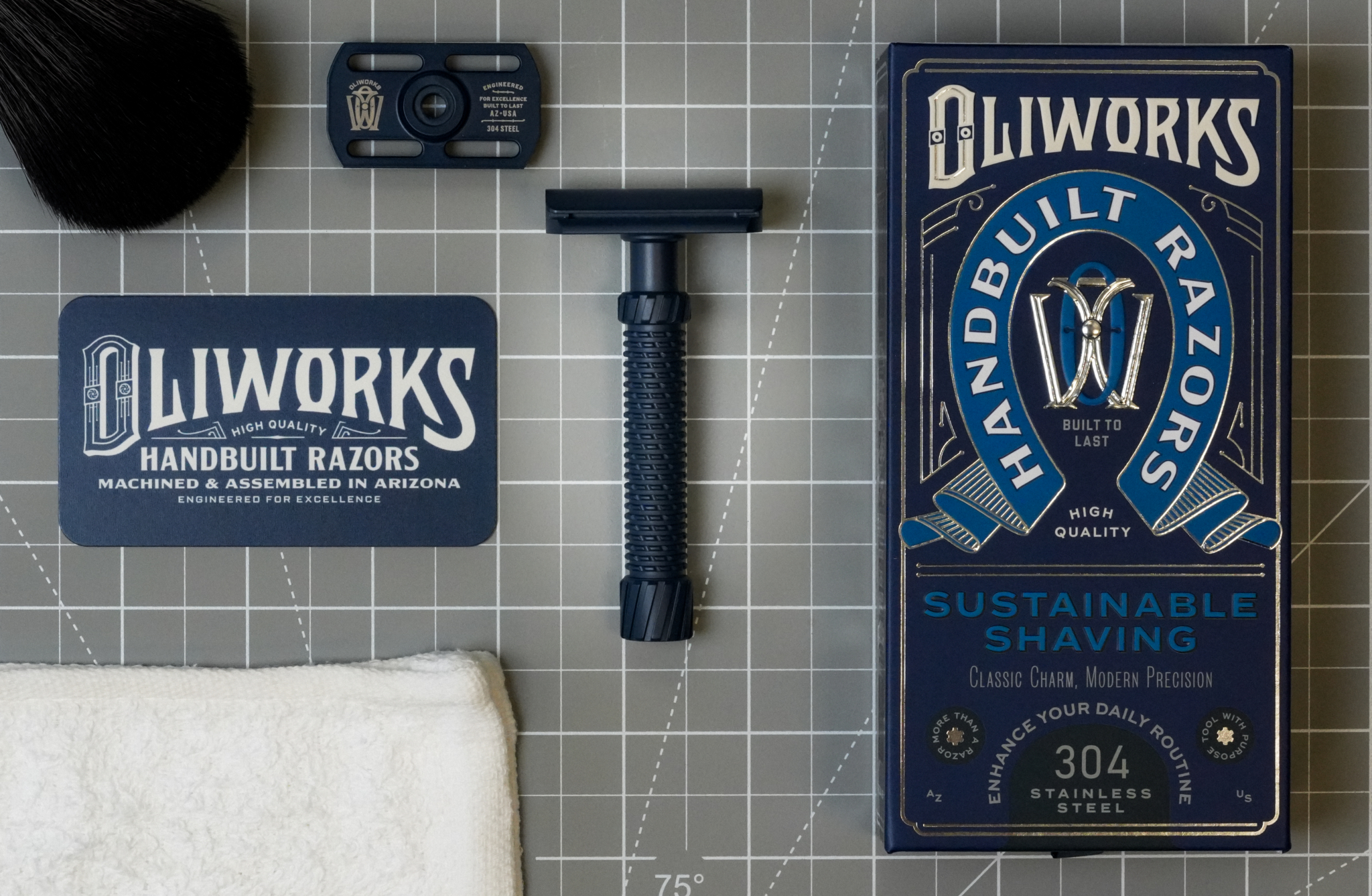
Made in a family-run machine shop, OliWorks promises users of its razors an environmentally friendly and American-made shave.
At the age of 22, Jorge Ochoa, Jr., is an unlikely candidate to be the driving force behind a startup made-in-America company.
He is a master’s student of electrical engineering at Arizona State University and at the same time wears several hats helping to run his family’s machine shop in Mesa, Arizona.
Ochoa, who has likely learned more about machine shop precision from his father Jorge, Sr. than through college, has helped steer a company pivot into making its own brand of shaving razors.
OliWorks is the name of the brand the family has been manufacturing since 2024 at its 10,000 square foot desert facility. His father has run his own machine shop for more than 20 years and Jorge, Jr. and his younger brother Leo want to continue the family business during and after their schooling.
But rather than start from scratch doing contract manufacturing, the family has branched out to become a maker of safety razors.
Nearly 40% of consumers today use the multi-blade cartridge razors made popular by long-time brands Shick and Gillette. These four- or five-blade razor cartridges and the razors themselves are disposable but certainly not good for the environment.
And the shave these razors provide is not nearly as close as the result from a straight or safety razor.
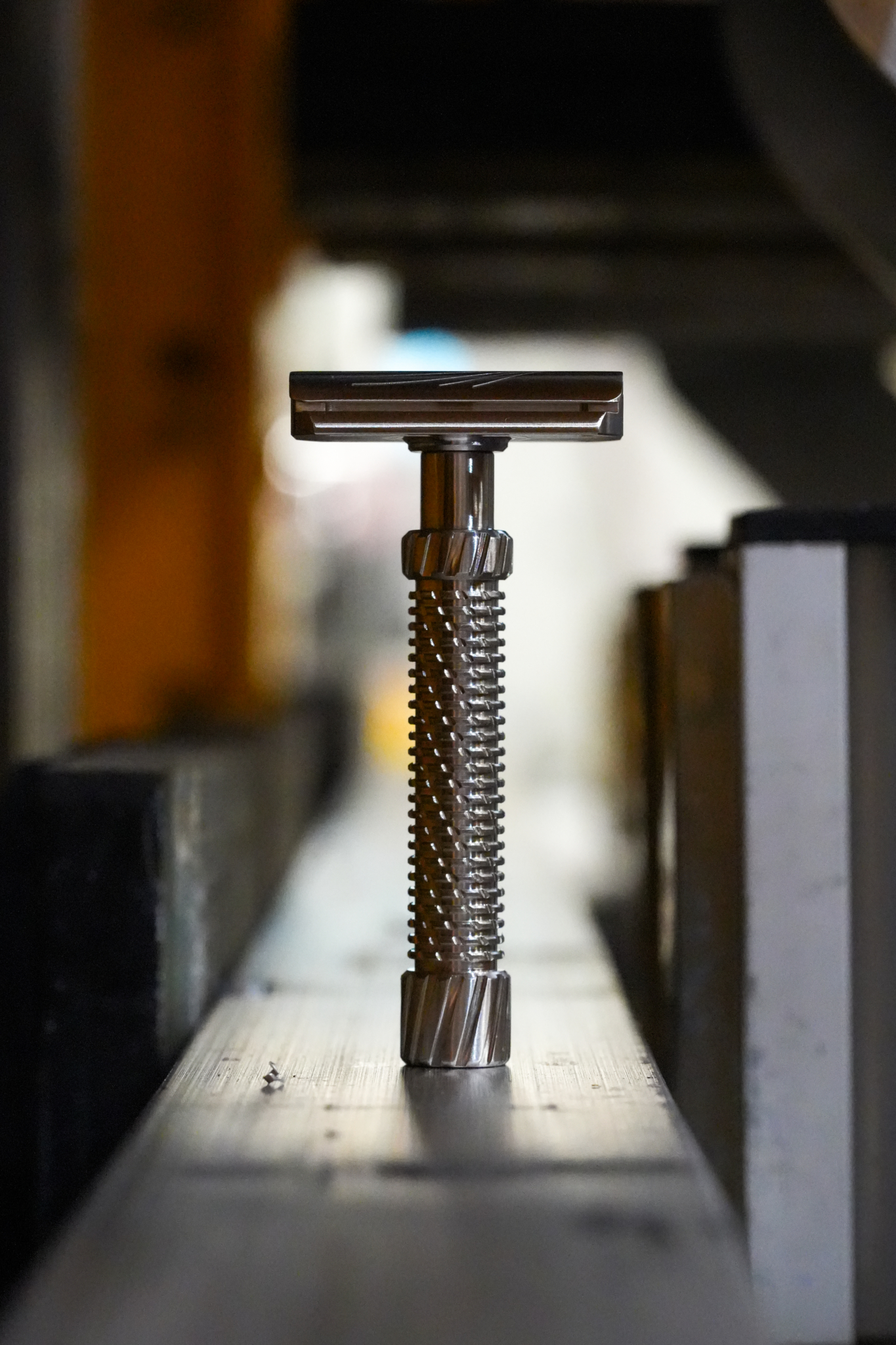
The key is in the manufacturing process.
Most older adults grew up on safety razors but switched to cartridge razors for convenience and shave quality. But with advanced technology and precision cuts from CNC machines, the safety razor is making a comeback of sorts as it has proven to provide a much closer and easier shave.
“Originally, the only razor that could provide a good shave was a straight razor and a lot of people didn’t have access to it because they were afraid of using it and you could only get it at a barber,” said Ochoa, Jr. “Eventually people started coming out with this new kind of razor that could hold a blade. It was called a safety razor because of how easy and accessible it was for anyone to use.
“From there it just started developing into different adjustable razors, butterfly razors and other types of safety razors. A bit after that people started developing cartridge razors so that not only would people buy the razor once, but they would be locked into buying cartridges and that’s become the norm.”
With the advanced developments in precision manufacturing, you could call this resurgence ‘safety razor 2.0.’
“The technology and precision it takes to make these safety razors is a lot better than you would get from any cartridge razor,” said Ochoa, Jr. “Our product is trying to take people back to these safety razors because they shave a lot better and they are better for the environment. It’s better than those five-blade cartridges.
“People say a long time before I used my cartridge razor, I used my safety razor, and I did not like my safety razor. But with the technology we have nowadays, you can’t compare them to safety razors of before. It is a world of difference from the old safety razors.”
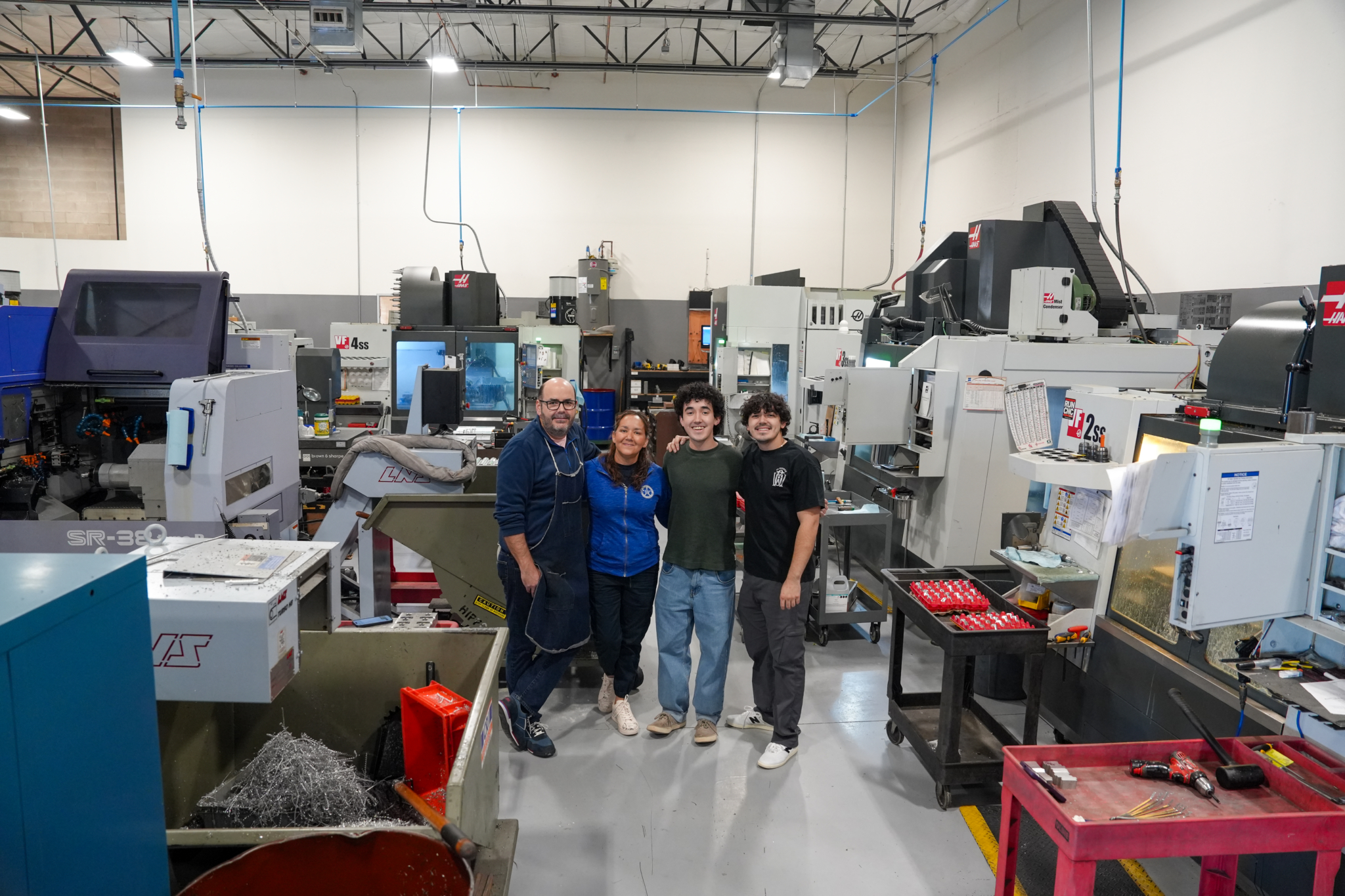
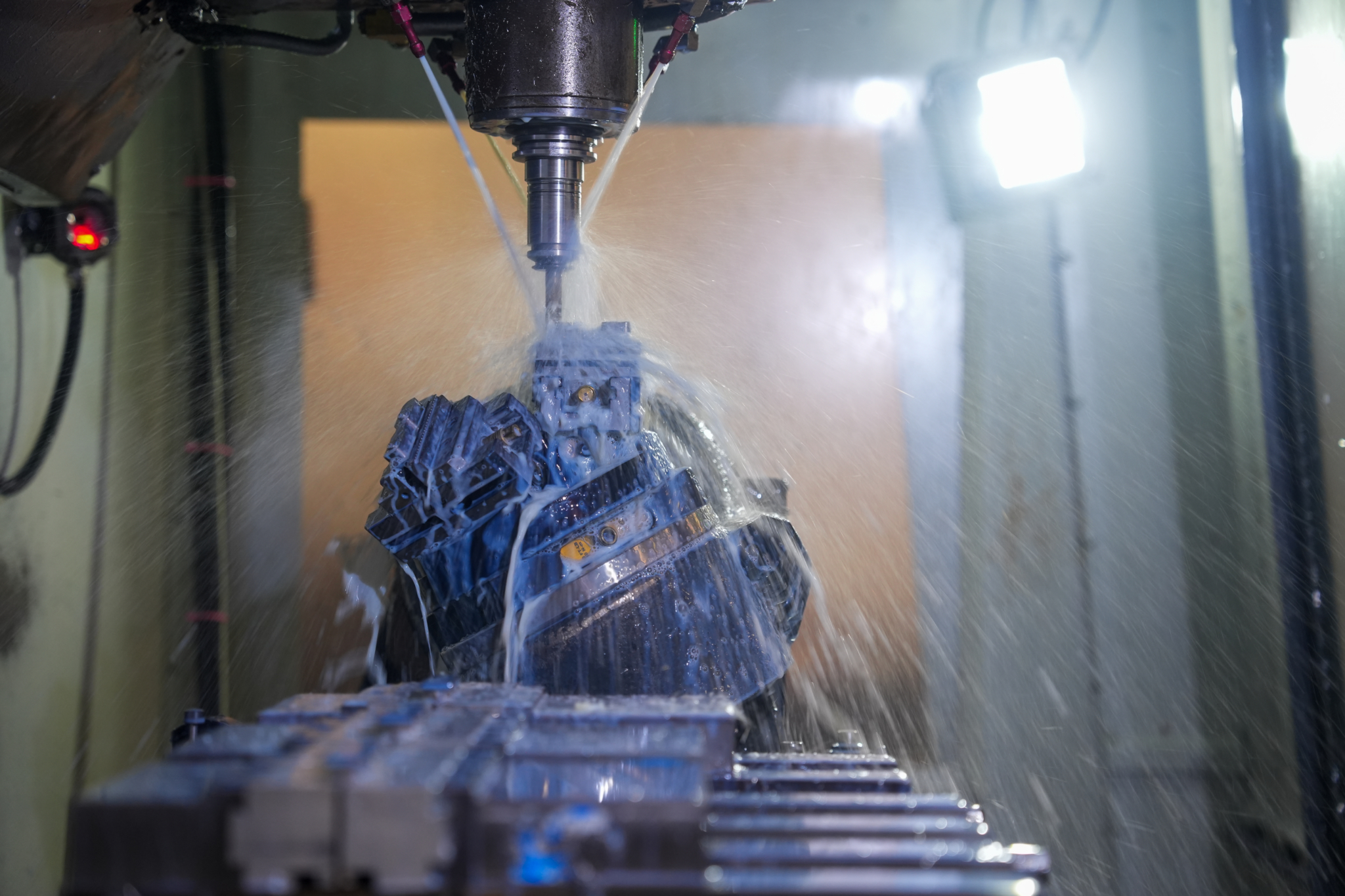
The OliWorks machine shop is equipped with five mills, seven lathes and three saws all working with CNC programming. Ochoa, Jr., his father, mother Sofie and younger brother Leo along with two employees operate the OliWorks production facility.
The Ochoa family is from Calima, Mexico where Jorge, Sr. operated his own contract machine shop before moving to the United States to better serve his customers.
Metal materials for the razors – stainless steel, aluminum and titanium – are sourced from Coast Aluminum, which has several metal making facilities throughout the West Coast and Mexico. OliWorks pays a premium for its stainless steel and aluminum because the company requires all materials to be melted and poured in the USA.
“We get a cylindrical metal bar for the handles and flat bars for the caps and base plates,” said Ochoa, Jr. “We wanted to make sure the metal is American-made and not from somewhere like China. We are committed to American manufacturing.”
For face shaving, men generally use a stainless-steel razor that will glide over the skin without applying much pressure that could damage the epidermis. Ochoa, Jr. says women tend to prefer the aluminum razor because it is lighter and any body hair a woman removes is less coarse than a man’s beard.
The substantial savings in an OliWorks razor comes in the purchasing of the blades.
“What is our biggest customer-convincing point is that the biggest reason people use cartridge razors is they seem easier and cheaper to use,” said Ochoa, Jr. “Both of which, compared to a safety razor, is not true.
“Like the cartridge razors, one of those plastic headcovers cost $5 or $6. Each blade for our safety razor costs 10 cents and they last as long and can be recycled. So, after spending $70 on the razor, which might seem expensive, but in six months of using the blades, it has paid for itself.”
And the blades from a safety razor can be recycled.
“It helps the environment a lot because the throw-away cartridges, like ones that come with a Gillette razor, cannot be recycled,” said Ochoa, Jr. “They can only be recycled if they are split open and the blades are removed from the plastic and they’re separated, but no company does that because it takes too much time and too much effort to do all that.
“Every single cartridge that is used is put into a landfill whereas with the safety razors, the only consumable product is the blade itself. The blade is super thin and can be recycled. The razor itself you’ll never have to throw away or get a new one so there’s never going to be waste there.”
With the help of a laser engraver, OliWorks can customize a razor and recently introduced a line of military branch razors from stainless steel.
It is an ongoing process for the Ochoa family to figure out the logistics of sales, marketing and manufacturing while competing against the throw-away brands.
But Ochoa, Jr., believes there is room in the marketplace for OliWorks.
“We just want a slice of that market,” he added. “Once a customer gets the razor, the biggest complaint we get is that they didn’t pick the razor sooner.”
The Alliance for American Manufacturing does not receive a commission from purchases made through the above links, nor was the organization or author paid for favorable coverage.
Labeling Note: This story is intended to highlight companies that support American jobs and that make great products in the United States. We rely on the companies listed to provide accurate information regarding their domestic operations and their products. Each company featured is individually responsible for labeling and advertising their products according to applicable standards, such as the Federal Trade Commission’s “Made in USA” standard or California’s “Made in USA” labeling law. We do not review individual products for compliance or claim that because a company is listed in the guide that their products comply with specific labeling or advertising standards. Our focus is on supporting companies that create American jobs.
For more on the Federal Trade Commission’s standards for “Made in USA” claims and California’s “Made in USA” labeling law, please also read this guest post by Dustin Painter and Kristi Wolff of Kelly Drye & Warren, LLP.