Slowly and Steadily, This Detroit Knitwear Company Has Mastered Making a Great T-shirt
Corktown-based Soft Goods is balancing private-label manufacturing with its own push into retail. Long before Josh York was running a bustling apparel factory in Detroit’s Corktown neighborhood, he was a kid at the kitchen table making T-shirts with his mom. […]
 machineryasia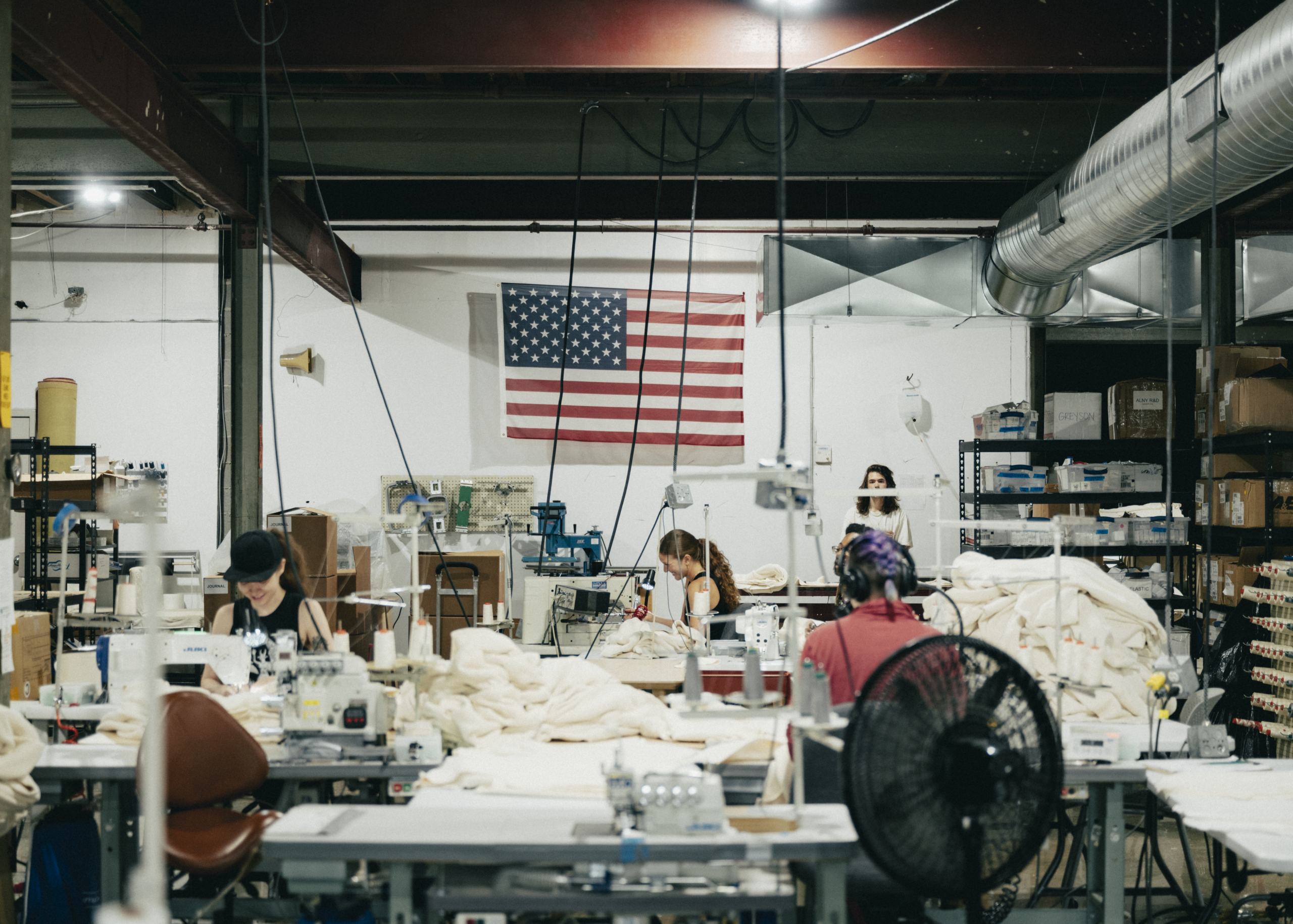
Corktown-based Soft Goods is balancing private-label manufacturing with its own push into retail.
Long before Josh York was running a bustling apparel factory in Detroit’s Corktown neighborhood, he was a kid at the kitchen table making T-shirts with his mom.
At age 12, York was pressing iron-on graphics onto shirts and selling them out of his school locker. What began as a childhood side hustle eventually evolved into merchandise for his college pop-punk band.
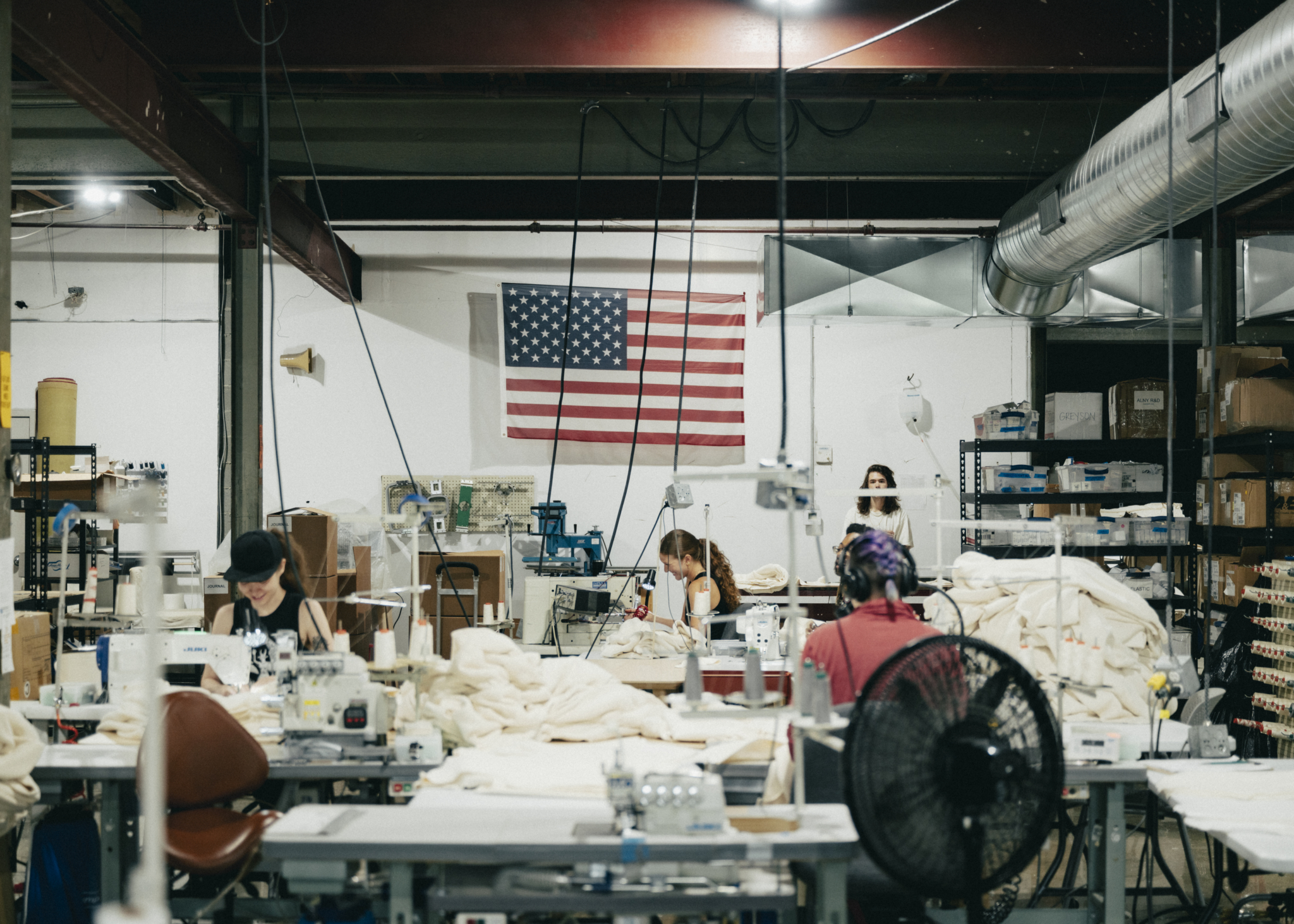
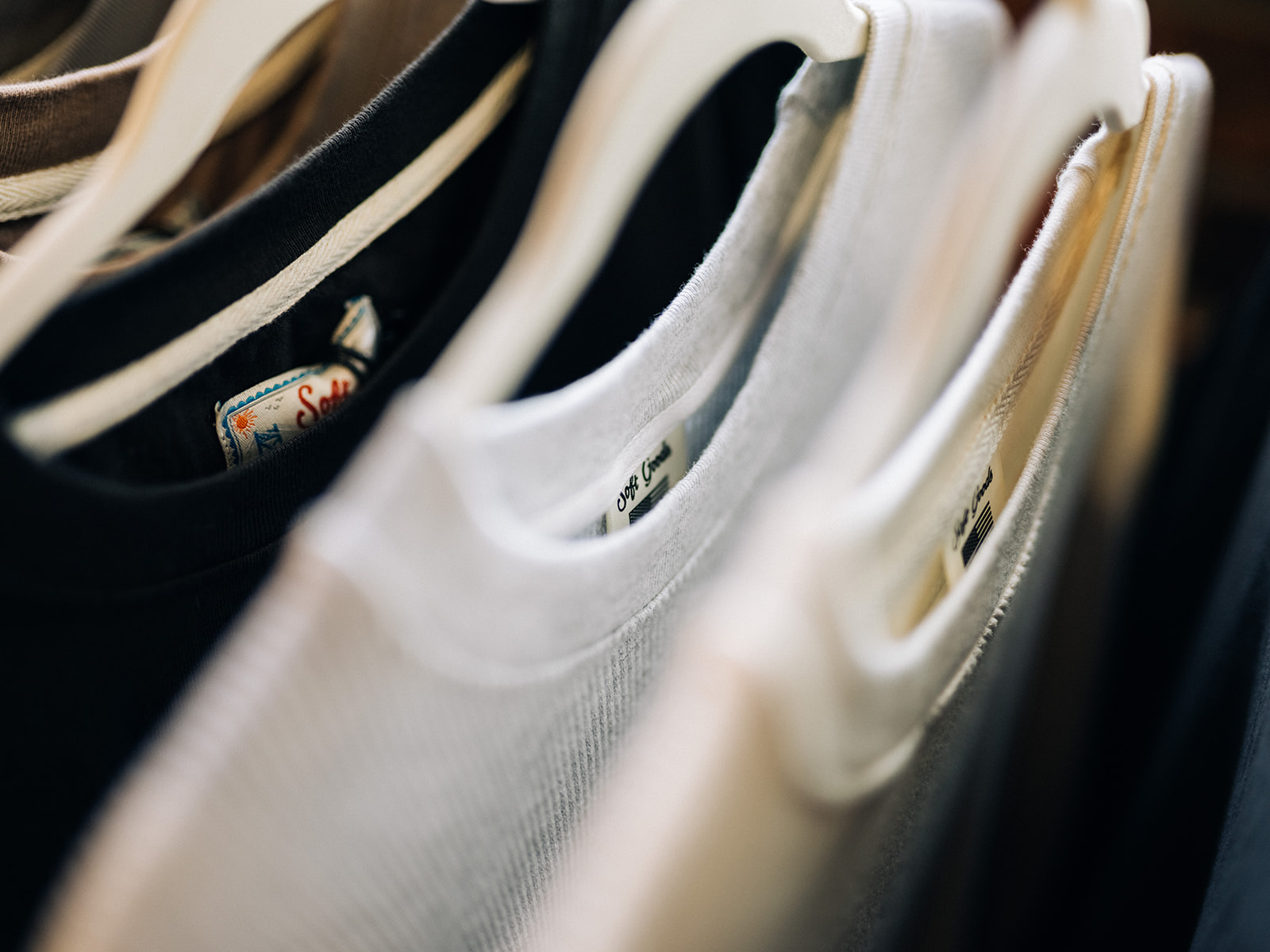
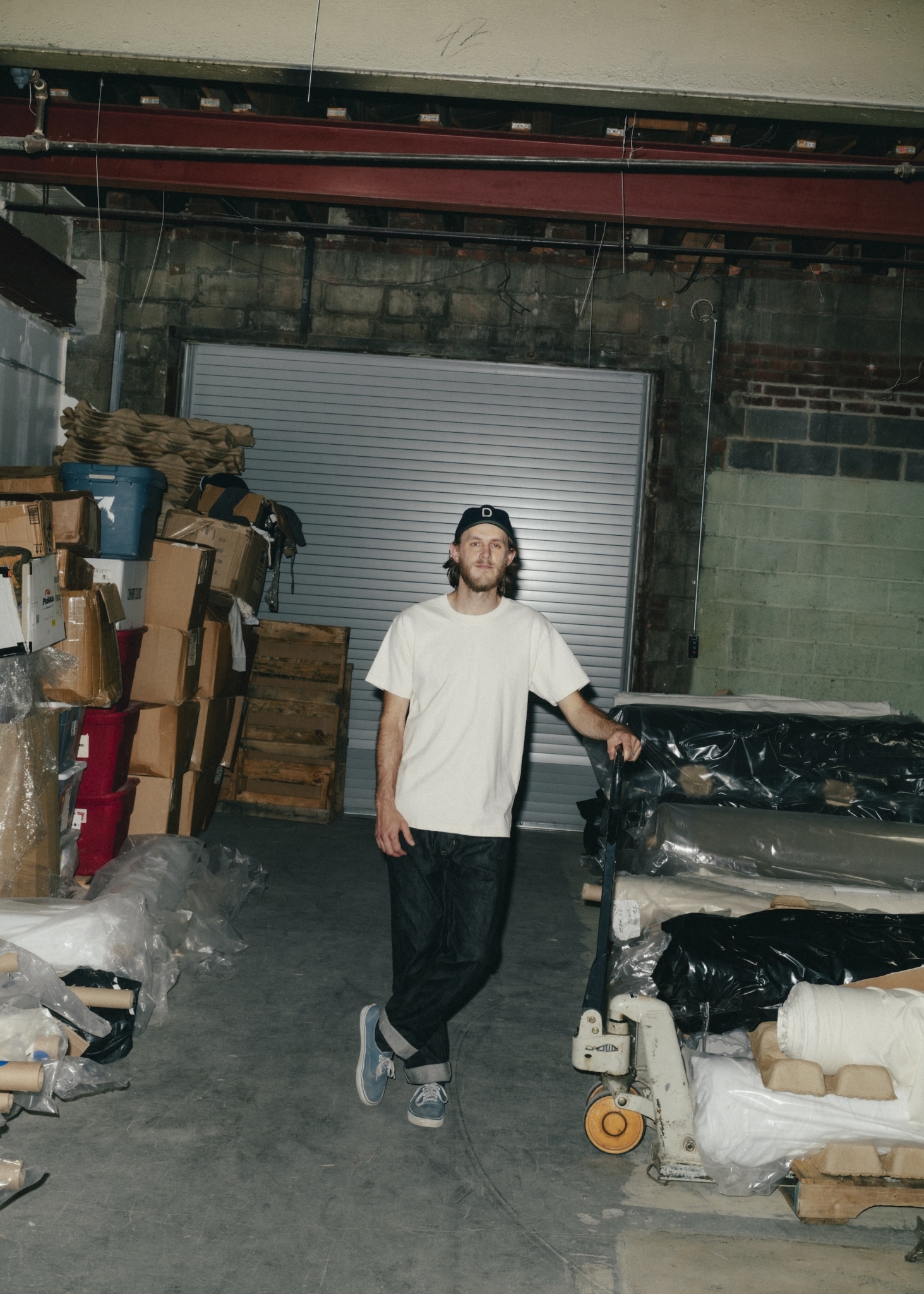
Today, York is the founder and sole owner of Soft Goods, a Detroit-based apparel manufacturer that produces premium T-shirts, sweatshirts, pants, and accessories using domestically sourced cotton fabrics. Operating from a historic brick building in Corktown, the company employs a dozen workers, supplies apparel for brands ranging from Shinola to Greyson Clothiers, and recently launched its own Soft Goods label.
For York, however, the business was never simply about clothing.
“There was and still is this huge movement in Detroit of people trying to rebuild the city,” said York. “The city was at such a low point, and there were so many people doing great things to help build the community back up. My thinking was, I love making clothes. What if I opened a shop in Detroit and hired Detroiters to help build the business and be part of what’s happening here? That was really the push behind starting the factory.”
The path from hobbyist to manufacturer was anything but straightforward.
York graduated from Michigan State University and worked corporate jobs at companies including Grainger, Boeing and Abercrombie & Fitch. But evenings and weekends were consumed by a different passion.
“I was studying T-shirts,” said York. “I was watching YouTube videos of garment factories and trying to learn how products were actually made. It was always my hobby. I’d get home from work and spend hours researching sewing, fabrics, manufacturing processes, whatever I could find. Eventually I got to a point where I thought, if I don’t go for this, I’m probably going to regret it. So, I left my job when I was 24 and decided to give it a shot.”
It was a humble beginning.
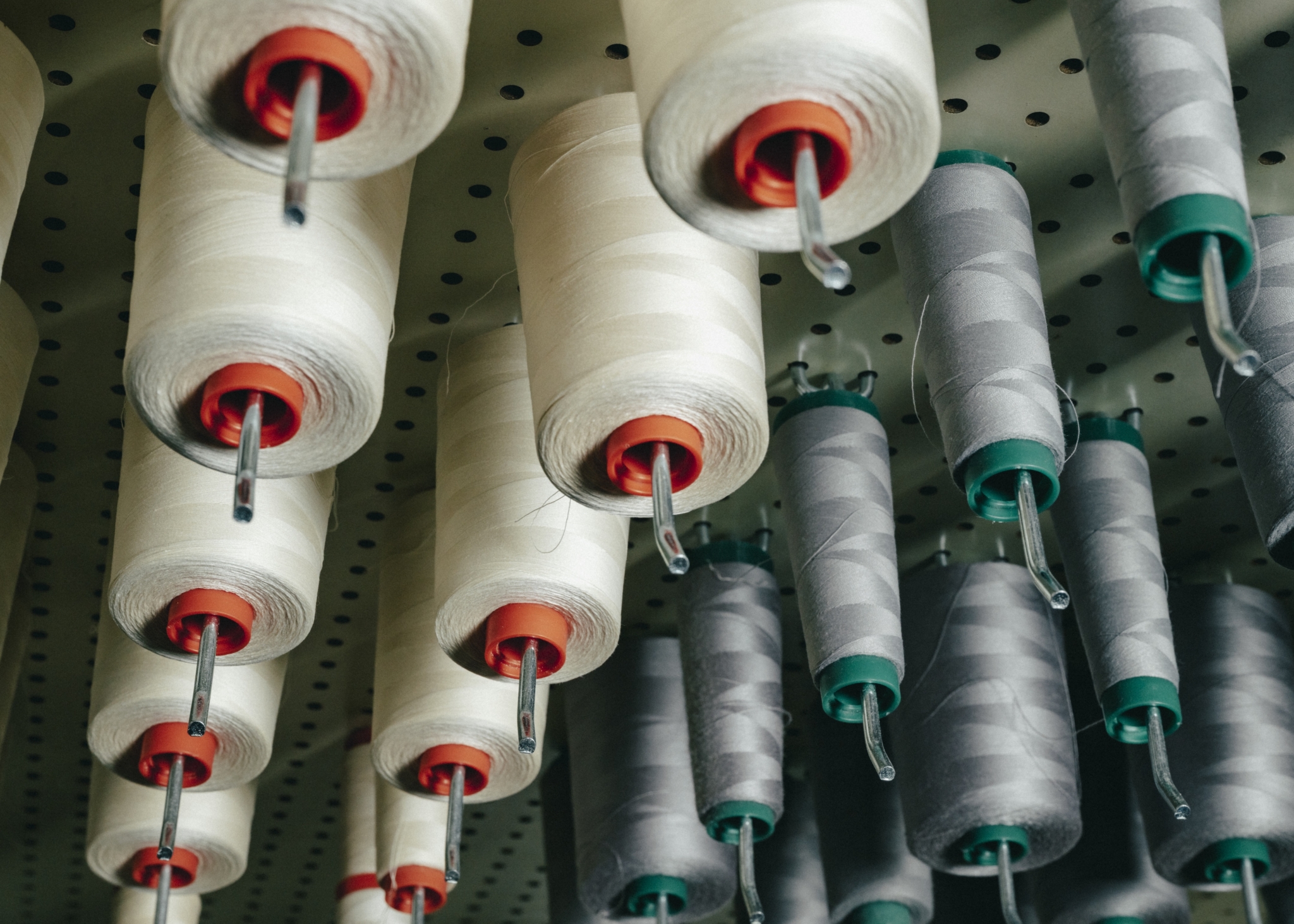
York bought three used industrial sewing machines from a defunct T-shirt company and taught himself how to make garments one at a time.
“It was just me in the beginning,” said York, now 31. “I was sewing one T-shirt every day, trying to understand how to do it at a really high level. My cousin came and worked with me. It was very slow and steady. We weren’t trying to build a factory overnight. We were just trying to make a really good T-shirt.”
Then an opportunity arrived that would change the trajectory of the business. Within months of opening, Detroit lifestyle brand Shinola approached York about producing shirts for its stores.
“It started as maybe a 200-unit contract,” said York. “Then it turned into a thousand-unit contract. They were actually here this morning, nine years later, and we’re still making products for them.
“Shinola has been really good to us. A lot of brands like to tell the story of working with a small American manufacturer and then move on. Shinola never did that. They’ve continued to grow with us and stand by us, and that’s been really meaningful.”
Founded in 2017, Soft Goods has grown at a steady pace over the years. The company factory sits inside a 6,000-square-foot facility and employs workers in sewing, cutting, quality control, fulfillment and production support roles. Many employees are cross-trained to move between tasks as demand fluctuates throughout the year.
The facility itself sits in a building that reflects Detroit’s industrial evolution.
“We’re in an old car-parts factory in Corktown,” said York. “It’s funny because Carhartt’s story started in a second-story warehouse in Detroit manufacturing garments, and that’s kind of our story too. We’re in a second-floor warehouse in an old industrial building. All these old brick factory buildings around Detroit are being repurposed in different ways, and we were able to slide in, turn the lights back on and keep making things.”
Soft Goods is an exclusive manufacturer of knitwear. Every T-shirt, sweatshirt, thermal and jersey pant is cut and sewn from American-made cotton fabrics sourced from mills in North Carolina and California.
York says customers have become increasingly interested in understanding where those products originate.
“When I started doing this nine years ago, I had to practically beg people to try our products,” said York. “I had to explain why it cost more and why there was value in it. Today you barely have to explain it. People understand. It’s still not for everyone because Made In America products cost more, but the people who get it really get it. It’s not a crazy idea anymore.”
That shift in consumer attitudes has translated into growth. The company grew 76% in 2025 and is on pace for a similar year. Meanwhile, Soft Goods recently launched its own branded apparel line, which already accounts for about 30% of revenue.
York believes balancing private-label manufacturing alongside the company’s own products is critical to long-term success.
“For years we thought you had to pick one lane,” he said. “Either you’re a private-label manufacturer or you’re your own brand. What I’ve learned is that the right answer is both. If online sales slow down, maybe wholesale picks up. If one region isn’t buying, another one is growing. Manufacturing is hard enough on its own. Diversification is really the key. You have to spread your wings, but not so much that you lose focus.”
While much of the production happens in Detroit, York has built partnerships with other manufacturers in Pennsylvania, Illinois, New York, Ohio and elsewhere to help manage surges in demand or specialty production processes.
“We’ve stopped playing the game of trying to hire lots of people for one giant order and then shrink back down afterward,” said York. “Instead, we’ve built relationships with really great factories. One company might handle garment dyeing. Another might have capacity when we don’t. Collectively, we can get big jobs done, and everybody benefits. None of us may be large enough individually, but together we can compete.”
Today, the company is preparing for its biggest push yet into retail. Fifteen stores across the United States will carry Soft Goods products this fall, while international demand continues growing, particularly in Japan and South Korea.
York believes customers are responding to more than just the garments themselves.
“I think people are connecting with the story,” said York. “We’ve got the quality dialed in. We’ve spent nine years getting the products right. Now it’s about helping people understand where it’s made, how it’s made and who made it. People seem to really care about that, and it’s exciting because I’ve been working my butt off for nine years to get to this point.”
As the father of three children, including a newborn this summer, York says the company’s mission feels more personal than ever.
“We’re making things in our community and employing people in our community,” said York. “There’s a lot of meaning in that. People talk about somebody feeding their family with their job, and that’s literally what we’re doing. Not just here in Detroit, but through all the manufacturing partners we work with around the country. We’ve built a system that helps keep production here instead of sending it overseas. I’m really proud of that.”
For York, the choice to manufacture in America has never been negotiable.
“Could we make things cheaper overseas? Sure,” he said. “But then we’re not the same company anymore. We are a group of people making great products in America. That’s our identity. That’s our story. If we move production overseas, we’re something completely different.”
The Alliance for American Manufacturing does not receive a commission from purchases made through the above links, nor was the organization or author paid for favorable coverage.
Labeling Note: This story is intended to highlight companies that support American jobs and that make great products in the United States. We rely on the companies listed to provide accurate information regarding their domestic operations and their products. Each company featured is individually responsible for labeling and advertising their products according to applicable standards, such as the Federal Trade Commission’s “Made in USA” standard or California’s “Made in USA” labeling law. We do not review individual products for compliance or claim that because a company is listed in the guide that their products comply with specific labeling or advertising standards. Our focus is on supporting companies that create American jobs.
For more on the Federal Trade Commission’s standards for “Made in USA” claims and California’s “Made in USA” labeling law, please also read this guest post by Dustin Painter and Kristi Wolff of Kelly Drye & Warren, LLP.