Shipbuilding Policy “essential” to Revitalizing Domestic Industry, Panelists Tell Senators
There was a lot of bipartisan agreement on a Senate Commerce subcommittee this week regarding the SHIPS for America Act.
 machineryasia
There was lots of bipartisan agreement on a Senate Commerce subcommittee this week regarding the SHIPS for America Act.
A U.S. Senate subcommittee hearing this week provided a platform to talk about important federal legislation to help revive the domestic shipbuilding industry. And it was notable for how bipartisan it was.
After all, an ongoing budget stalemate between congressional Republicans and Democrats in Washington, DC has caused a government shutdown to stretch for close to a month.
That partisanship, however, contrasted with the discourse inside the subcommittee’s hearing room.
“Three things that I think are critical for success in this town: White House leadership, appropriated dollars, and legislative action that is bipartisan,” said Sen. Dan Sullivan (R-AK), the chair of the Commerce committee’s subcommittee on Coast Guard, Maritime, and Fisheries. “I think that we have the beginnings of all three of these on shipbuilding.”
“Shipbuilding is a bipartisan issue,” concurred Sen. Maria Cantwell (D-Wash) a few minutes later, “and we all agree that we need to do more to have American-built and American-crewed ships to expand global trade, protect our supply chain, and bolster national security.”
The hearing’s panel was also largely in agreement about the United States’ shrunken share of the global shipbuilding industry, and about how passing the SHIPS for America Act is key to reclaiming some of it. Co-sponsored by Sens. Mark Kelly (D-Ariz) and Todd Young (R-Ind), the legislation would dedicate funds collected by Section 301 remedies – like port fees for vessels built by China’s heavily subsidized shipbuilding industry – to revitalizing the shipbuilding industrial base and expanding its workforce. It would also expand the U.S. flagged international fleet with more American-made vessels and would require more cargo and goods to be moved on American-made ships.
The SHIPS for America Act is “essential,” said Dr. Salvatore Mercogliano, an academic that studies maritime industrial policy at Campbell University in North Carolina.
“Reviving the U.S. maritime industry is not merely an economic or industrial challenge,” Mercogliano said. “It is a matter of national security and global competitiveness.”
That global competitiveness would be bolstered by deeper domestic supply chains that an enormous market signal like the SHIPS for America Act would help develop. Panelists warned they’ve grown very weak.
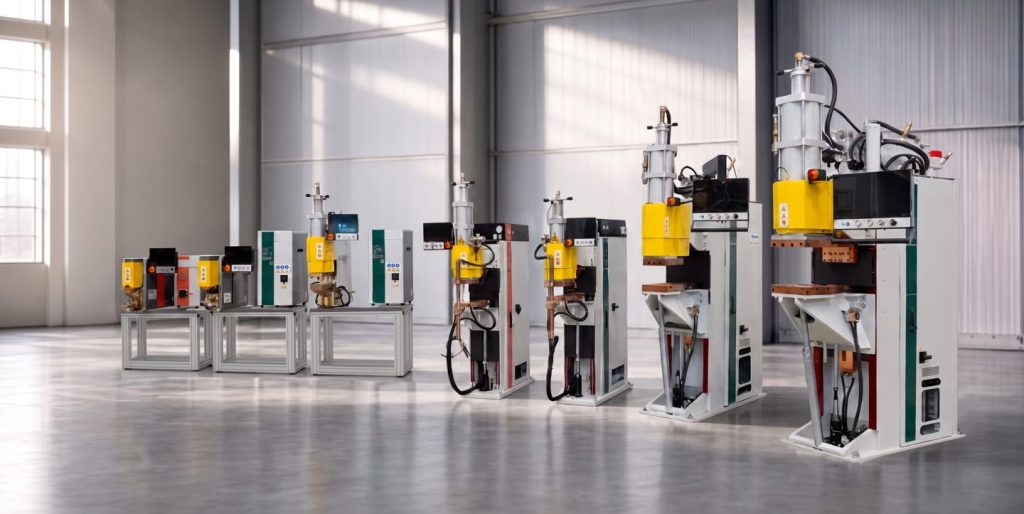
“If you look for example anything from pumps to machinery our supply chain in the United States is very vulnerable,” Mercogliano said. “They’re down to sometimes one small manufacturer that is building parts for both commercial and naval vessels. And we’ve seen that down to the third level below the shipyards, below their suppliers.”
Sen. Tammy Baldwin (D-WI), a longtime advocate for domestic shipbuilding, noted that China so far this year has made more than 700 large commercial vessels while the United States has made just one. Baldwin asked Shipbuilders of America President Matt Paxton how much manufacturers currently utilize inland workforces like those along the Great Lakes, and Paxton noted that hundreds of smaller and specialized vessels are built every year on inland waterways. But Paxton went on, envisioning what a shot in the arm for commercial shipbuilding would likely mean.
“I do think going forward if we are doing something like the SHIPS for America Act, you’re going to see something that they’re calling now distributed shipbuilding, where you see modules and structural assemblies being built in non-traditional areas – not in your normal coastline shipyard areas. That’s a good thing, trying to get that entire industrial base in on it, where we can parse out pieces,” he said.
The SHIPS for America Act would help maritime manufacturing industries stretch inland, benefiting economies that aren’t just along our coasts. That’s another reason it’s got bipartisan support.
You can tell your legislators to support the SHIPS for America Act via this petition. And you can watch the whole subcommittee hearing on YouTube: