Protecting Soil and Groundwater: Best Practices for Septic System Installation
A well-designed septic system is one of the most important yet overlooked parts of residential infrastructure. Beneath every thriving rural or suburban home lies a network of pipes, tanks, and filtration zones quietly managing wastewater before it can harm the surrounding environment. When a septic system functions correctly, it protects soil fertility, prevents contamination, and […] The post Protecting Soil and Groundwater: Best Practices for Septic System Installation appeared first on World Construction Today.
 machineryasia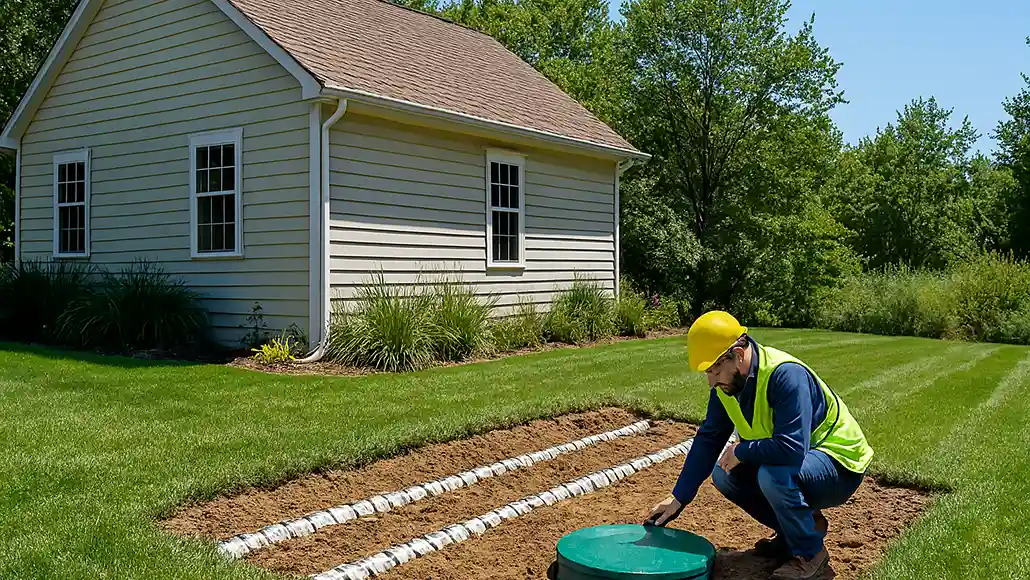
A well-designed septic system is one of the most important yet overlooked parts of residential infrastructure. Beneath every thriving rural or suburban home lies a network of pipes, tanks, and filtration zones quietly managing wastewater before it can harm the surrounding environment. When a septic system functions correctly, it protects soil fertility, prevents contamination, and supports long-term sustainability. When it fails, the consequences can be costly both for property owners and for local ecosystems.
Why Soil and Groundwater Protection Matters
Soil and groundwater are natural filters for the planet’s freshwater supply. Contamination from leaking or poorly installed septic systems introduces harmful bacteria, nitrates, and chemicals into these resources. Once polluted, groundwater can take decades to recover. Protecting these elements begins with proper design, careful site evaluation, and consistent maintenance steps that ensure wastewater is treated safely before re-entering the environment.
A septic system’s performance depends largely on how well it matches local soil conditions. Heavy clay soil drains slowly, while sandy soil drains too quickly, potentially allowing untreated effluent to reach groundwater. Conducting a percolation or soil-absorption test before installation provides critical data for choosing the right system type and drain-field size. Builders and homeowners who skip this step often face failures within just a few years.
Design Principles for a Sustainable Septic System
Design should always follow function. A sustainable system starts with an accurate calculation of daily wastewater flow based on household size and usage patterns. Oversized systems are wasteful, but undersized ones become overloaded, forcing solids and grease into the drain field. Incorporating effluent filters, access risers, and distribution boxes helps maintain balanced flow and simplifies maintenance.
Equally important is proper tank placement. The tank should be positioned downhill from the home but uphill from the drain field to promote gravity flow. Adequate setbacks from wells, lakes, and property lines are not optional; they’re protective barriers that keep pollutants contained. Every region has its own spacing regulations, and adhering to them safeguards both the homeowner’s property and the wider community.
Installation Techniques that Safeguard the Environment
During installation, small details have lasting environmental consequences. Excavation should disturb as little soil structure as possible to preserve natural drainage patterns. Heavy machinery must avoid compacting the drain-field area; compacted soil reduces oxygen levels, slowing the biological processes that break down waste. Laying perforated pipes on a uniform gravel bed encourages even distribution of effluent throughout the field.
Moisture conditions matter too. Installing systems in saturated ground often leads to smeared trench walls and poor percolation. Ideally, installation takes place in dry weather when the soil is stable. After backfilling, gentle grading ensures that surface water flows away from the tank and field, reducing hydraulic pressure that could push untreated effluent to the surface.
At this stage, the expertise of experienced septic system installers becomes invaluable. Professionals who understand local codes, soil behaviour, and modern equipment choices can anticipate challenges that a general contractor might overlook. Their precision ensures tanks are level, connections are watertight, and inspection ports remain accessible for future servicing. Skilled installation not only extends the life of the system but also prevents contamination events that might otherwise go undetected until it’s too late.
Maintenance: The Lifelong Protection Plan
Even the best-installed system fails without maintenance. Regular inspections, typically every one to three years, help identify sludge build-up or early signs of drain-field saturation. Pumping the tank before solids reach the outlet tee prevents blockages and prolongs drain-field life. Homeowners should keep accurate records of all maintenance visits, pump-outs, and component replacements. These logs become essential when selling the property or troubleshooting future problems.
Water conservation inside the home is another overlooked defence against groundwater pollution. Fixing leaks, using low-flow fixtures, and spacing out laundry loads prevent sudden surges of water that can overload the tank. Reducing harsh chemical use also supports the natural bacterial ecosystem inside the tank, which is responsible for breaking down organic waste.
Innovations and Emerging Best Practices
Septic technology is evolving. Aerobic treatment units, advanced filters, and alarm systems now allow for cleaner effluent and easier monitoring. Smart sensors can alert homeowners when the tank is nearing capacity or when abnormal flow rates occur. In areas with shallow water tables, raised-bed or mound systems provide added protection by increasing the vertical separation between effluent and groundwater. While these technologies add upfront cost, they significantly reduce long-term environmental risk.
Landscaping choices also contribute to system performance. Deep-rooted trees near the drain field can invade and clog pipes, while shallow-rooted grasses and native plants stabilize the soil surface without interference. Avoiding heavy structures, driveways, or patios over septic zones prevents compaction and structural damage.
Community Awareness and Education
Protecting soil and groundwater isn’t solely an individual responsibility. Local governments and environmental organizations can promote education campaigns that teach homeowners how their daily habits affect groundwater quality. Simple actions such as keeping records, scheduling inspections, and avoiding harsh chemicals collectively prevent contamination at a community scale. Public workshops, rebate programs for inspections, and certification standards for installers all reinforce environmental protection goals.
As residential development expands outward from cities, septic systems will remain a critical infrastructure component. Each properly installed and maintained system prevents thousands of gallons of wastewater from polluting local aquifers every year. It’s a silent but powerful contribution to public health and sustainability.
At the end of the day, long-term environmental protection comes down to responsibility and skill. Homeowners, builders, and regulators must work together to uphold installation standards that respect natural processes and safeguard water resources. When communities partner with reliable septic technicians, they ensure that both present and future generations can depend on clean soil and safe groundwater for years to come.
The post Protecting Soil and Groundwater: Best Practices for Septic System Installation appeared first on World Construction Today.