Multi-Energy Solutions for Urban Construction Sites
Colas, TotalEnergies and Volvo are developing mobile electric solutions to reduce emissions from urban construction projects. www.volvoce.com On May 20, 2026, during the 8th edition of the Community of Sustainable Equipment Stakeholders (CAMD) Meetings held in Nanterre, France, Colas, TotalEnergies, Volvo CE and Volvo Trucks signed a partnership agreement aimed at accelerating the energy transition of construction activities. The cooperation focuses on deploying multi-energy solutions designed to reduce carbon emissions from urban construction sites and limit the use of conventional diesel-powered equipment. Applications and Operational Challenges The partnership primarily targets urban infrastructure and construction projects in densely populated environments, where constraints related to noise, atmospheric emissions and energy supply require adapted technical solutions. Among the first use cases is a pilot project in the Lyon region involving a mobile electric charging system intended to supply power directly to electric construction equipment and vehicles on site. The solution will be tested by the teams of the Colas Saint-Priest agency to evaluate its integration under real operating conditions. The objective is to reduce dependence on diesel generators while improving energy availability for electric equipment used on urban construction sites. Division of Technical Responsibilities Within the partnership, TotalEnergies contributes its expertise in low-carbon energy supply and “edge-to-edge” delivery logistics, enabling energy resources to be delivered as close as possible to operational work areas. Volvo CE and Volvo Trucks provide connected electric construction equipment and commercial vehicles adapted to the requirements of urban worksites. The solutions include electric machinery intended for excavation and transport operations. Colas acts as the construction site operator and is responsible for evaluating operational use cases, equipment integration and the specific constraints associated with high-density urban environments. Energy Infrastructure and Decarbonization The partnership forms part of a broader decarbonization strategy already implemented between Colas and TotalEnergies across several construction projects. Existing measures include the use of HVO biofuels for thermal vehicle fleets, deployment of charging infrastructure powered by electricity certified from renewable sources, and installation of solar power plants on selected Colas sites to improve energy autonomy. According to Eric Plouzennec, Equipment Performance Director at Colas Group: “By bringing together Colas, TotalEnergies, Volvo CE and Volvo Trucks around mobile charging solutions and electric machinery, this partnership marks a new step in the decarbonization of urban construction sites and is part of Colas’ low-carbon roadmap.” The partners intend to use the results of the pilot projects to progressively expand this low-carbon ecosystem to other urban construction sites in France and internationally. Edited by Maria Brueva, Induportals editor – adapted by AI. www.volvoce.com Powered by Induportals Media Publishing
 machineryasia
Colas, TotalEnergies and Volvo are developing mobile electric solutions to reduce emissions from urban construction projects.
www.volvoce.com
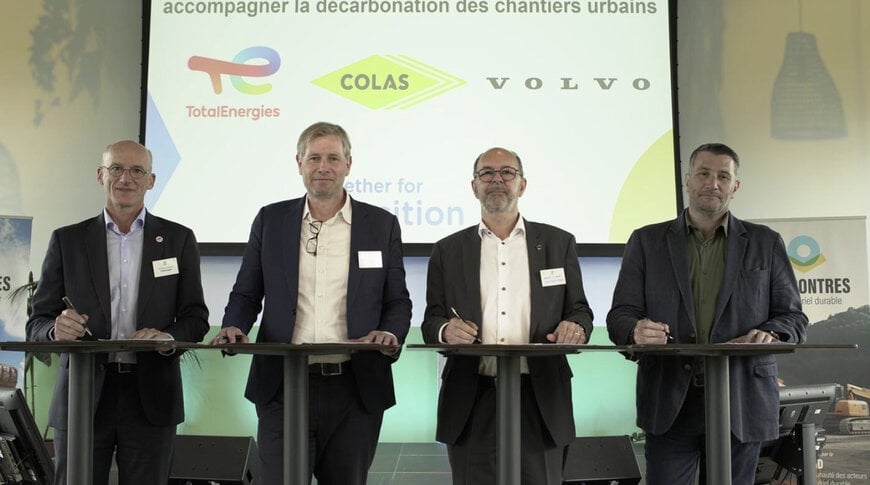
On May 20, 2026, during the 8th edition of the Community of Sustainable Equipment Stakeholders (CAMD) Meetings held in Nanterre, France, Colas, TotalEnergies, Volvo CE and Volvo Trucks signed a partnership agreement aimed at accelerating the energy transition of construction activities. The cooperation focuses on deploying multi-energy solutions designed to reduce carbon emissions from urban construction sites and limit the use of conventional diesel-powered equipment.
Applications and Operational Challenges
The partnership primarily targets urban infrastructure and construction projects in densely populated environments, where constraints related to noise, atmospheric emissions and energy supply require adapted technical solutions.
Among the first use cases is a pilot project in the Lyon region involving a mobile electric charging system intended to supply power directly to electric construction equipment and vehicles on site. The solution will be tested by the teams of the Colas Saint-Priest agency to evaluate its integration under real operating conditions.
The objective is to reduce dependence on diesel generators while improving energy availability for electric equipment used on urban construction sites.
Division of Technical Responsibilities
Within the partnership, TotalEnergies contributes its expertise in low-carbon energy supply and “edge-to-edge” delivery logistics, enabling energy resources to be delivered as close as possible to operational work areas.
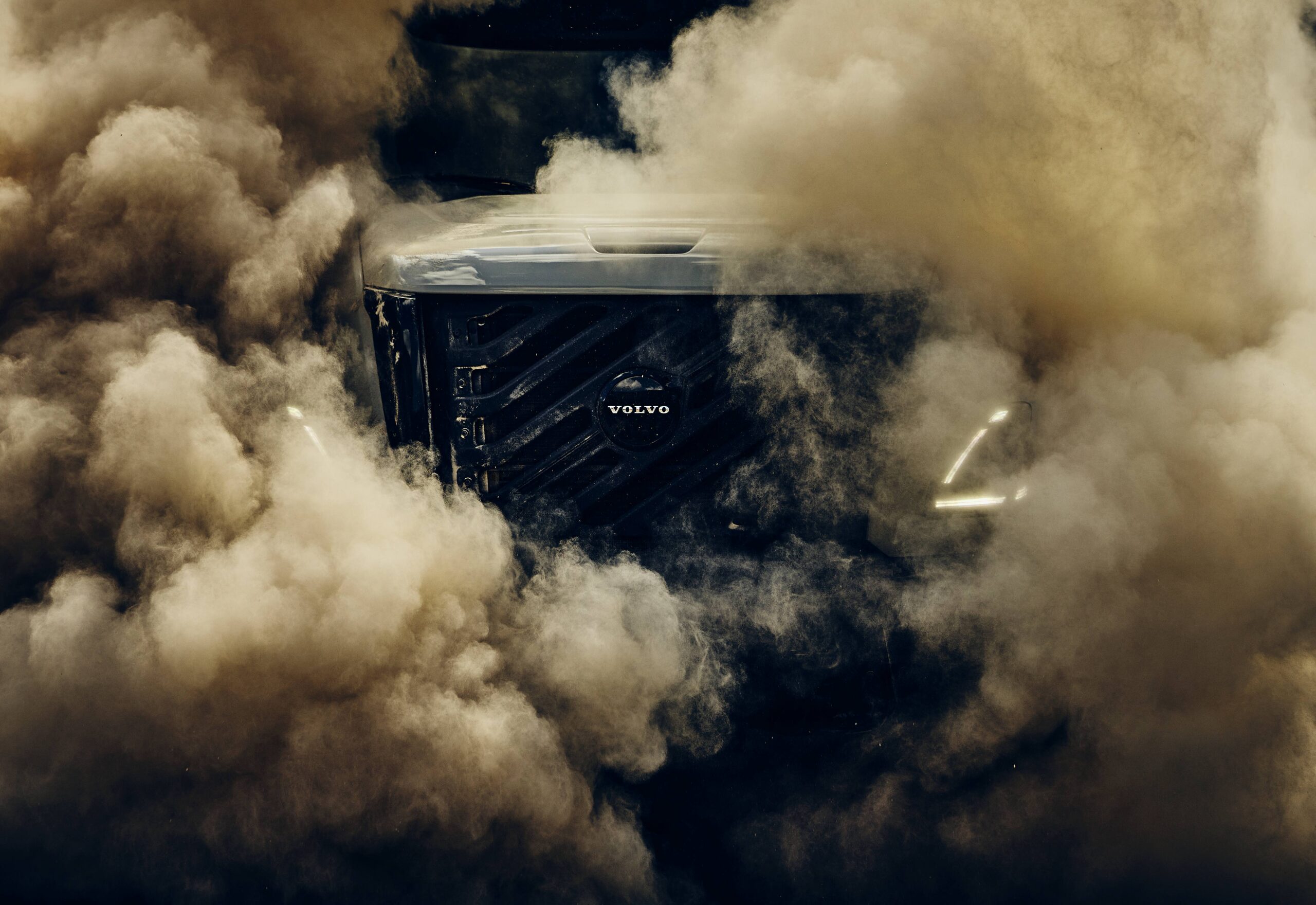
Volvo CE and Volvo Trucks provide connected electric construction equipment and commercial vehicles adapted to the requirements of urban worksites. The solutions include electric machinery intended for excavation and transport operations.
Colas acts as the construction site operator and is responsible for evaluating operational use cases, equipment integration and the specific constraints associated with high-density urban environments.
Energy Infrastructure and Decarbonization
The partnership forms part of a broader decarbonization strategy already implemented between Colas and TotalEnergies across several construction projects. Existing measures include the use of HVO biofuels for thermal vehicle fleets, deployment of charging infrastructure powered by electricity certified from renewable sources, and installation of solar power plants on selected Colas sites to improve energy autonomy.
According to Eric Plouzennec, Equipment Performance Director at Colas Group: “By bringing together Colas, TotalEnergies, Volvo CE and Volvo Trucks around mobile charging solutions and electric machinery, this partnership marks a new step in the decarbonization of urban construction sites and is part of Colas’ low-carbon roadmap.”
The partners intend to use the results of the pilot projects to progressively expand this low-carbon ecosystem to other urban construction sites in France and internationally.
Edited by Maria Brueva, Induportals editor – adapted by AI.
www.volvoce.com
Powered by
Induportals Media Publishing