Mobile Screening Plants Improve Material Processing at Connecticut Quarry
Kleemann equipment supports Pierce Builders in efficient sand, gravel and topsoil screening with high daily throughput and streamlined site logistics. www.wirtgen-group.com Open-cast mining operations in construction materials depend on equipment capable of delivering high-volume, consistent screening for asphalt, concrete and soil products. At the Broad Brook pit in Connecticut, Pierce Builders expanded its material-processing capacity using two mobile screening plants from Kleemann, which transitioned from rental units to permanent fixtures after proving effective in daily production. How mobile screening technology supports sand, gravel and topsoil production The quarry processes sand, gravel and topsoil for downstream applications such as asphalt mixes, concrete batching and bedding sand. To achieve stable quality and high throughput, the operator deployed the MOBISCREEN MSC 953 EVO, a classifying screen used for sand production, and the MOBISCREEN MSS 802 EVO, a coarse scalping screen used for gravel and topsoil. Pierce Builders had initially rented the units but subsequently expanded its fleet after consistent performance results. The screens were later complemented by mobile stockpiling conveyors, used to optimise material flow and reduce loader travel distances. Performance characteristics of the coarse screening process The MSS 802 EVO was used primarily for topsoil and gravel, where uninterrupted material flow is essential to avoid clogging or manual removal of oversized organic material. Operators reported more stable handling compared to earlier equipment used on the site, which contributed to smoother processing and fewer stoppages caused by material blockages. The design of the coarse screening plant enables continuous screening of heterogeneous material, which is common in topsoil operations containing roots and mixed aggregates. Classifying screen capabilities for sand production The MSC 953 EVO supported production of sand fractions for concrete and asphalt. Its capacity for up to 3,000 tons/day with dry feed and approximately 1,500 tons/day with wet material aligned with the quarry’s requirements for sustained output. Average fuel consumption of around 40 gallons per day positioned the screen within the typical efficiency range for mobile classifying equipment of this size. The unit is operated through a mobile control device, replacing manual lever-based systems and improving operator ergonomics. The design enables sorting into multiple size classes, supporting consistent feedstock for construction materials. Material handling and operational logistics Both machines were fed by excavators and wheel loaders from the site’s existing fleet. Three Kleemann mobile stacker conveyors provided additional support by extending stockpile height and reducing the frequency of loader cycles. This allowed operators to reallocate time to other on-site tasks and maintain clearing operations without interruptions. The site also used a centralized digital operations platform for machine coordination, allowing supervisors and dispatchers to monitor project progress and equipment activity across the quarry. Service support and fleet integration Equipment reliability and service availability played a significant role in the quarry’s decision to expand its Kleemann fleet. Support from WI Clark, the regional dealer, enabled timely maintenance responses and integration assistance for newly acquired machines. According to Pierce Builders, the combination of equipment performance, on-site logistics tools and dependable service contributed to stable production across multiple material streams. Comparable systems on the market Other manufacturers offering similar mobile screening solutions include: Powerscreen Warrior Series for scalping and topsoil screening Terex Finlay 683/684 Series for multi-deck classifying applications McCloskey S130/S190 Series for high-capacity sand and aggregate screening Compared to these systems, the Kleemann MSC 953 EVO and MSS 802 EVO offer output capacities and deck configurations typical for mid-to-large mobile screening units. The final selection for operators generally depends on throughput requirements, site layout, fuel efficiency targets and compatibility with existing mobile conveyors or crushers. Conclusion The Broad Brook operation demonstrated how mobile screening plants can improve productivity in sand, gravel and topsoil applications. With defined throughput capabilities, simplified material handling and integrated service support, the Kleemann equipment enabled Pierce Builders to expand output and maintain steady supply for construction aggregates. www.wirtgen-group.com Powered by Induportals Media Publishing
 machineryasia
Kleemann equipment supports Pierce Builders in efficient sand, gravel and topsoil screening with high daily throughput and streamlined site logistics.
www.wirtgen-group.com
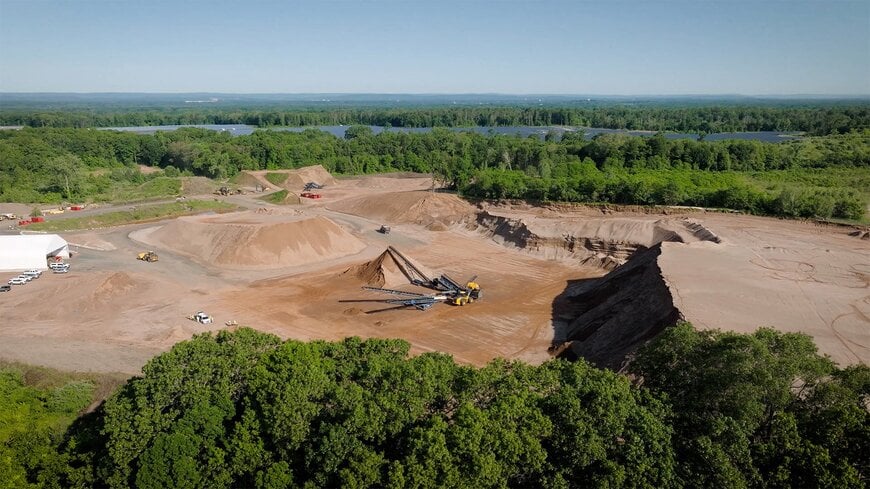
Open-cast mining operations in construction materials depend on equipment capable of delivering high-volume, consistent screening for asphalt, concrete and soil products. At the Broad Brook pit in Connecticut, Pierce Builders expanded its material-processing capacity using two mobile screening plants from Kleemann, which transitioned from rental units to permanent fixtures after proving effective in daily production.
How mobile screening technology supports sand, gravel and topsoil production
The quarry processes sand, gravel and topsoil for downstream applications such as asphalt mixes, concrete batching and bedding sand. To achieve stable quality and high throughput, the operator deployed the MOBISCREEN MSC 953 EVO, a classifying screen used for sand production, and the MOBISCREEN MSS 802 EVO, a coarse scalping screen used for gravel and topsoil.
Pierce Builders had initially rented the units but subsequently expanded its fleet after consistent performance results. The screens were later complemented by mobile stockpiling conveyors, used to optimise material flow and reduce loader travel distances.
Performance characteristics of the coarse screening process
The MSS 802 EVO was used primarily for topsoil and gravel, where uninterrupted material flow is essential to avoid clogging or manual removal of oversized organic material. Operators reported more stable handling compared to earlier equipment used on the site, which contributed to smoother processing and fewer stoppages caused by material blockages.
The design of the coarse screening plant enables continuous screening of heterogeneous material, which is common in topsoil operations containing roots and mixed aggregates.
Classifying screen capabilities for sand production
The MSC 953 EVO supported production of sand fractions for concrete and asphalt. Its capacity for up to 3,000 tons/day with dry feed and approximately 1,500 tons/day with wet material aligned with the quarry’s requirements for sustained output.
Average fuel consumption of around 40 gallons per day positioned the screen within the typical efficiency range for mobile classifying equipment of this size.
The unit is operated through a mobile control device, replacing manual lever-based systems and improving operator ergonomics. The design enables sorting into multiple size classes, supporting consistent feedstock for construction materials.
Material handling and operational logistics
Both machines were fed by excavators and wheel loaders from the site’s existing fleet. Three Kleemann mobile stacker conveyors provided additional support by extending stockpile height and reducing the frequency of loader cycles. This allowed operators to reallocate time to other on-site tasks and maintain clearing operations without interruptions.
The site also used a centralized digital operations platform for machine coordination, allowing supervisors and dispatchers to monitor project progress and equipment activity across the quarry.
Service support and fleet integration
Equipment reliability and service availability played a significant role in the quarry’s decision to expand its Kleemann fleet. Support from WI Clark, the regional dealer, enabled timely maintenance responses and integration assistance for newly acquired machines.
According to Pierce Builders, the combination of equipment performance, on-site logistics tools and dependable service contributed to stable production across multiple material streams.
Comparable systems on the market
Other manufacturers offering similar mobile screening solutions include:
- Powerscreen Warrior Series for scalping and topsoil screening
- Terex Finlay 683/684 Series for multi-deck classifying applications
- McCloskey S130/S190 Series for high-capacity sand and aggregate screening
Compared to these systems, the Kleemann MSC 953 EVO and MSS 802 EVO offer output capacities and deck configurations typical for mid-to-large mobile screening units. The final selection for operators generally depends on throughput requirements, site layout, fuel efficiency targets and compatibility with existing mobile conveyors or crushers.
Conclusion
The Broad Brook operation demonstrated how mobile screening plants can improve productivity in sand, gravel and topsoil applications. With defined throughput capabilities, simplified material handling and integrated service support, the Kleemann equipment enabled Pierce Builders to expand output and maintain steady supply for construction aggregates.
www.wirtgen-group.com
Powered by
Induportals Media Publishing