Measured Performance Gains in Excavator Tooth Systems
Volvo Construction Equipment validates a second-generation excavator tooth system through 3D laser scanning, quantifying efficiency, wear reduction and emissions impact in quarry operations. www.volvoce.com A multi-month field trial using high-resolution 3D laser scanning has quantified how a redesigned excavator tooth system affects wear behaviour, fuel consumption and maintenance efficiency in heavy quarry applications. Quantifying performance in live quarry conditions The trial was conducted at Hillhead Quarry in the UK by Volvo Construction Equipment in collaboration with dealer SMT Great Britain and building materials producer Holcim. A Volvo EC480 excavator was equipped with the second-generation Volvo Tooth System and monitored over several months under continuous production conditions. Millimetre-accurate 3D scans were taken weekly using industrial laser scanning equipment from Printing Portal. The scans measured tooth wear profiles, material loss and geometric changes over time, while also identifying variations linked to operator technique. This approach enabled direct, data-based comparison of component degradation rather than relying on visual inspection or replacement intervals alone. Fuel efficiency, wear life and emissions impact The collected data showed that improved tooth geometry enabled smoother material penetration into blasted rock, reducing resistance at the bucket edge. This translated into a measured reduction in fuel consumption of approximately 4% per week during the trial period, corresponding to an estimated annual fuel saving of around £9,500 per machine and a reported 15% reduction in associated CO₂ emissions. Wear analysis indicated an operational lifespan of approximately 700–750 hours for the tested teeth, compared with an estimated 450–500 hours for a comparable alternative evaluated under identical conditions. When combined with lower fuel use, this resulted in a calculated cost-per-hour reduction of about 10.5%. Each tooth system was operated for more than 240 hours to ensure comparable loading and duty cycles. Maintenance and safety implications In addition to wear performance, the trial assessed maintenance processes. The hammerless locking mechanism used in the second-generation system allowed a single technician to replace a full set of teeth in around 30 minutes. Traditional pin-and-hammer systems typically required two people and approximately one hour, increasing downtime and exposure to manual impact tools. According to Anthony Allday, Quarry Manager at Hillhead Quarry, the combination of quantified wear data and faster, safer replacement influenced early adoption: “Once we saw how quickly and safely teeth could be changed, supported by measured improvements in service life and fuel use, the decision was straightforward.” Benchmarking using digital measurement To validate results, SMT Great Britain compared the tested system with a leading alternative under the same operating conditions. High-precision scanning enabled objective benchmarking based on wear rates and geometry retention rather than nominal specifications. As James Smith, SMT Aftermarket Business Analyst, noted, the methodology demonstrated how digital measurement can support evidence-based decisions on ground engaging tools. Broader implications for construction maintenance Beyond this specific application, the trial illustrates how 3D scanning can support digital maintenance strategies in construction and quarrying. Continuous geometric monitoring enables earlier intervention, optimized replacement timing and extended component life, contributing to lower operating costs and reduced environmental impact. By combining component redesign with data-driven evaluation, the study highlights how construction equipment efficiency and sustainability can be assessed and improved using measurable, repeatable methods rather than assumptions. www.volvoce.com Powered by Induportals Media Publishing
 machineryasia
Volvo Construction Equipment validates a second-generation excavator tooth system through 3D laser scanning, quantifying efficiency, wear reduction and emissions impact in quarry operations.
www.volvoce.com

A multi-month field trial using high-resolution 3D laser scanning has quantified how a redesigned excavator tooth system affects wear behaviour, fuel consumption and maintenance efficiency in heavy quarry applications.
Quantifying performance in live quarry conditions
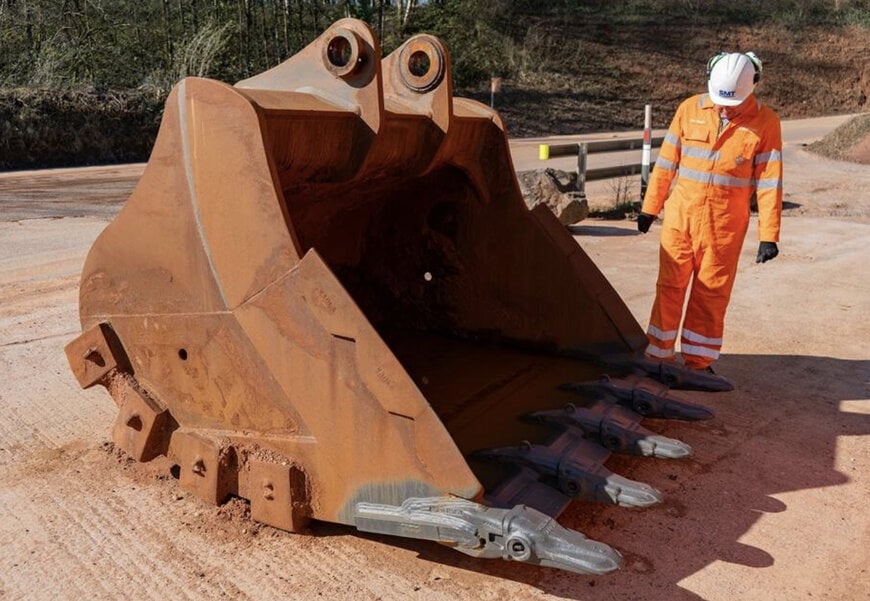
The trial was conducted at Hillhead Quarry in the UK by Volvo Construction Equipment in collaboration with dealer SMT Great Britain and building materials producer Holcim. A Volvo EC480 excavator was equipped with the second-generation Volvo Tooth System and monitored over several months under continuous production conditions.
Millimetre-accurate 3D scans were taken weekly using industrial laser scanning equipment from Printing Portal. The scans measured tooth wear profiles, material loss and geometric changes over time, while also identifying variations linked to operator technique. This approach enabled direct, data-based comparison of component degradation rather than relying on visual inspection or replacement intervals alone.
Fuel efficiency, wear life and emissions impact
The collected data showed that improved tooth geometry enabled smoother material penetration into blasted rock, reducing resistance at the bucket edge. This translated into a measured reduction in fuel consumption of approximately 4% per week during the trial period, corresponding to an estimated annual fuel saving of around £9,500 per machine and a reported 15% reduction in associated CO₂ emissions.
Wear analysis indicated an operational lifespan of approximately 700–750 hours for the tested teeth, compared with an estimated 450–500 hours for a comparable alternative evaluated under identical conditions. When combined with lower fuel use, this resulted in a calculated cost-per-hour reduction of about 10.5%. Each tooth system was operated for more than 240 hours to ensure comparable loading and duty cycles.
Maintenance and safety implications
In addition to wear performance, the trial assessed maintenance processes. The hammerless locking mechanism used in the second-generation system allowed a single technician to replace a full set of teeth in around 30 minutes. Traditional pin-and-hammer systems typically required two people and approximately one hour, increasing downtime and exposure to manual impact tools.
According to Anthony Allday, Quarry Manager at Hillhead Quarry, the combination of quantified wear data and faster, safer replacement influenced early adoption: “Once we saw how quickly and safely teeth could be changed, supported by measured improvements in service life and fuel use, the decision was straightforward.”
Benchmarking using digital measurement
To validate results, SMT Great Britain compared the tested system with a leading alternative under the same operating conditions. High-precision scanning enabled objective benchmarking based on wear rates and geometry retention rather than nominal specifications. As James Smith, SMT Aftermarket Business Analyst, noted, the methodology demonstrated how digital measurement can support evidence-based decisions on ground engaging tools.
Broader implications for construction maintenance
Beyond this specific application, the trial illustrates how 3D scanning can support digital maintenance strategies in construction and quarrying. Continuous geometric monitoring enables earlier intervention, optimized replacement timing and extended component life, contributing to lower operating costs and reduced environmental impact.
By combining component redesign with data-driven evaluation, the study highlights how construction equipment efficiency and sustainability can be assessed and improved using measurable, repeatable methods rather than assumptions.
www.volvoce.com
Powered by
Induportals Media Publishing