Liebherr R 9300 G8-E: Same Power, No Diesel
Liebherr's R 9300 G8-E puts an 850 kW electric drivetrain on its 250-tonne mining platform, keeping the diesel's hydraulic power and bucket capacity. Liebherr R 9300 G8-E: Same Power, No Diesel published on The HeavyQuip Magazine.
 machineryasia
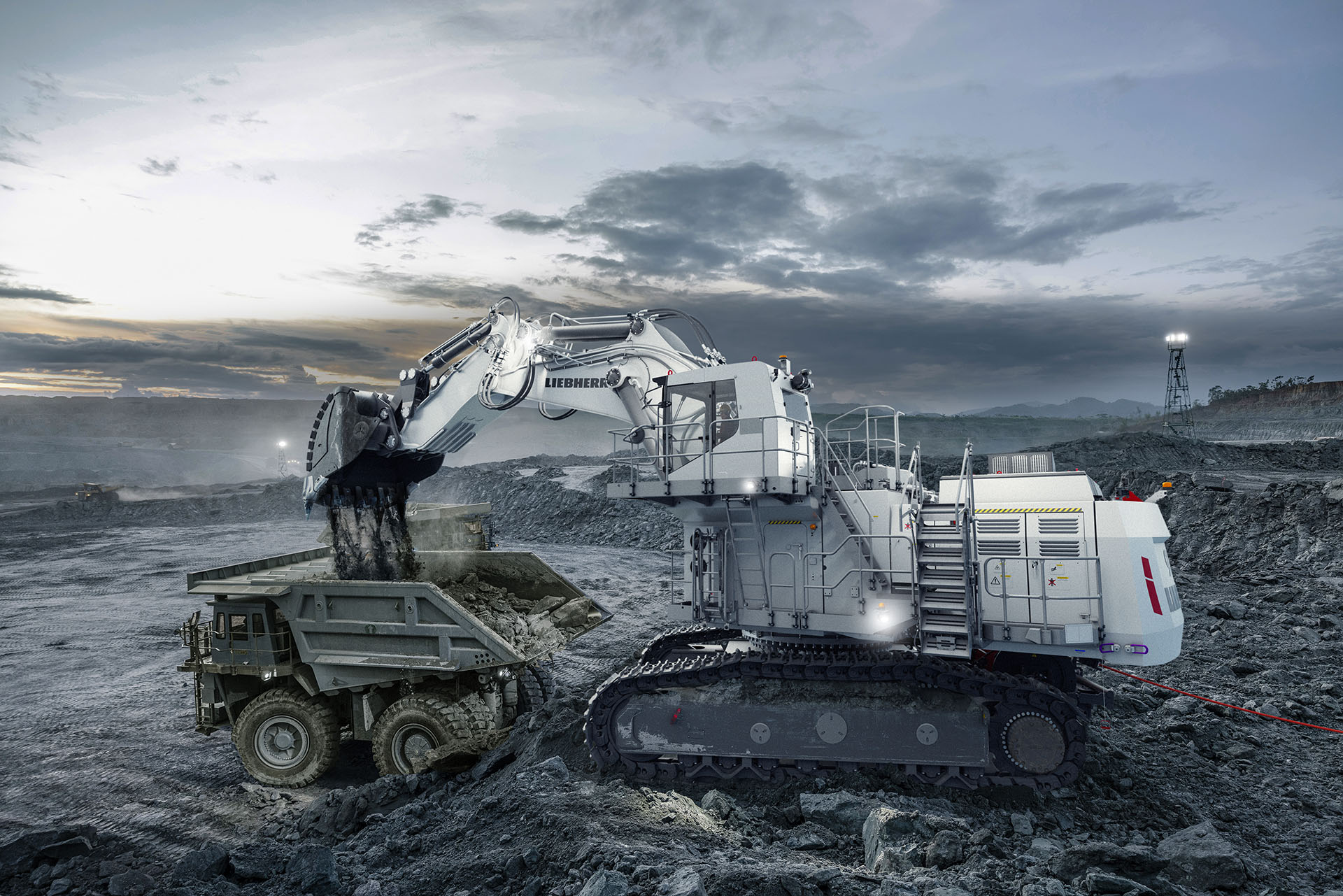
The R 9300 G8-E moves the proven R 9300 G8 platform onto an 850 kW electric drivetrain, aiming to take the productivity trade-off out of mine electrification
For mine operators weighing electrification, the first question is rarely about emissions. It is about tonnes per hour. Liebherr’s answer with the new R 9300 G8-E is that nothing on that front should change. The 250-tonne-class excavator, now commercially available after completing validation, offers the same hydraulic power and the same bucket capacity, rated at a material density of 1.8 t/m³, as its diesel counterpart.
A familiar platform, a different power source
The machine is built on the R 9300 G8, which Liebherr introduced to the market as the successor to the R 9250 in the 250-tonne class. Rather than designing a new excavator around an electric drive, Liebherr has carried its long experience with electric mining excavators over to an established platform.
That approach matters for fleet planners. A machine that shares its base with a known diesel model should, in principle, be easier to integrate into existing loading operations, maintenance routines and truck matching.
Technical details
At the heart of the R 9300 G8-E is an 850 kW electric drivetrain designed to IEC standards and offered in 6 kV and 6.6 kV configurations, so it can be matched to the power infrastructure already in place at different sites. The excavator is available in both backhoe and face shovel configurations. Liebherr Power Efficiency with Hydraulic Control comes as standard. The system adapts hydraulic power to the machine’s load profile, lowering the overall load factor on the drive.
The Generation 8 electronic architecture also makes the machine compatible with Liebherr’s IoMine technology range. That includes the excavator Assistance Systems, the semi-autonomous Bucket Filling Assistant, the Skyview vision system and the Data View data visualisation tool. As an option, customers can fit Liebherr’s autonomous cable reel solution, which handles cable management and supports the excavator’s mobility on site.
What changes for mine operators
The most direct benefit is at the point of use: the electric drivetrain produces no direct exhaust emissions. Whether it also cuts operational greenhouse gas emissions depends on the mine’s electricity source, a point Liebherr itself makes explicitly.
The operating cost argument rests on simplicity. With fewer drivetrain components than a combustion engine, the electric configuration can reduce maintenance requirements and the associated costs in certain applications and site conditions. Liebherr also reports lower vibration exposure in the cab compared with the diesel version, which counts for operators working long shifts.
In practical terms, the R 9300 G8-E gives mines that already run high-voltage electric loading tools, or that are planning the infrastructure, a 250-tonne option that does not ask them to accept a less productive machine. The optional cable reel addresses one of the classic operational headaches of cable-connected excavators: moving around the bench without constant manual cable handling.
A step on a longer roadmap
The launch fits into Liebherr Mining’s stated roadmap to offer low and zero emission options across its equipment as customers pursue decarbonisation. Liebherr Mining, one of 13 product segments within the Liebherr Group, has been designing and building mining equipment for more than 50 years and employs over 4,700 people in 70 countries.
Liebherr R 9300 G8-E: Same Power, No Diesel published on The HeavyQuip Magazine.