Integration of Hybrid Gantry Cranes for Port Infrastructure
YILPORT Holding partners with Konecranes to deploy hybrid and automated crane systems across four global terminals to support operational capacity and lower emissions. www.konecranes.com YILPORT Holding and Konecranes are collaborating to implement 53 hybrid rubber-tired gantry cranes across port terminals in Europe, Africa, and Central America. The deployment integrates industrial automation and energy-efficient handling equipment to support terminal capacity and emission reduction targets within the maritime logistics sector. Operational Challenges and Roles Global terminal operators face the dual challenge of increasing container handling capacity while transitioning to lower-emission infrastructure. To address these operational demands, YILPORT Holding, a terminal operator, has contracted Konecranes, a lifting equipment manufacturer, to supply a combination of automated and manual hybrid cranes. The cooperation leverages the engineering scale of Konecranes to support the global terminal network of YILPORT Holding. The scale and geographical spread of the deployment required a unified hardware standard and the utilization of regional service organizations for ongoing maintenance and support. Technical Solution and Automation Architecture The implemented solution centers on hybrid gantry cranes designed for heavy-duty container handling. The deployment includes 20 automated hybrid units and 33 manual hybrid units. The automated systems, destined for the Liscont Container Terminal and Leixões Port in Portugal, utilize an integrated auto-gantry feature. This technology enables unsupervised gantry movement and fully automated stacking operations, functioning as a core component of the digital infrastructure at these ports. Konecranes is responsible for the manufacturing, engineering, and delivery of the equipment, while YILPORT Holding oversees the integration of these systems into their existing terminal operations and physical infrastructure. Global Deployment and Implementation Phases The equipment roll-out is structured to occur in batches over a two-year period following the initial procurement phase. The deployment covers four distinct locations: Liscont Container Terminal and Leixões Port in Portugal, Acajutla Port in El Salvador, and Takoradi Port in Ghana. Regional support networks managed by the equipment manufacturer will handle the lifecycle maintenance and technical support at each facility, ensuring compatibility with existing power grids and terminal layouts. Applications and Use Cases The primary application area for this equipment is maritime container logistics and port management. The technical use case involves the transition from conventional diesel-powered lifting systems to hybrid models capable of energy-efficient stacking and yard management. The implementation of automated gantry features at the European sites will yield measurable improvements in process stability, continuous operational safety, and overall handling efficiency. Expected Impact By shifting to hybrid power systems, the terminals will reduce direct fuel consumption and support the transition toward zero-carbon operations. The automated stacking capabilities reduce the margin for manual error and increase the predictability of container retrieval times. Regarding the technical strategy behind this infrastructure upgrade, Robert Yüksel Yıldırım, Founder, Chairman and CEO of YILPORT Holding, noted that the company relies on these hybrid and automated gantry crane solutions to support its operational requirements and facilitate its integration of zero-carbon technologies. Edited by Aishwarya Mambet, Induportals Editor, with AI assistance. www.konecranes.com Powered by Induportals Media Publishing
 machineryasia
YILPORT Holding partners with Konecranes to deploy hybrid and automated crane systems across four global terminals to support operational capacity and lower emissions.
www.konecranes.com
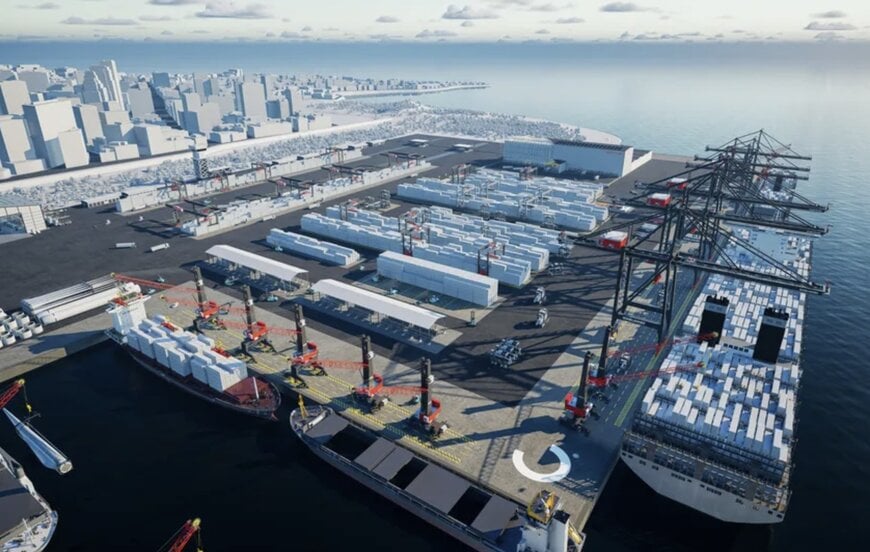
YILPORT Holding and Konecranes are collaborating to implement 53 hybrid rubber-tired gantry cranes across port terminals in Europe, Africa, and Central America. The deployment integrates industrial automation and energy-efficient handling equipment to support terminal capacity and emission reduction targets within the maritime logistics sector.
Operational Challenges and Roles
Global terminal operators face the dual challenge of increasing container handling capacity while transitioning to lower-emission infrastructure. To address these operational demands, YILPORT Holding, a terminal operator, has contracted Konecranes, a lifting equipment manufacturer, to supply a combination of automated and manual hybrid cranes. The cooperation leverages the engineering scale of Konecranes to support the global terminal network of YILPORT Holding. The scale and geographical spread of the deployment required a unified hardware standard and the utilization of regional service organizations for ongoing maintenance and support.
Technical Solution and Automation Architecture
The implemented solution centers on hybrid gantry cranes designed for heavy-duty container handling. The deployment includes 20 automated hybrid units and 33 manual hybrid units. The automated systems, destined for the Liscont Container Terminal and Leixões Port in Portugal, utilize an integrated auto-gantry feature. This technology enables unsupervised gantry movement and fully automated stacking operations, functioning as a core component of the digital infrastructure at these ports. Konecranes is responsible for the manufacturing, engineering, and delivery of the equipment, while YILPORT Holding oversees the integration of these systems into their existing terminal operations and physical infrastructure.
Global Deployment and Implementation Phases
The equipment roll-out is structured to occur in batches over a two-year period following the initial procurement phase. The deployment covers four distinct locations: Liscont Container Terminal and Leixões Port in Portugal, Acajutla Port in El Salvador, and Takoradi Port in Ghana. Regional support networks managed by the equipment manufacturer will handle the lifecycle maintenance and technical support at each facility, ensuring compatibility with existing power grids and terminal layouts.
Applications and Use Cases
The primary application area for this equipment is maritime container logistics and port management. The technical use case involves the transition from conventional diesel-powered lifting systems to hybrid models capable of energy-efficient stacking and yard management. The implementation of automated gantry features at the European sites will yield measurable improvements in process stability, continuous operational safety, and overall handling efficiency.
Expected Impact
By shifting to hybrid power systems, the terminals will reduce direct fuel consumption and support the transition toward zero-carbon operations. The automated stacking capabilities reduce the margin for manual error and increase the predictability of container retrieval times. Regarding the technical strategy behind this infrastructure upgrade, Robert Yüksel Yıldırım, Founder, Chairman and CEO of YILPORT Holding, noted that the company relies on these hybrid and automated gantry crane solutions to support its operational requirements and facilitate its integration of zero-carbon technologies.
Edited by Aishwarya Mambet, Induportals Editor, with AI assistance.
www.konecranes.com
Powered by
Induportals Media Publishing