Integration of digital displacement hydraulics in battery-electric heavy machinery
Danfoss Power Solutions and Staad B.V. have validated a digital hydraulic architecture that reduces energy consumption in heavy-duty electric excavators to optimize industrial automation and digital infrastructure. www.danfoss.com The project involved retrofitting a 30-tonne crawler excavator to address the high energy losses inherent in conventional heavy machinery hydraulics. Danfoss Power Solutions managed the development and integration of the digital hydraulic architecture through its Scotland-based division. Staad B.V. supplied the vehicle platform in an electric configuration, removing the original diesel engine and replacing it with an electric drivetrain. This cooperative approach was necessary to combine specialized electric powertrain engineering with advanced fluid power technology, ensuring seamless communication between the energy storage units and the hydraulic actuators. Technical solution and architecture The system architecture replaces conventional swashplate hydraulic pumps with a digital displacement hydraulic pump and motor, specifically the DDP180D model. The excavator utilizes four primary services: the boom, arm, bucket, and swing. These functions are supplied through ten individually controllable pump outlets. A digital distributor, known as a ganging block, dynamically reallocates hydraulic capacity to the active service by grouping these outlets based on real-time demand. This method eliminates traditional flow-sharing losses. Additionally, a dedicated hydraulic H-bridge valve configuration was integrated into the boom function. This configuration enables independent metering, pressure amplification, anti-cavitation control, and energy recovery during overrunning motions such as boom lowering. The control system architecture provides simultaneous real-time control over the hydraulic network, the electric powertrain, and auxiliary subsystems. The electric drivetrain itself consists of a permanent magnet synchronous motor, an inverter, a motor controller, and three 140-kilowatt-hour batteries. Operational deployment and validation testing Validation testing was performed on a Develon DX300LC-7 crawler excavator. To establish precise performance parameters, engineers subjected the machine to standardized duty cycles, including JCMAS air grading and JCMAS air dig and dump protocols, which align with ISO/AWI TS 11152-2 standards. The tests compared the machine's efficiency against a baseline electric excavator using standard hydraulics. Integration with the existing mechanical infrastructure required no modifications to the structural chassis, proving the compatibility of digital displacement components with standard heavy machinery platforms. Quantifiable efficiency results The integrated system demonstrated a 49.2% reduction in battery energy use during standardized air grading operations and a 31% reduction during air dig and dump cycles. Cycle times remained unaffected during these tests. Based on a representative duty cycle mix consisting of 30% grading and 70% digging, the architecture reduces overall battery power consumption by 35%. This efficiency gain results in a 53% increase in operational runtime on a single charge. Alternatively, the system allows the machine to achieve standard baseline runtime while utilizing two battery packs instead of three, reducing total vehicle weight and component complexity. Edited by Evgeny Churilov, Induportals Media - Adapted by AI. www.danfoss.com Powered by Induportals Media Publishing
 machineryasia
Danfoss Power Solutions and Staad B.V. have validated a digital hydraulic architecture that reduces energy consumption in heavy-duty electric excavators to optimize industrial automation and digital infrastructure.
www.danfoss.com
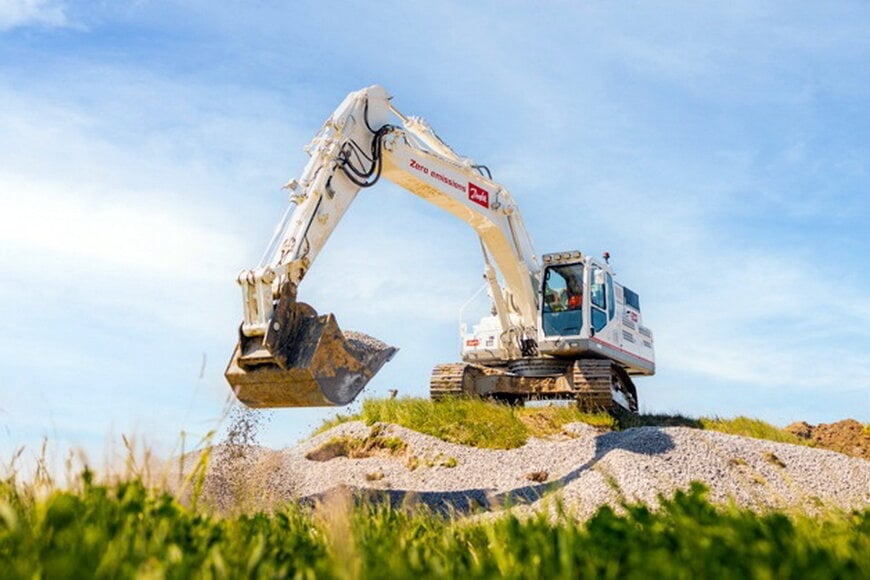
The project involved retrofitting a 30-tonne crawler excavator to address the high energy losses inherent in conventional heavy machinery hydraulics. Danfoss Power Solutions managed the development and integration of the digital hydraulic architecture through its Scotland-based division. Staad B.V. supplied the vehicle platform in an electric configuration, removing the original diesel engine and replacing it with an electric drivetrain.
This cooperative approach was necessary to combine specialized electric powertrain engineering with advanced fluid power technology, ensuring seamless communication between the energy storage units and the hydraulic actuators.
Technical solution and architecture
The system architecture replaces conventional swashplate hydraulic pumps with a digital displacement hydraulic pump and motor, specifically the DDP180D model. The excavator utilizes four primary services: the boom, arm, bucket, and swing. These functions are supplied through ten individually controllable pump outlets.
A digital distributor, known as a ganging block, dynamically reallocates hydraulic capacity to the active service by grouping these outlets based on real-time demand. This method eliminates traditional flow-sharing losses. Additionally, a dedicated hydraulic H-bridge valve configuration was integrated into the boom function. This configuration enables independent metering, pressure amplification, anti-cavitation control, and energy recovery during overrunning motions such as boom lowering.
The control system architecture provides simultaneous real-time control over the hydraulic network, the electric powertrain, and auxiliary subsystems. The electric drivetrain itself consists of a permanent magnet synchronous motor, an inverter, a motor controller, and three 140-kilowatt-hour batteries.
Operational deployment and validation testing
Validation testing was performed on a Develon DX300LC-7 crawler excavator. To establish precise performance parameters, engineers subjected the machine to standardized duty cycles, including JCMAS air grading and JCMAS air dig and dump protocols, which align with ISO/AWI TS 11152-2 standards.
The tests compared the machine's efficiency against a baseline electric excavator using standard hydraulics. Integration with the existing mechanical infrastructure required no modifications to the structural chassis, proving the compatibility of digital displacement components with standard heavy machinery platforms.
Quantifiable efficiency results
The integrated system demonstrated a 49.2% reduction in battery energy use during standardized air grading operations and a 31% reduction during air dig and dump cycles. Cycle times remained unaffected during these tests.
Based on a representative duty cycle mix consisting of 30% grading and 70% digging, the architecture reduces overall battery power consumption by 35%. This efficiency gain results in a 53% increase in operational runtime on a single charge. Alternatively, the system allows the machine to achieve standard baseline runtime while utilizing two battery packs instead of three, reducing total vehicle weight and component complexity.
Edited by Evgeny Churilov, Induportals Media - Adapted by AI.
www.danfoss.com
Powered by
Induportals Media Publishing