Earthmoving Fleet Standardization for Construction Operations
Klaas Bijlsma BV and Liebherr-France SAS cooperate to standardize heavy equipment fleet and improve operational reliability in civil engineering projects. www.liebherr.com Klaas Bijlsma BV and Liebherr-France SAS are collaborating to expand and standardize a fleet of earthmoving machines for civil engineering applications. The cooperation focuses on equipment reliability, maintenance efficiency, and integration into large-scale construction workflows. Context of the Cooperation Klaas Bijlsma BV, a contractor specializing in earthmoving and infrastructure projects, operates in environments requiring high equipment availability and predictable performance. Liebherr-France SAS manufactures heavy construction machinery, including excavators and material handling equipment. The cooperation addresses operational challenges such as fleet heterogeneity, maintenance complexity, and lifecycle cost control. Standardizing machinery across projects reduces variability in operation, simplifies operator training, and enables consistent maintenance procedures. The long-term relationship between the companies, established in 1972, reflects a sustained alignment between equipment performance requirements and field conditions. Technical Solution and Responsibilities The cooperation involves the delivery and integration of Liebherr earthmoving machines into Klaas Bijlsma BV’s fleet, reaching a milestone of 100 units. These machines include hydraulic excavators designed for high-duty cycles and equipped with standardized control systems and diagnostic interfaces. Liebherr-France SAS is responsible for machine design, manufacturing, and technical support, including embedded diagnostics and serviceability features. The machines are engineered with modular components and standardized hydraulic and electronic systems, enabling efficient servicing and parts replacement. Klaas Bijlsma BV manages deployment, operation, and maintenance within its project environments. By using a consistent equipment platform, the company can implement uniform maintenance schedules, streamline spare parts inventory, and apply predictive maintenance practices based on machine data. Deployment and Integration The machines are deployed across infrastructure and earthmoving projects, including road construction, land development, and water management works. Integration into existing operations is facilitated by compatibility with established workflows and operator training programs. The standardized fleet supports integration with digital infrastructure systems, such as telematics platforms for monitoring machine performance, fuel consumption, and operating hours. These systems enable data-driven maintenance planning and operational optimization. Applications and Use Cases Primary application areas include large-scale excavation, material handling, and site preparation. The standardized equipment supports use cases requiring consistent digging force, cycle times, and fuel efficiency. Operational benefits include improved process stability, reduced downtime through simplified maintenance procedures, and enhanced safety due to uniform machine behavior and operator familiarity. Results and Expected Impact While specific performance metrics are not disclosed, the standardized fleet approach enables measurable improvements in maintenance efficiency and equipment utilization. Reduced variability in machine types lowers training requirements and minimizes operational errors. From a technical perspective, the cooperation demonstrates how fleet standardization and industrial automation principles can improve reliability and lifecycle management in construction operations. Edited by an industrial journalist Sucithra Mani with AI assistance. www.liebherr.com Powered by Induportals Media Publishing
 machineryasia
Klaas Bijlsma BV and Liebherr-France SAS cooperate to standardize heavy equipment fleet and improve operational reliability in civil engineering projects.
www.liebherr.com
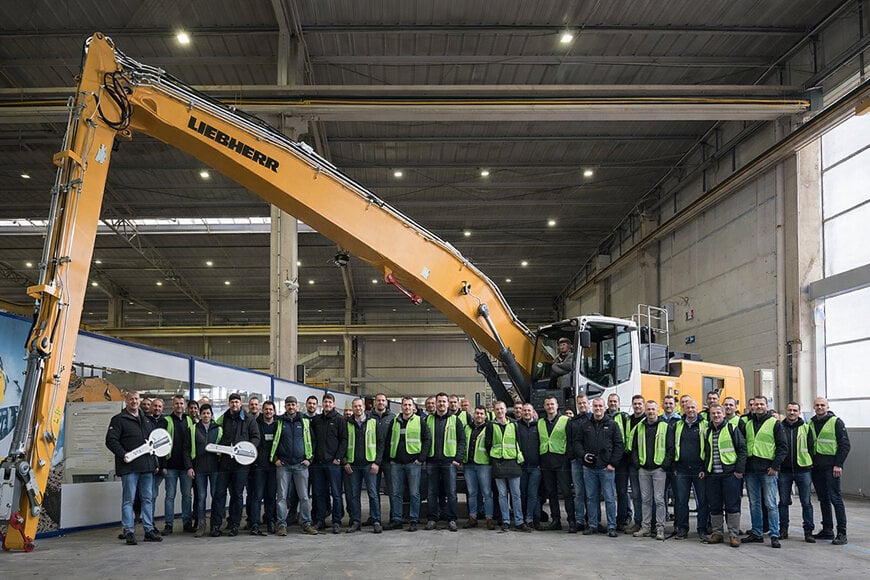
Klaas Bijlsma BV and Liebherr-France SAS are collaborating to expand and standardize a fleet of earthmoving machines for civil engineering applications. The cooperation focuses on equipment reliability, maintenance efficiency, and integration into large-scale construction workflows.
Context of the Cooperation
Klaas Bijlsma BV, a contractor specializing in earthmoving and infrastructure projects, operates in environments requiring high equipment availability and predictable performance. Liebherr-France SAS manufactures heavy construction machinery, including excavators and material handling equipment.
The cooperation addresses operational challenges such as fleet heterogeneity, maintenance complexity, and lifecycle cost control. Standardizing machinery across projects reduces variability in operation, simplifies operator training, and enables consistent maintenance procedures. The long-term relationship between the companies, established in 1972, reflects a sustained alignment between equipment performance requirements and field conditions.
Technical Solution and Responsibilities
The cooperation involves the delivery and integration of Liebherr earthmoving machines into Klaas Bijlsma BV’s fleet, reaching a milestone of 100 units. These machines include hydraulic excavators designed for high-duty cycles and equipped with standardized control systems and diagnostic interfaces.
Liebherr-France SAS is responsible for machine design, manufacturing, and technical support, including embedded diagnostics and serviceability features. The machines are engineered with modular components and standardized hydraulic and electronic systems, enabling efficient servicing and parts replacement.
Klaas Bijlsma BV manages deployment, operation, and maintenance within its project environments. By using a consistent equipment platform, the company can implement uniform maintenance schedules, streamline spare parts inventory, and apply predictive maintenance practices based on machine data.
Deployment and Integration
The machines are deployed across infrastructure and earthmoving projects, including road construction, land development, and water management works. Integration into existing operations is facilitated by compatibility with established workflows and operator training programs.
The standardized fleet supports integration with digital infrastructure systems, such as telematics platforms for monitoring machine performance, fuel consumption, and operating hours. These systems enable data-driven maintenance planning and operational optimization.
Applications and Use Cases
Primary application areas include large-scale excavation, material handling, and site preparation. The standardized equipment supports use cases requiring consistent digging force, cycle times, and fuel efficiency.
Operational benefits include improved process stability, reduced downtime through simplified maintenance procedures, and enhanced safety due to uniform machine behavior and operator familiarity.
Results and Expected Impact
While specific performance metrics are not disclosed, the standardized fleet approach enables measurable improvements in maintenance efficiency and equipment utilization. Reduced variability in machine types lowers training requirements and minimizes operational errors.
From a technical perspective, the cooperation demonstrates how fleet standardization and industrial automation principles can improve reliability and lifecycle management in construction operations.
Edited by an industrial journalist Sucithra Mani with AI assistance.
www.liebherr.com
Powered by
Induportals Media Publishing