Digital Camera System for Remote Blasthole Drilling
Epiroc Digital Vision System replaces analog cameras on RCS 5 and Teleremote Pit Viper drills with bandwidth-efficient digital video for safer remote operation. www.epiroc.com In surface mining, operators increasingly control rotary blasthole drills from remote stations, so the quality and reliability of the video feed directly determine how safely and accurately they can work. Epiroc has introduced the Digital Vision System, a camera platform that replaces the analog camera system on RCS 5 and Teleremote-enabled Pit Viper drills and is available across the Pit Viper lineup. Why Video Quality Limits Remote Drilling In tele-remote operation, the operator relies on cameras to observe the drill, its surroundings, the drill bit and potential hazards. Low-resolution analog video limits this situational awareness, while network capacity at mine sites is often constrained. The Digital Vision System addresses both factors: it delivers a substantially higher-quality video feed and is designed for optimised network performance. Digital Camera Architecture and Bandwidth Efficiency The system keeps the existing camera positions on the drill, which simplifies retrofitting, but replaces the analog signal chain with a digital architecture. According to Epiroc, this architecture is engineered for efficient bandwidth usage, delivering higher-quality visuals while minimising data consumption, which supports stable tele-remote operation in bandwidth-constrained environments. An optional upgrade to self-cleaning cameras helps maintain consistent visibility in harsh conditions such as dust. "Remote operations depend on clear, reliable visibility. The Digital Vision System gives operators a sharper, more accurate view of the drill and its surroundings, helping them work more safely and with greater confidence," said Christopher Blignaut, Automation Manager, Surface Division, Epiroc. Foundation for Perception and Automation Functions The digital platform lays the groundwork for future integrations, including preset PTZ camera positions, computer vision applications and deeper connectivity within Epiroc's automation ecosystem. Epiroc plans to make the digital camera system available for SmartROC drills in 2027. Applications in Surface Mining The system targets remote and autonomous drilling in surface mining operations using Pit Viper rotary blasthole rigs equipped with the RCS 5 control system or Teleremote capability. Clearer visibility of the drill environment and bit condition supports safer operation, while stable video at lower bandwidth helps maintain consistent remote control. More information about Epiroc rotary blasthole drill rigs is available online. Additional Context This section details technical specifications and competitive benchmarking not included in the original product announcement. Remote and autonomous drilling in surface mines falls within the scope of ISO 17757, which addresses safety requirements for autonomous and semi-autonomous machine systems in earth-moving and mining. Digital IP video systems generally use compressed video streams, which allows higher resolution at a given network bandwidth compared with transmitting analog signals over converted links. Other mining equipment manufacturers also offer remote and automated surface drilling solutions, for example Sandvik with its AutoMine for Surface Drilling portfolio. Epiroc has not published resolution, frame rate or bandwidth figures for the Digital Vision System in this announcement. Edited by Evgeny Churilov, Induportals Media - Adapted by AI. www.epiroc.com Powered by Induportals Media Publishing
 machineryasia
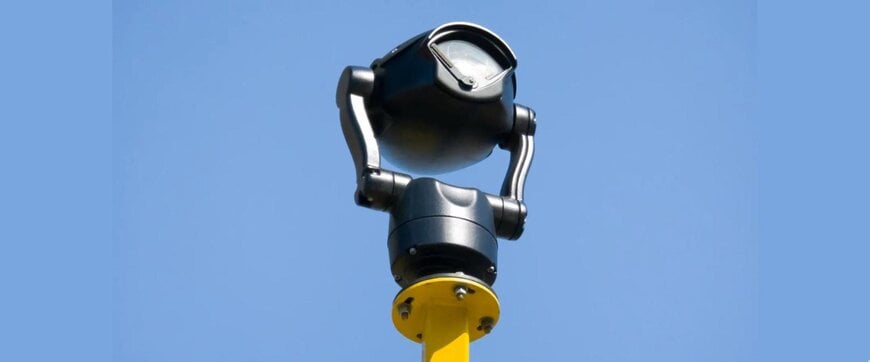
Epiroc Digital Vision System replaces analog cameras on RCS 5 and Teleremote Pit Viper drills with bandwidth-efficient digital video for safer remote operation.
www.epiroc.com
In surface mining, operators increasingly control rotary blasthole drills from remote stations, so the quality and reliability of the video feed directly determine how safely and accurately they can work. Epiroc has introduced the Digital Vision System, a camera platform that replaces the analog camera system on RCS 5 and Teleremote-enabled Pit Viper drills and is available across the Pit Viper lineup.
Why Video Quality Limits Remote Drilling
In tele-remote operation, the operator relies on cameras to observe the drill, its surroundings, the drill bit and potential hazards. Low-resolution analog video limits this situational awareness, while network capacity at mine sites is often constrained. The Digital Vision System addresses both factors: it delivers a substantially higher-quality video feed and is designed for optimised network performance.
Digital Camera Architecture and Bandwidth Efficiency
The system keeps the existing camera positions on the drill, which simplifies retrofitting, but replaces the analog signal chain with a digital architecture. According to Epiroc, this architecture is engineered for efficient bandwidth usage, delivering higher-quality visuals while minimising data consumption, which supports stable tele-remote operation in bandwidth-constrained environments. An optional upgrade to self-cleaning cameras helps maintain consistent visibility in harsh conditions such as dust.
"Remote operations depend on clear, reliable visibility. The Digital Vision System gives operators a sharper, more accurate view of the drill and its surroundings, helping them work more safely and with greater confidence," said Christopher Blignaut, Automation Manager, Surface Division, Epiroc.
Foundation for Perception and Automation Functions
The digital platform lays the groundwork for future integrations, including preset PTZ camera positions, computer vision applications and deeper connectivity within Epiroc's automation ecosystem. Epiroc plans to make the digital camera system available for SmartROC drills in 2027.
Applications in Surface Mining
The system targets remote and autonomous drilling in surface mining operations using Pit Viper rotary blasthole rigs equipped with the RCS 5 control system or Teleremote capability. Clearer visibility of the drill environment and bit condition supports safer operation, while stable video at lower bandwidth helps maintain consistent remote control.
More information about Epiroc rotary blasthole drill rigs is available online.
Additional Context
This section details technical specifications and competitive benchmarking not included in the original product announcement.
Remote and autonomous drilling in surface mines falls within the scope of ISO 17757, which addresses safety requirements for autonomous and semi-autonomous machine systems in earth-moving and mining. Digital IP video systems generally use compressed video streams, which allows higher resolution at a given network bandwidth compared with transmitting analog signals over converted links. Other mining equipment manufacturers also offer remote and automated surface drilling solutions, for example Sandvik with its AutoMine for Surface Drilling portfolio. Epiroc has not published resolution, frame rate or bandwidth figures for the Digital Vision System in this announcement.
Edited by Evgeny Churilov, Induportals Media - Adapted by AI.
www.epiroc.com
Powered by
Induportals Media Publishing