Closing the Loop: High-Efficiency Asphalt Recycling with Wirtgen Group
Kutter utilizes a specialized Kleemann plant train to transform reclaimed asphalt into high-quality, standard-compliant raw material, reducing costs and CO₂ emissions. www.wirtgen-group.com For the construction company Kutter, reclaimed asphalt is no longer seen as waste, but as a fully reusable raw material. By implementing a sophisticated process chain—from selective milling to precise crushing and screening—the company has managed to close the material cycle almost completely. Central to this operation is a coordinated machinery portfolio from the Wirtgen Group, which allows for independent production of bituminous mixtures and significantly reduced bitumen costs. Technical Workflow of the Kleemann Plant Train The recycling process at the Allgäu site relies on a "plant train" configuration designed for maximum hourly output (up to 240 tons) and precise grain separation. The interaction of the machines follows a specific technical sequence: Scalping (MOBISCREEN MSS 502 EVO): Reclaimed material ($0text{--}120$ mm) is fed into the screen. It separates the fraction with the highest bitumen content for immediate reuse. Crushing (MOBIREX MR 100 NEO): Oversize grain is transferred to the impact crusher to produce homogeneous final fractions. Stockpiling (MOBIBELT MBT 20 & 24): Stackers ensure high material stockpiles and efficient bypass routing for mid-size grains. Operational Efficiency and Maintenance The system is engineered to minimize downtime through digital integration and mechanical accessibility. Two key technical features stand out: Lock & Turn Quick Access: This system allows for the rapid and safe opening of the crusher. By providing easy access to central maintenance points, the operator saves time during daily inspections and wear-part replacements. SPECTIVE CONNECT: A digital application provides real-time data on fuel consumption, plant utilization, and malfunctions. This allows the excavator or loader operator to monitor the plant status remotely, preventing unnecessary interruptions. Strategic and Economic Advantages The transition to an in-house recycling chain provides Kutter with several competitive benefits: Quality Control: The plant produces material with a reduced content of fines, meeting the strict grading curve requirements for standard-compliant asphalt. Sustainability: On-site processing reduces transport journeys, lowering fuel costs and CO₂ emissions. Cost Reduction: Increasing the percentage of recycled material significantly lowers the volume of expensive new bitumen required for the mix. "The focus is on the application and not the individual products. This interaction optimizes the overall process and makes us independent of external suppliers." — Simone Eichiner, Asphalt Mixing Plants Manager, Kutter. www.wirtgen-group.com Powered by Induportals Media Publishing
 machineryasia
Kutter utilizes a specialized Kleemann plant train to transform reclaimed asphalt into high-quality, standard-compliant raw material, reducing costs and CO₂ emissions.
www.wirtgen-group.com
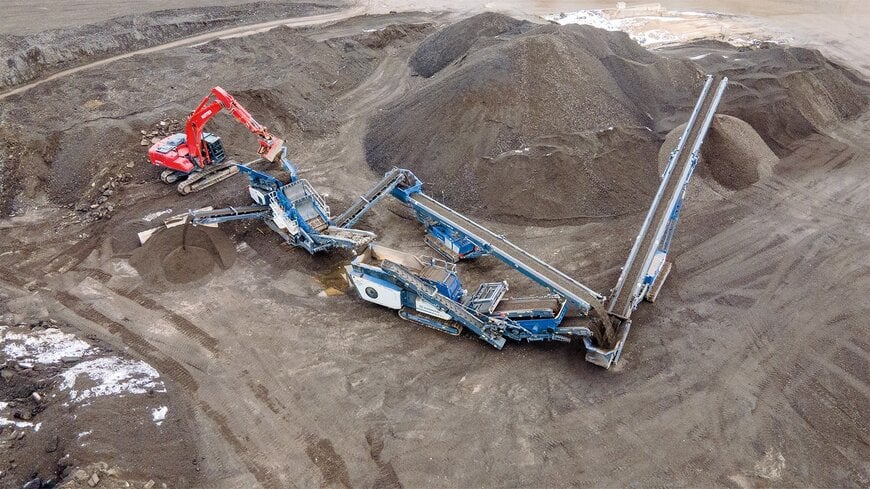
For the construction company Kutter, reclaimed asphalt is no longer seen as waste, but as a fully reusable raw material. By implementing a sophisticated process chain—from selective milling to precise crushing and screening—the company has managed to close the material cycle almost completely. Central to this operation is a coordinated machinery portfolio from the Wirtgen Group, which allows for independent production of bituminous mixtures and significantly reduced bitumen costs.
Technical Workflow of the Kleemann Plant Train
The recycling process at the Allgäu site relies on a "plant train" configuration designed for maximum hourly output (up to 240 tons) and precise grain separation. The interaction of the machines follows a specific technical sequence:
- Scalping (MOBISCREEN MSS 502 EVO): Reclaimed material ($0text{--}120$ mm) is fed into the screen. It separates the fraction with the highest bitumen content for immediate reuse.
- Crushing (MOBIREX MR 100 NEO): Oversize grain is transferred to the impact crusher to produce homogeneous final fractions.
- Stockpiling (MOBIBELT MBT 20 & 24): Stackers ensure high material stockpiles and efficient bypass routing for mid-size grains.
Operational Efficiency and Maintenance
The system is engineered to minimize downtime through digital integration and mechanical accessibility. Two key technical features stand out:
The system is engineered to minimize downtime through digital integration and mechanical accessibility. Two key technical features stand out:
- Lock & Turn Quick Access: This system allows for the rapid and safe opening of the crusher. By providing easy access to central maintenance points, the operator saves time during daily inspections and wear-part replacements.
- SPECTIVE CONNECT: A digital application provides real-time data on fuel consumption, plant utilization, and malfunctions. This allows the excavator or loader operator to monitor the plant status remotely, preventing unnecessary interruptions.
Strategic and Economic Advantages
The transition to an in-house recycling chain provides Kutter with several competitive benefits:
The transition to an in-house recycling chain provides Kutter with several competitive benefits:
- Quality Control: The plant produces material with a reduced content of fines, meeting the strict grading curve requirements for standard-compliant asphalt.
- Sustainability: On-site processing reduces transport journeys, lowering fuel costs and CO₂ emissions.
- Cost Reduction: Increasing the percentage of recycled material significantly lowers the volume of expensive new bitumen required for the mix.
"The focus is on the application and not the individual products. This interaction optimizes the overall process and makes us independent of external suppliers." — Simone Eichiner, Asphalt Mixing Plants Manager, Kutter.
www.wirtgen-group.com
www.wirtgen-group.com
Powered by
Induportals Media Publishing