Can AI-Powered Camera Systems Finally Eliminate Blind Spots?
The construction sector remains one of the most dangerous work environments. A long-standing issue is the frequency of struck-by incidents involving heavy equipment, which continues to threaten worker safety. Blind spots remain a core contributing factor. Will AI-powered camera systems finally bring visibility and minimize casualties in the industry? The Shortcomings of Traditional Mirrors and […] Can AI-Powered Camera Systems Finally Eliminate Blind Spots? published on The HeavyQuip Magazine.
 machineryasia
The construction sector remains one of the most dangerous work environments. A long-standing issue is the frequency of struck-by incidents involving heavy equipment, which continues to threaten worker safety. Blind spots remain a core contributing factor. Will AI-powered camera systems finally bring visibility and minimize casualties in the industry?
The Shortcomings of Traditional Mirrors and Cameras
Maneuvering heavy machinery in tight spaces filled with workers and materials means operators need all the help they can get to navigate safely. Traditional accessories, such as mirrors, basic backup alarms and human spotters, have long been used to reduce the risk associated with heavy equipment.
Despite these measures, the number of casualties continues to rise, and three out of four struck-by fatalities are associated with trucks or cranes. Meanwhile, workers may also be unintentionally pinned between a truck or machinery and another object, which ranks as the fourth leading cause of workplace deaths.
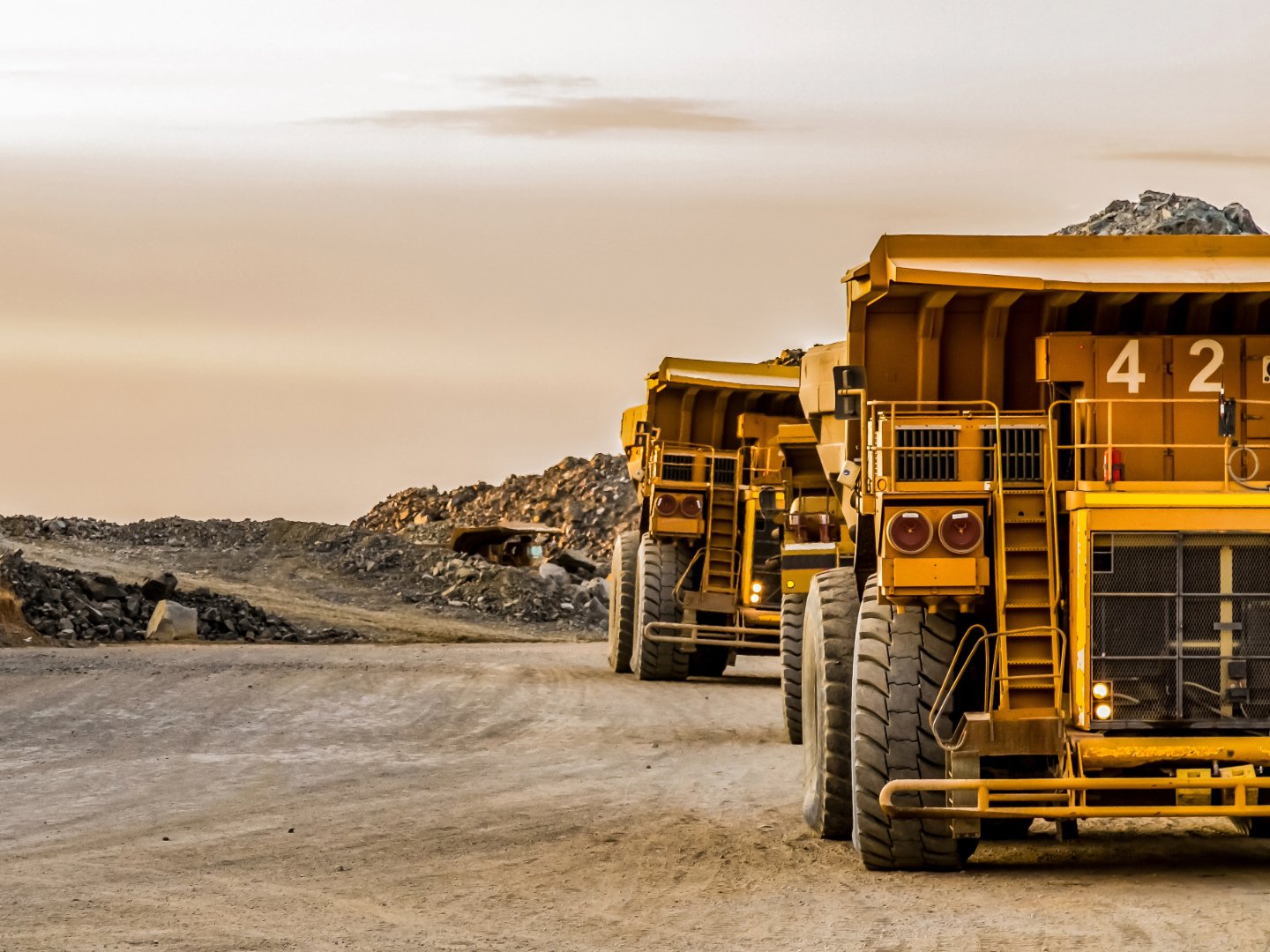
The statistics indicate that these safety tools have clear limitations. Side and rear-view mirrors offer only a narrow field of vision. Dirt, vibration, poor lighting or the sheer size of modern machinery compared to the mirror itself also easily compromises effectiveness. When installed on loaders and haul trucks, components such as large buckets and counterweights can fully obscure workers standing around.
Backup alarms are widely mandated. However, on active construction sites filled with constant noise, alarms often blend into the hum of engines, compressors and impact tools. Over time, these alerts lose urgency as crew members become desensitized to noise, delaying reaction times until a critical moment occurs.
Human spotters help bridge sight gaps, but long, strenuous hours can lead to fatigue and distraction. Noise can cause miscommunication and even a person’s vision has inherent line-of-sight limitations. Traditional camera systems greatly improve visibility, but they still fall short, as they rely on operators to continuously monitor screens and interpret multiple angles.
How Intelligent Vision Creates Active Hazard Prevention
AI-powered imaging bridges the limitations of traditional protective tools. It turns safety from something reactive into a proactive hazard prevention measure. Unlike traditional cameras that simply display footage like a digital mirror, AI-powered solutions continuously interpret the environment around heavy equipment in real time. It learns to identify people, vehicles and objects within the operating zone.
Thanks to this intelligent vision, AI-powered cameras can distinguish between a worker simply walking past a machine and someone entering a high-risk exclusion area. These hazards can be detected the moment they enter the vicinity without requiring the operator to notice them on a screen. The system then triggers visual, audible or haptic alerts and provides a few critical seconds so the in-cab personnel can stop and react accordingly. In more advanced deployments, the technology can also activate external alarms or stop the equipment before harmful contact occurs.
These systems resolve obstructed zones caused by components such as large buckets, counterweights or articulated joints that naturally limit human visibility. Because AI models are trained on real jobsite conditions, they reduce false alarms while highlighting only the most critical threats. This adds an extra layer of awareness that supports equipment handlers by minimizing reliance on human judgment alone.
AI-Powered Camera Systems in Action
These ideas are producing tangible benefits on active jobsites. One AI-powered safety solution reportedly reduced incidents by 73% over a 30-month period. The system — comprised of dual-facing dashcams, real-time alerts and automated coaching — grants full visibility. Cameras identify distracted driving and violations and immediately signal when nearby workers are in the vicinity. Then it can recommend the best course of action, so operators get relief from decision fatigue.
Similarly, AI cameras in the UK can now accurately detect the human form. When an incident triggers the system, it provides video footage and information on the vehicle’s location. It can even allow for livestreaming so personnel can view the feed through an online portal. This has revealed a 65% reduction in red zone incursions around sites equipped with the technology.
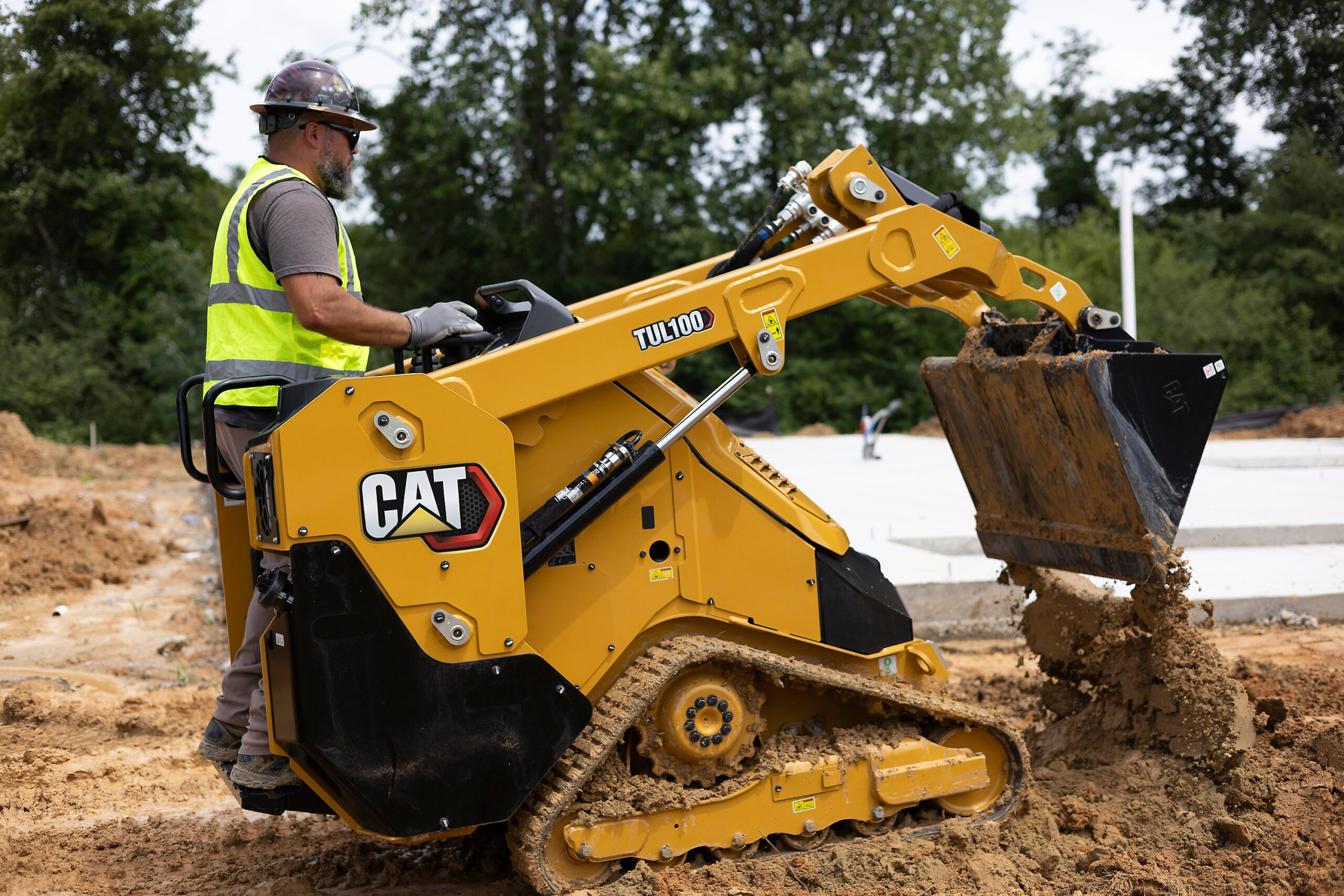
Another innovative solution addresses one of the most persistent visibility challenges in bucket-equipped machinery, where the line of sight is often completely obstructed. This approach uses strategically placed cameras to capture live video feeds and display them on an in-cab screen, allowing operators to see what lies beyond the bucket and directly in front of the machine. The result is a real-time view that reveals activity hidden by the bucket, significantly improving situational awareness.
One research institute is taking this further by developing a smart excavator fitted with six high-definition stereo cameras that crews can operate remotely using augmented reality. While still a prototype, the goal is to automatically detect when a person is too close. This automatically stops the machine from further movement and flashes warning lights to alert the worker of potential danger.
With fewer accidents, companies and projects benefit. It reduces equipment downtime and lowers insurance liability. This innovation also improves operator confidence because even if they have physical blind spots, a smart third-eye camera has them covered. AI-powered camera systems can lead to greater productivity and efficiency on-site.
A Future of 360-Degree Certainty
Technology is shaping the construction industry into safer workplaces by resolving the issues that have long plagued the sector. This increased visibility and improved situational awareness are helping to save lives. With intelligent vision systems implemented across jobsites, the industry may move toward a zero-blind spot future, where sites actively protect personnel instead of simply react after incidents occur.
Can AI-Powered Camera Systems Finally Eliminate Blind Spots? published on The HeavyQuip Magazine.