An electric wheel loader reduces site emissions
Groupe ROGER MARTIN deploys, with Volvo CE, an electric wheel loader to reduce emissions while maintaining productivity across its operations. www.volvoce.com A construction group facing environmental and operational constraints Groupe ROGER MARTIN operates in the construction, building materials and infrastructure sectors. Its activities involve intensive material handling on production sites and construction projects, where equipment reliability, cycle time and operator safety are critical. At the same time, increasing environmental requirements and local constraints on noise and air quality are reshaping equipment selection. On concrete production sites and in semi-urban environments, conventional diesel-powered wheel loaders contribute to noise exposure and local emissions. The Group therefore sought a solution capable of reducing environmental impact while delivering performance comparable to that of a conventional mid-size wheel loader. Selecting an electric wheel loader for demanding applications To address these challenges, Groupe ROGER MARTIN deployed the first Volvo L120 Electric wheel loader in France. The machine is used in daily operations at SABEVI–Bourgogne Béton, where it handles hopper loading under continuous operating conditions. The decision was based primarily on total cost of ownership (TCO). Beyond energy costs, the analysis considered reduced maintenance requirements, fewer wear components and the long-term operational stability offered by an electric drivetrain. These factors reinforced confidence in the economic viability of the solution over the machine’s service life. Performance aligned with industrial operating needs The wheel loader is powered by a lithium iron phosphate battery with a gross capacity of approximately 280 kWh, providing between five and nine hours of operating autonomy depending on the duty cycle. Energy recovery during deceleration contributes to extending operating time in repetitive loading applications. Fast charging in less than two hours allows the machine to be integrated into existing shift schedules without disrupting production. The load-sensing hydraulic system ensures smooth and efficient operation during material handling cycles, while the absence of a combustion engine eliminates exhaust gases on site. From an operator perspective, the low cabin noise level, around 70 dB, reduces fatigue and improves working conditions, particularly during extended shifts. Deployment supported by equipment and distribution partners The delivery and commissioning of the electric wheel loader were carried out in cooperation with Volvo Construction Equipment and its long-standing distribution partner Kleber Malecot. Prior to the investment decision, demonstration tours in France enabled Groupe ROGER MARTIN to assess the machine in real working conditions and confirm its suitability for targeted applications. This phased approach helped anticipate infrastructure requirements for charging and facilitated the integration of the electric loader into a mixed fleet that already includes both conventional and electric construction equipment. Operational and environmental benefits without productivity loss Although no quantified performance figures have been published, early operational feedback highlights several tangible benefits. Local exhaust emissions have been eliminated, contributing to improved air quality on site, while noise levels have been significantly reduced. Maintenance processes have been simplified due to the absence of engine oil, fuel systems and exhaust aftertreatment components. By introducing an electric wheel loader into its fleet, Groupe ROGER MARTIN demonstrates a pragmatic approach to decarbonisation, targeting applications where electrification delivers immediate environmental benefits without compromising operational efficiency or reliability. www.volvoce.com Powered by Induportals Media Publishing
 machineryasia
Groupe ROGER MARTIN deploys, with Volvo CE, an electric wheel loader to reduce emissions while maintaining productivity across its operations.
www.volvoce.com
A construction group facing environmental and operational constraints
Groupe ROGER MARTIN operates in the construction, building materials and infrastructure sectors. Its activities involve intensive material handling on production sites and construction projects, where equipment reliability, cycle time and operator safety are critical. At the same time, increasing environmental requirements and local constraints on noise and air quality are reshaping equipment selection.
On concrete production sites and in semi-urban environments, conventional diesel-powered wheel loaders contribute to noise exposure and local emissions. The Group therefore sought a solution capable of reducing environmental impact while delivering performance comparable to that of a conventional mid-size wheel loader.
Selecting an electric wheel loader for demanding applications
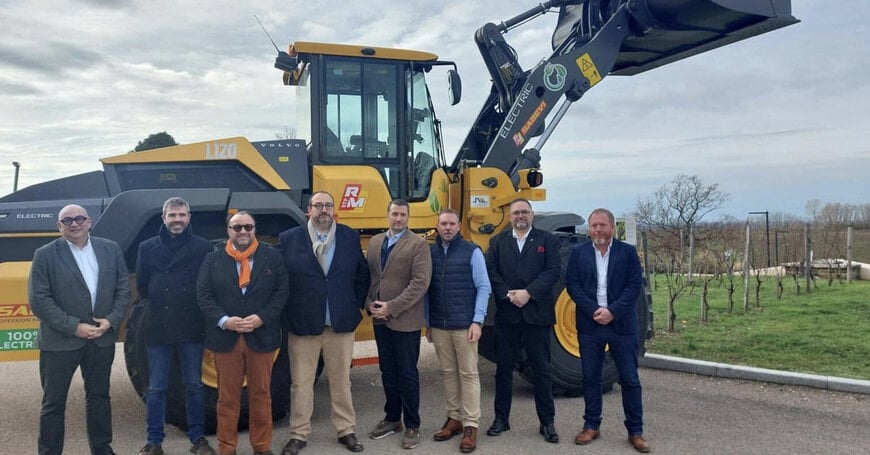
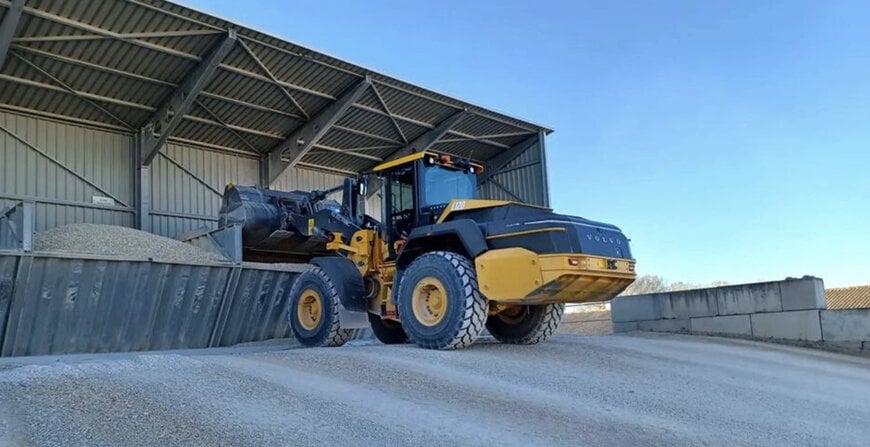
To address these challenges, Groupe ROGER MARTIN deployed the first Volvo L120 Electric wheel loader in France. The machine is used in daily operations at SABEVI–Bourgogne Béton, where it handles hopper loading under continuous operating conditions.
The decision was based primarily on total cost of ownership (TCO). Beyond energy costs, the analysis considered reduced maintenance requirements, fewer wear components and the long-term operational stability offered by an electric drivetrain. These factors reinforced confidence in the economic viability of the solution over the machine’s service life.
Performance aligned with industrial operating needs
The wheel loader is powered by a lithium iron phosphate battery with a gross capacity of approximately 280 kWh, providing between five and nine hours of operating autonomy depending on the duty cycle. Energy recovery during deceleration contributes to extending operating time in repetitive loading applications.
Fast charging in less than two hours allows the machine to be integrated into existing shift schedules without disrupting production. The load-sensing hydraulic system ensures smooth and efficient operation during material handling cycles, while the absence of a combustion engine eliminates exhaust gases on site.
From an operator perspective, the low cabin noise level, around 70 dB, reduces fatigue and improves working conditions, particularly during extended shifts.
Deployment supported by equipment and distribution partners
The delivery and commissioning of the electric wheel loader were carried out in cooperation with Volvo Construction Equipment and its long-standing distribution partner Kleber Malecot. Prior to the investment decision, demonstration tours in France enabled Groupe ROGER MARTIN to assess the machine in real working conditions and confirm its suitability for targeted applications.
This phased approach helped anticipate infrastructure requirements for charging and facilitated the integration of the electric loader into a mixed fleet that already includes both conventional and electric construction equipment.
Operational and environmental benefits without productivity loss
Although no quantified performance figures have been published, early operational feedback highlights several tangible benefits. Local exhaust emissions have been eliminated, contributing to improved air quality on site, while noise levels have been significantly reduced. Maintenance processes have been simplified due to the absence of engine oil, fuel systems and exhaust aftertreatment components.
By introducing an electric wheel loader into its fleet, Groupe ROGER MARTIN demonstrates a pragmatic approach to decarbonisation, targeting applications where electrification delivers immediate environmental benefits without compromising operational efficiency or reliability.
www.volvoce.com
Powered by
Induportals Media Publishing