American Manufacturing Saved the World. Could We Do It Again?
Detroit's legacy as the "Arsenal of Democracy" endures as a reminder of the U.S. industrial base's critical importance in times of crisis.
 machineryasia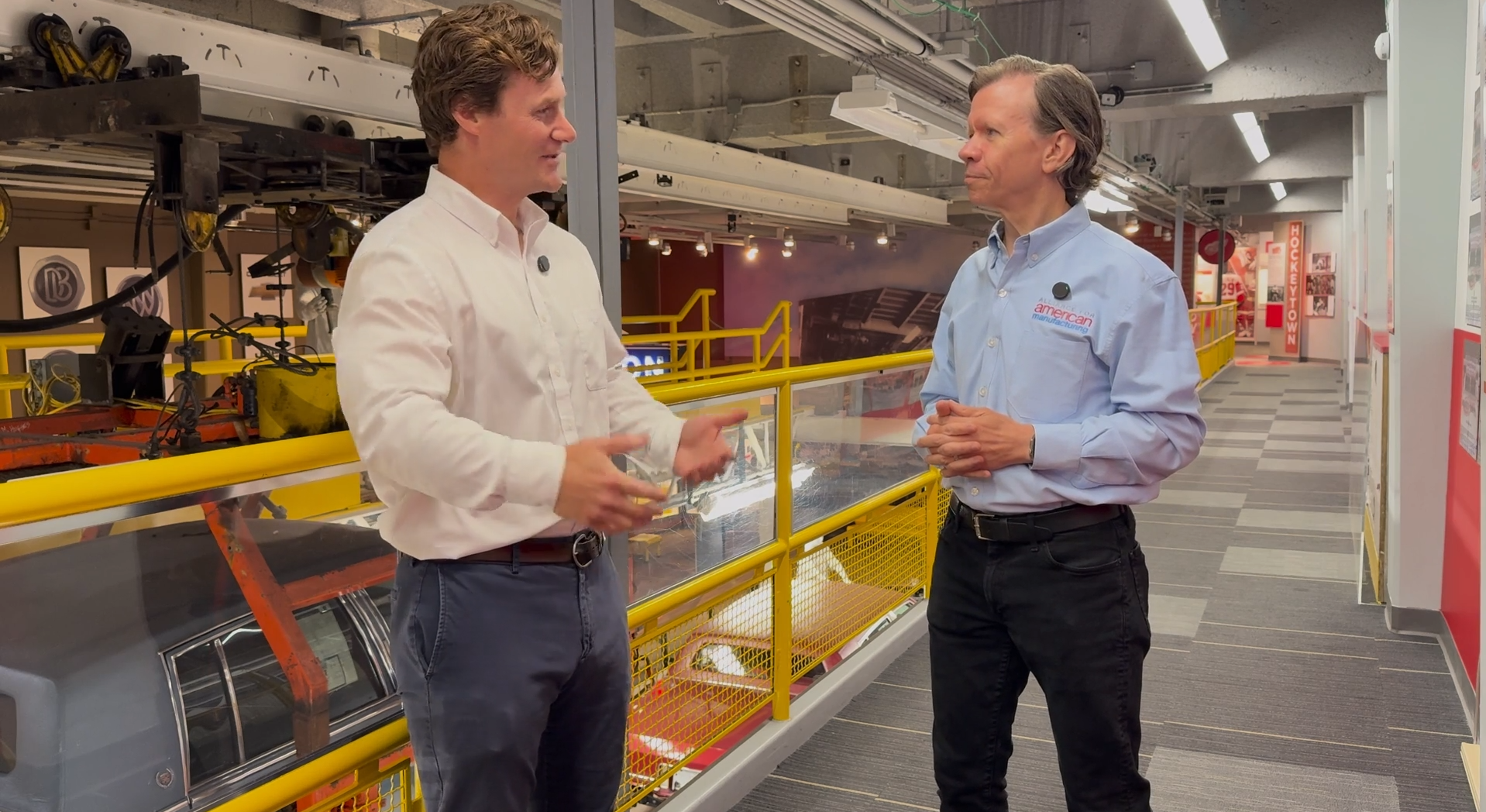
Detroit’s legacy as the “Arsenal of Democracy” endures as a reminder of the U.S. industrial base’s critical importance in times of crisis.
On Dec. 29, 1940, nearly a year before the United States entered WWII, President Franklin Delano Roosevelt issued a call to arms that urged Americans not to take up weapons, but to make them. “It is the purpose of the nation to build now with all possible speed every machine, every arsenal, every factory that we need to manufacture our defense material. We have the men — the skill — the wealth — and above all, the will,” Roosevelt said. This seminal Fireside Chat baptized America’s workers and factories as the “Arsenal of Democracy,” mobilizing a force that built one B-24 Liberator airplane every 63 minutes and was essential to winning WWII.
“By the time the last B-24 rolled off the Willow Run assembly line on June 28, 1945, the plant had produced more than 92 million pounds of airplanes. In 1944 alone, Willow Run produced nearly as many aircraft as the entire nation of Japan, according to The Ann Arbor Observer,” the United Service Organizations states.
In the final installment of The Manufacturing Report’s American Manufacturing 250 series, Alliance for American Manufacturing President Scott Paul visits the Detroit Historical Museum to explore the role America’s manufacturers played in WWII and what those lessons mean for today. Read his takeaways from this definitive moment in U.S. history below.
And, don’t miss his conversation with a park ranger historian at the site of America’s first factory, nor our visit to the historic steel blast furnaces of Pittsburgh, Pa., that built the nation’s 20th century. And, if you’re looking for ways to support our nation’s workers during America’s 250th birthday, take a look at our American Made 250 State Showcase.
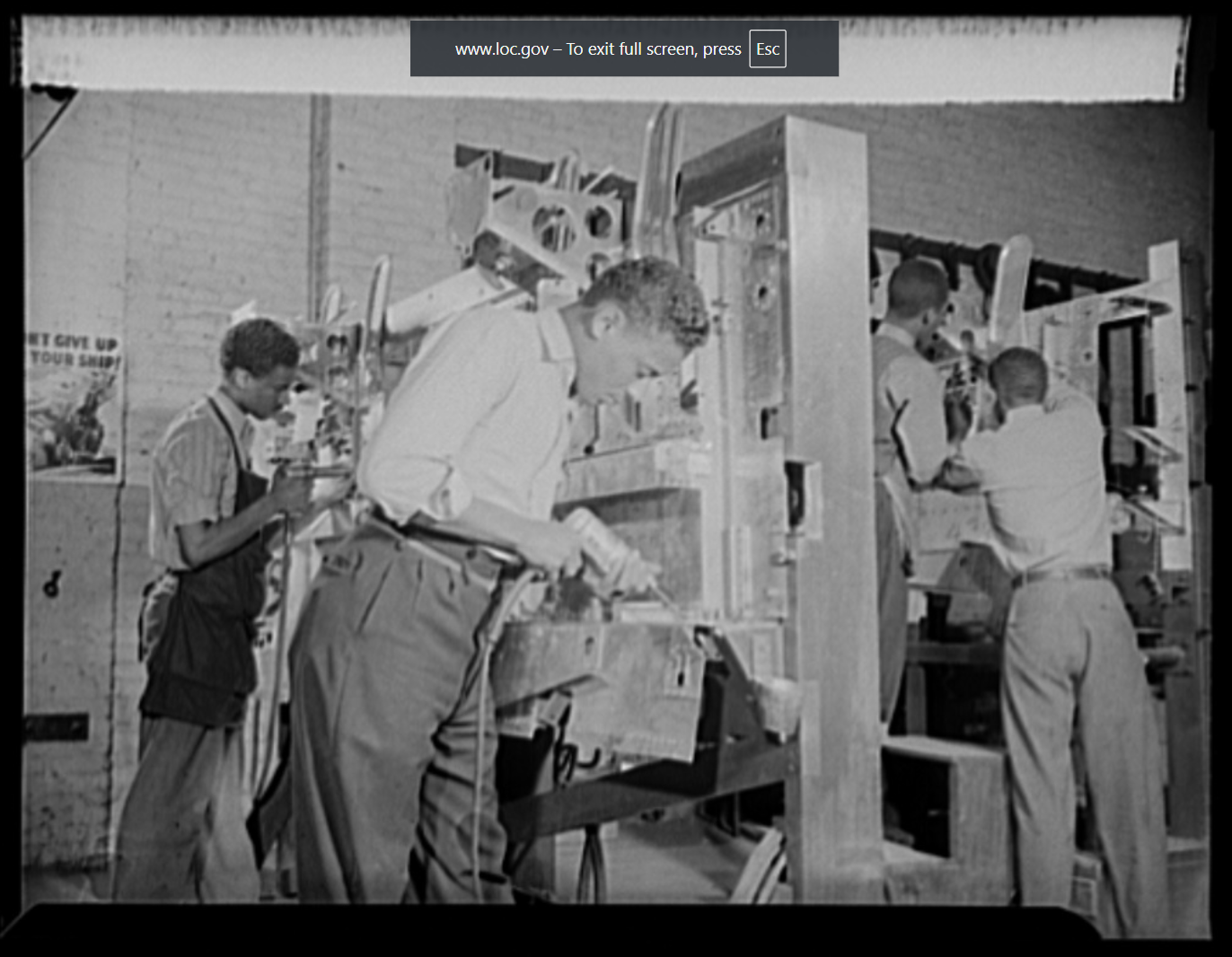
Sometimes stepping back in time helps bring our future into focus. One of our nation’s greatest moments was the all-out effort to win World War II. We converted civilian factories to produce military equipment in short order. We brought millions of new workers into these factories, including women and Black Americans, to get the job done. We developed innovative technologies, production methods, and scientific advancements in months, not decades. While there are many reasons why America and its allies won World War II, the role of this Arsenal of Democracy was indispensable.
It is easy to glorify this entire effort, but it was not without challenges, disruption and failures.
To walk through all of this I turned to Jeremy Dimick of the Detroit Historical Society, which hosts an impressive “Arsenal of Democracy” exhibit at the wonderful Detroit Historical Museum. We talked about how Detroit helped win World War II, how the war changed the city, and why the story still matters at a moment when America is again asking tough questions about its industrial capacity, supply chains, workers, and national purpose.
The Arsenal of Democracy is one of those phrases that has become so familiar it can lose some of its force. President Franklin Roosevelt used it in a December 1940 Fireside Chat, urging the United States to arm democratic nations resisting Nazi Germany and Imperial Japan. At the time, America had not yet entered the war. But Roosevelt understood that factories, workers, engineers, raw materials, and production lines could shape history before troops ever reached a battlefield.
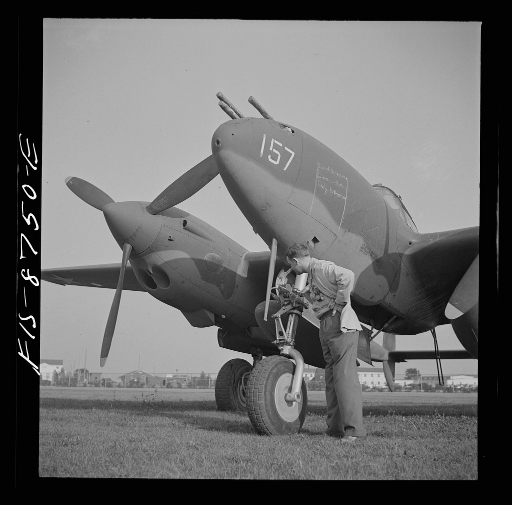
Detroit answered that call. The Detroit Historical Society notes that the city and southeast Michigan produced 30% of the war material generated in the United States before the end of World War II. Automakers stopped making civilian vehicles and converted to tanks, trucks, aircraft, anti-aircraft guns, engines, ammunition, helmets, electronics, landing craft, pharmaceuticals, and countless parts. If it had wheels, wings, armor, wiring, or a complicated production problem attached to it, Detroit likely had a hand in making it.
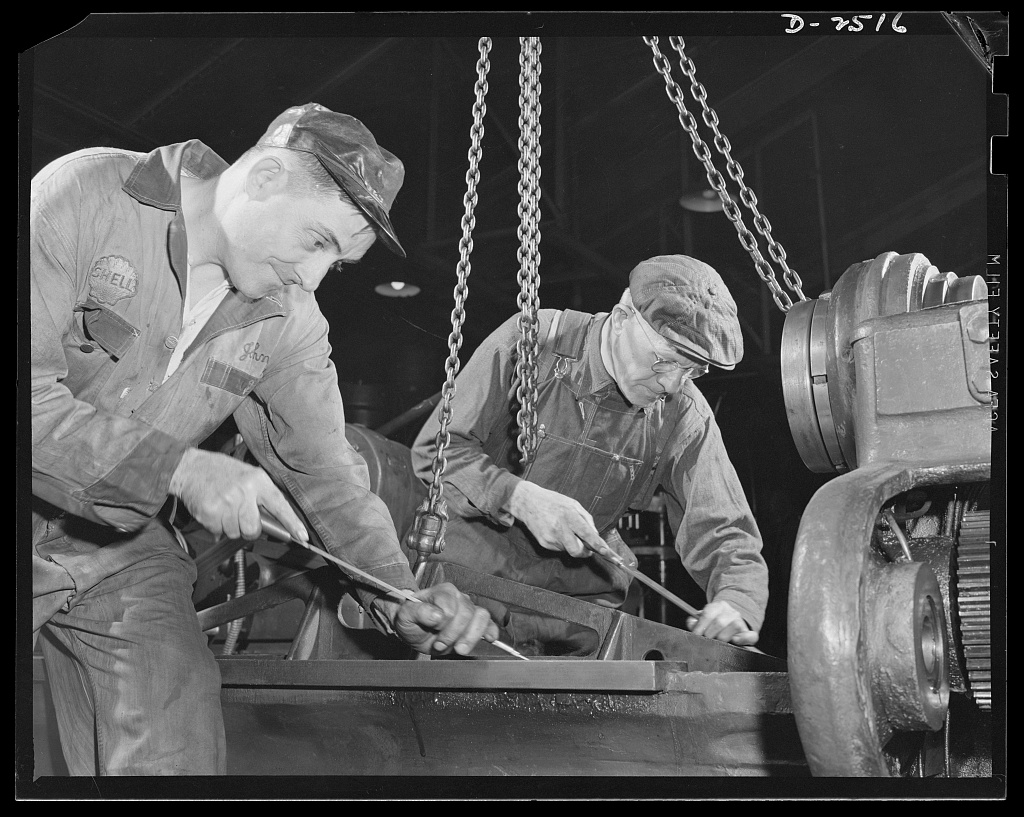
The exhibit wisely does not treat wartime production as a story of machines alone. It is organized around three arenas: the factory, the community, and the home. Manufacturing is never just about what comes off the line. It is about the people who design it, machine it, weld it, inspect it, ship it, maintain it, and live with the consequences of doing all that work at extraordinary speed.
Detroit had obvious advantages. It was already the Motor City. Its automobile industry had mastered scale, standardization, tooling, logistics, and precision. Its location on the Great Lakes gave manufacturers access to iron, coal, and other raw materials. Its engineers and executives knew how to organize production. Its workers knew how to build complicated things.
But nothing about the conversion was automatic. The industry had to retool, often quickly and under immense pressure. Chrysler’s Detroit Arsenal Tank Plant in Warren produced a huge share of America’s tanks. Ford’s Willow Run plant eventually turned out B-24 bombers at the astonishing pace of roughly one an hour. General Motors became a major producer of war materiel. Packard, tool-and-die shops, marine companies, pharmaceutical firms, and smaller suppliers all found their place in the effort.
The list of products is staggering. Detroit companies made tanks, trucks, engines, aircraft components, artillery, ammunition, boats, radios, gas masks, air raid sirens, camp stoves, tents, binoculars, chemicals, and medicine. One fact that stuck with me: The McCord Radiator Company made most of the helmets used by American soldiers during the war. That is the beauty and power of a diversified manufacturing ecosystem. The headline-grabbing bomber or tank gets remembered, but victory also required the subdued products: the fastener, the hose, the helmet, the radio, the drug, the tool, the part that had to work every time.
Jeremy Dimick and I also talked about the other side of the story. The Arsenal of Democracy was an achievement, but it was not a clean or simple one. More than 700,000 Detroit residents worked in factories during the war, many for the first time. People came from across the country for jobs. Unemployment, which had scarred families during the Great Depression, nearly disappeared. Wages rose. Opportunities opened for women and for Black workers, even as discrimination and exclusion persisted.
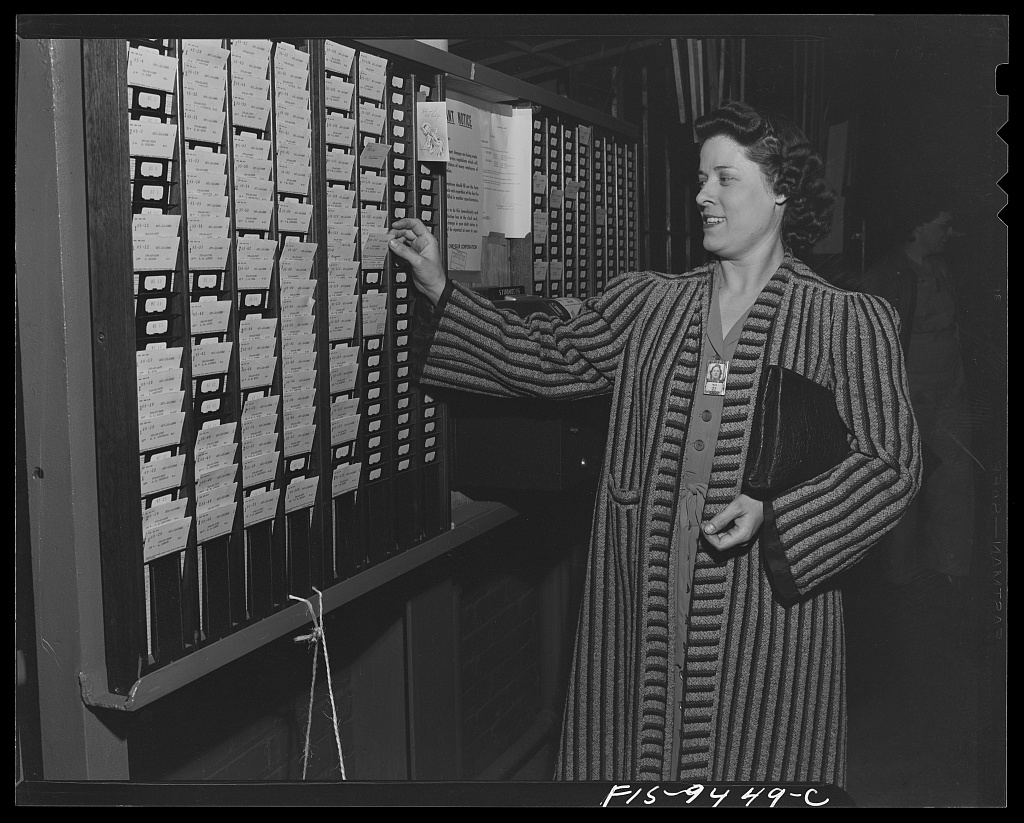
Those gains came with strains. Detroit’s population boom put pressure on housing, transportation, schools, sanitation, and public services. Workers endured long hours and dangerous conditions. Families lived with rationing, scrap drives, war bond campaigns, victory gardens, and the anxiety of loved ones overseas. Racial tensions grew as Black workers moved into jobs and neighborhoods from which they had long been excluded. The war mobilized Detroit, but it also exposed the city’s fault lines.
That is one of the reasons this exhibit is so valuable. It does not let us blur the Arsenal of Democracy into nostalgia. It asks us to admire the achievement while seeing the whole picture. Detroit helped save democracy abroad while wrestling with inequality at home. Its workers built the tools of liberation while demanding a fuller measure of dignity for themselves.
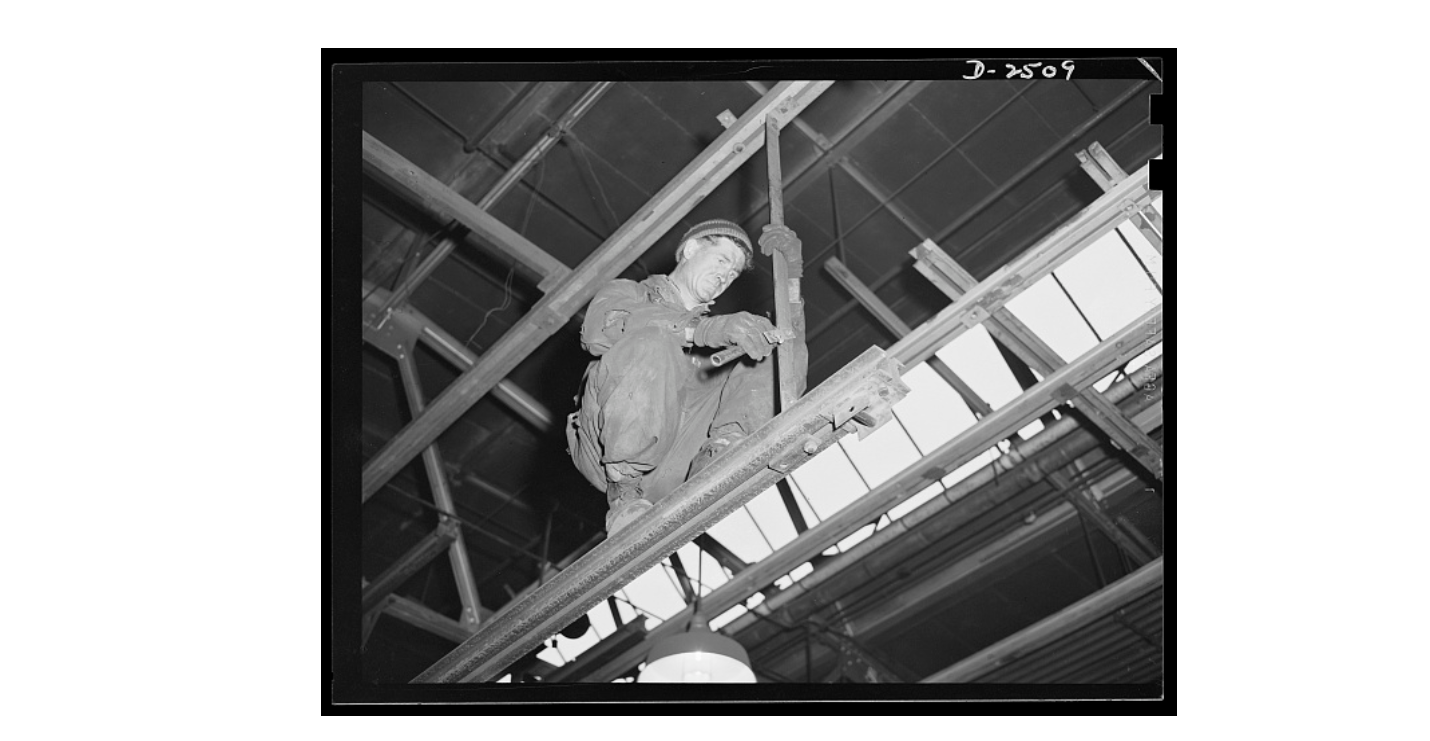
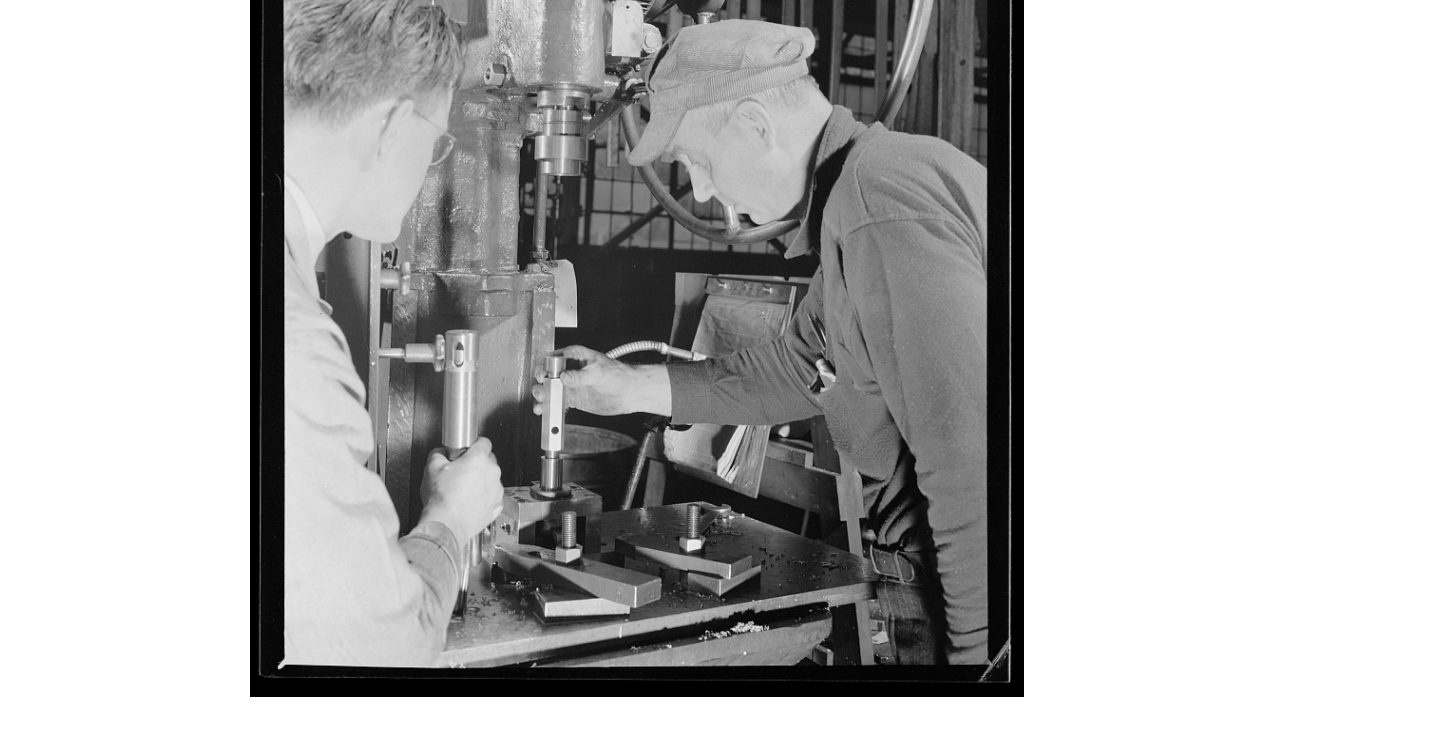
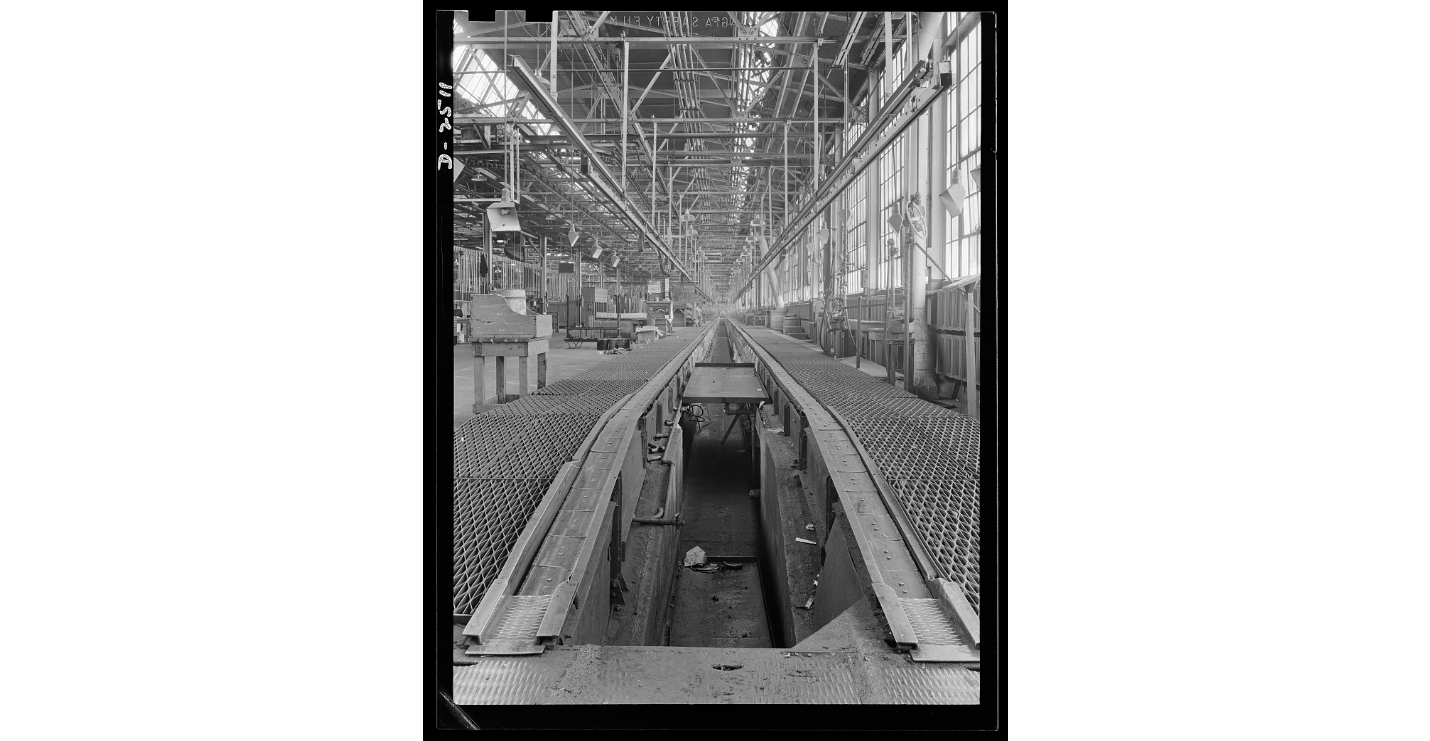
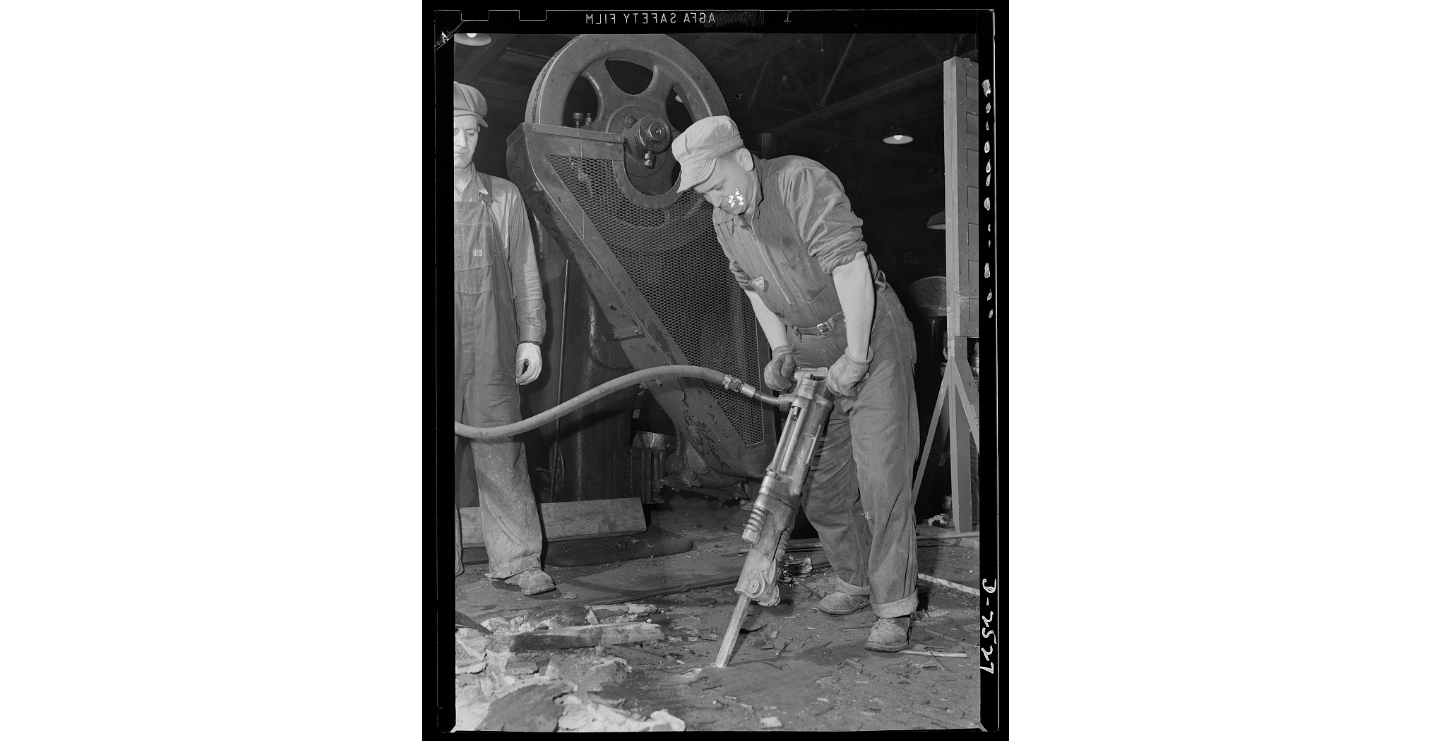
There is a practical lesson here, and it is one policymakers should take seriously. Detroit could become the Arsenal of Democracy because the capacity already existed. The factories were there. The suppliers were there. The skilled workers were there. The engineering talent was there. The logistics networks were there. The raw material connections were there. The know-how was there.
Yes, government mattered enormously. Washington set goals, placed orders, coordinated production, and used public authority to move resources. Labor mattered, too. Roosevelt understood that cooperation between government, industry, and workers was essential. But none of that would have worked if America had first allowed its industrial base to wither.
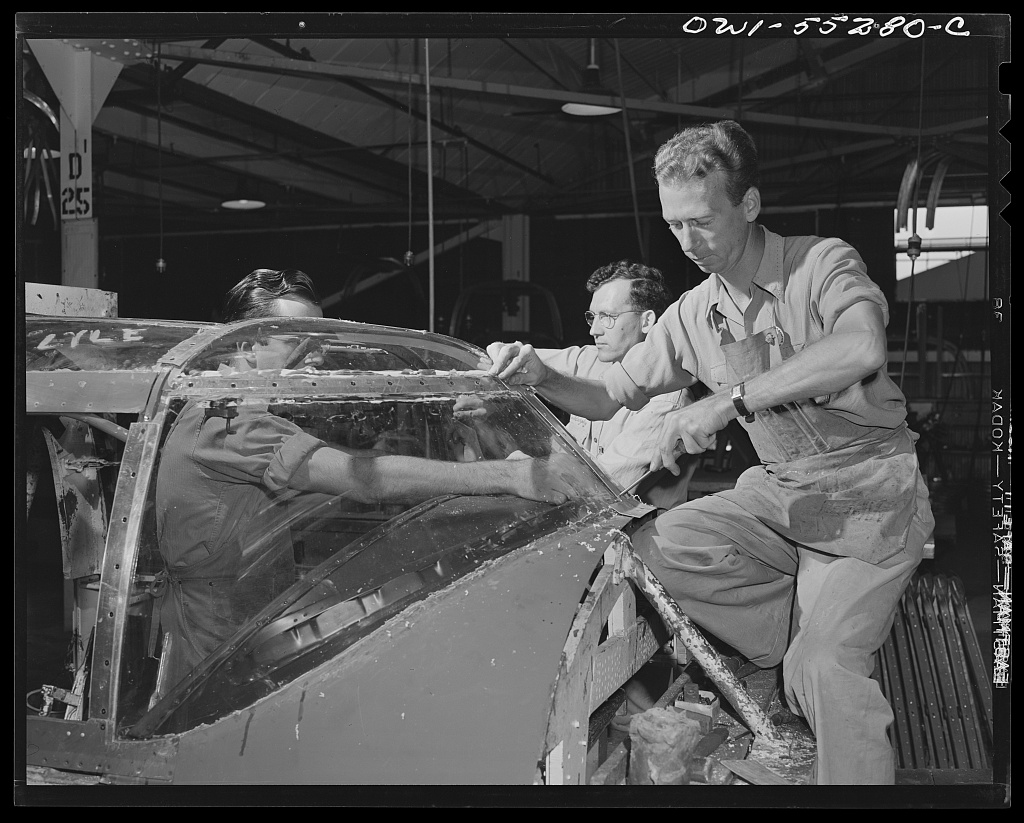
That point feels urgent today. We live in an era of fragile supply chains, geopolitical instability, and industrial competition with nations like China that do not share our democratic values. We have relearned, sometimes painfully, that production is power. A country that cannot make enough semiconductors, ships, steel, medicine, batteries, machine tools, transformers, or defense materials is a country that has chosen vulnerability.
The lesson of the Arsenal of Democracy is not that America should permanently organize its economy for war. It is that democracy needs an industrial foundation. It needs the ability to respond to crises, sustain workers, innovate, and build at scale. It needs supply chains that are resilient rather than merely cheap. It needs workers who are trained, respected, and paid enough to build a middle-class life. It needs public policy that treats manufacturing not as an artifact of the past, but as a pillar of national strength.
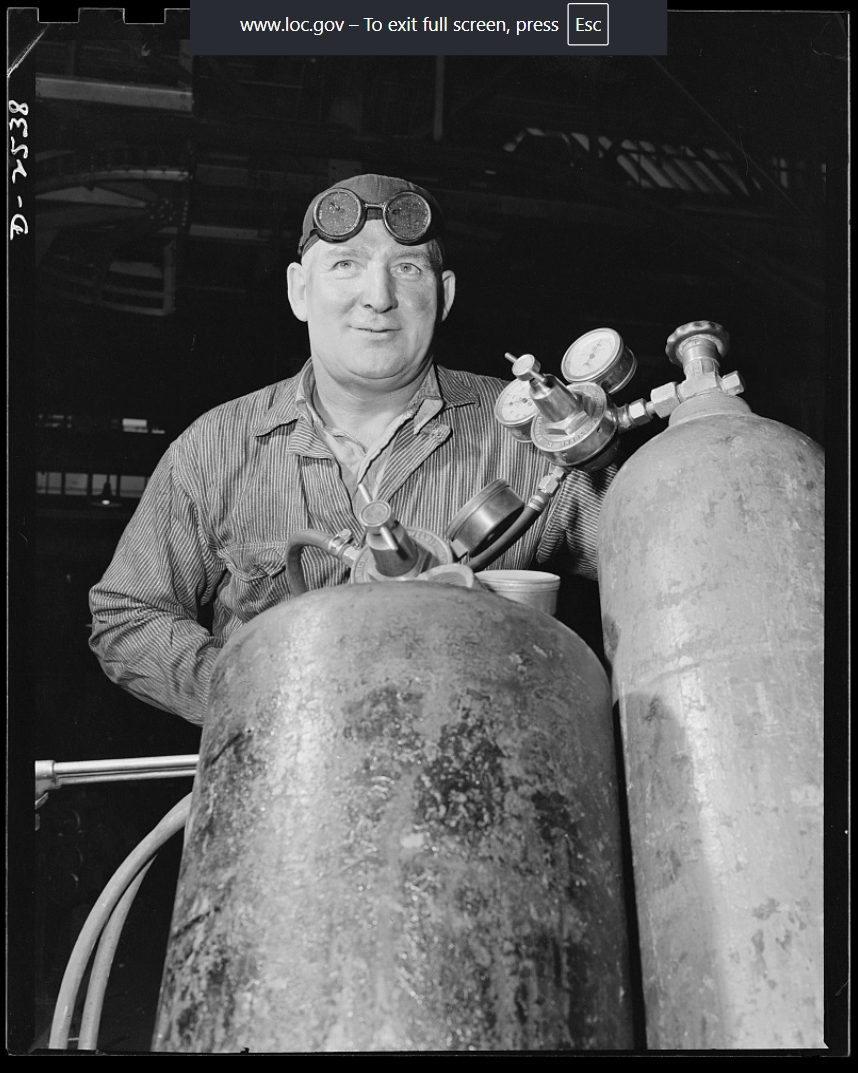
One thing I appreciated about speaking with Jeremy is that museum professionals have a gift for connecting artifacts to people. A tank is not just a tank. A helmet is not just a helmet. A production chart is not just a production chart. Each object points back to a worker, a family, a neighborhood, a shop floor, a set of choices, and a national moment when capacity became destiny.
Detroit’s Arsenal of Democracy story is rightly a source of pride. But pride should not be passive. It should push us. The men and women who powered that mobilization were not superheroes. They were Americans with tools, skills, discipline, imagination, and a common purpose. They built what the moment required.
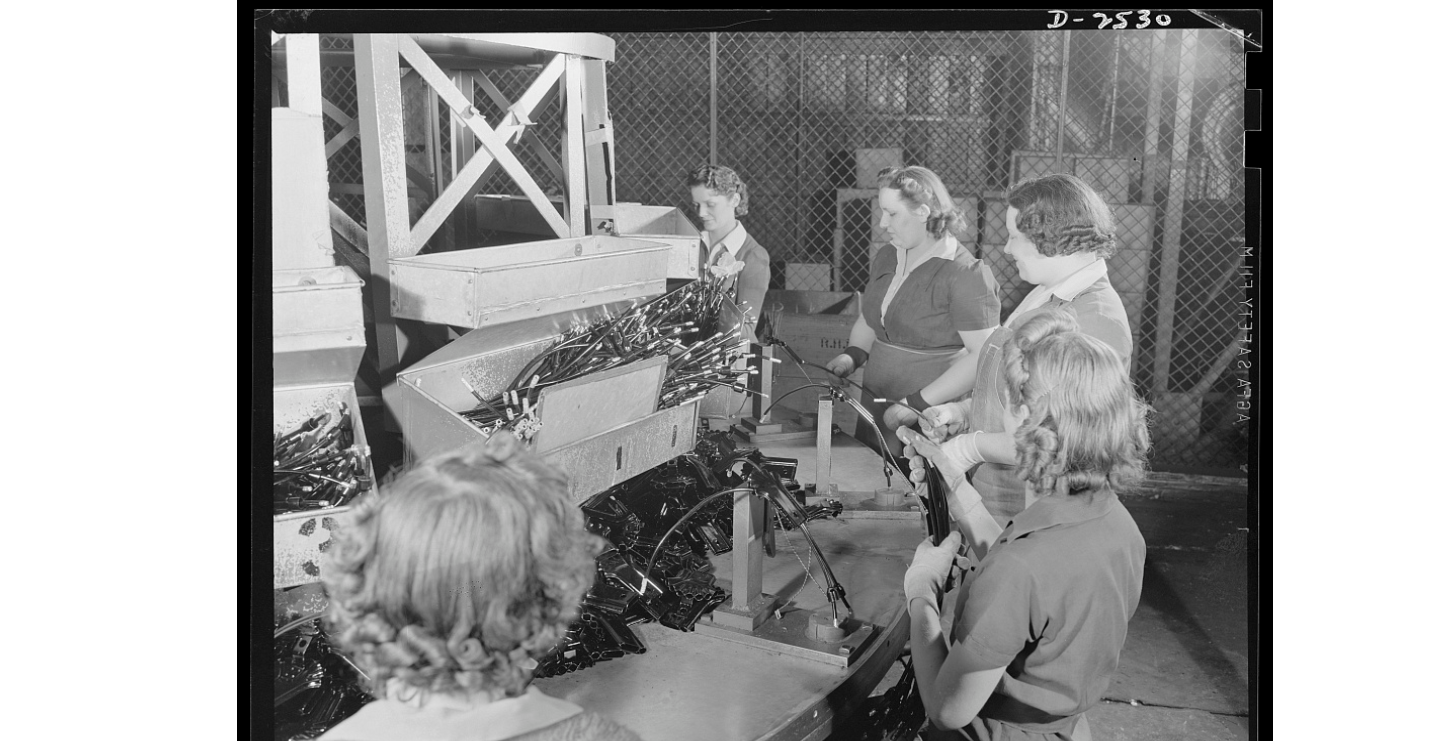
That is the challenge for us now. As the nation marks 250 years of independence, we should tell the manufacturing story in full: the ingenuity, the sacrifice, the conflict, the progress, and the unfinished work. We should visit places like the Detroit Historical Museum not only to remember what happened, but to ask what kind of country we want to be able to build.
The Arsenal of Democracy was not inevitable. It was made. And if America is serious about meeting the tests of the 21st century, our next industrial achievement will have to be made, too.
Additional Resources: There are a few sites in addition to the Detroit Historical Museum worth visiting to learn more about the Arsenal of Democracy, including the National World War II Museum in New Orleans and the Rosie the Riveter WWII Homefront National Historical Park in Richmond, California. If you’d like to read more about the Arsenal of Democracy, I recommend “Freedom’s Forge” by Arthur Herman and “A Call to Arms” by Maury Klein.