AAM Calls for Accountability as USTR Begins a Section 301 into the U.S.-China Phase One Deal
Beijing didn't uphold its end of the 2020 bargain, we argue, another example in its history of broken promises regarding trade.
 machineryasia

Beijing didn’t uphold its end of the 2020 bargain, we argue, another example in its history of broken promises regarding trade.
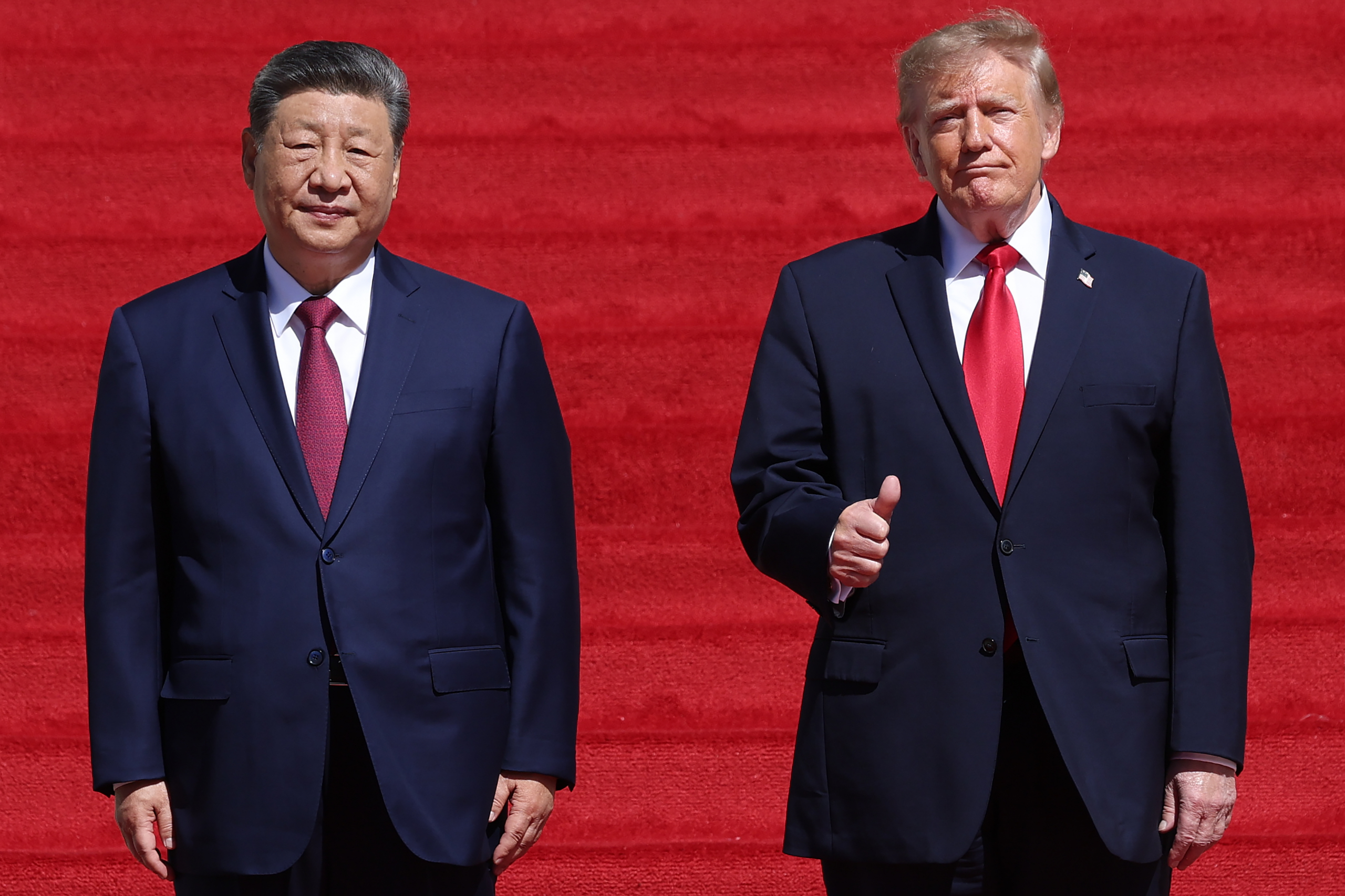
In October, the U.S. Trade Representative’s (USTR) office announced it had launched a new tariff investigation into whether China has complied with the Phase One trade deal it signed with the United States in 2020, during President Donald Trump’s first term. Part of this Section 301 investigation includes a hearing and a comment period.
Did the Alliance for American Manufacturing (AAM) add a comment? You bet we did. Did China stick to the terms of the agreement? No it did not. But first: What was the Phase One deal? It’s been a few years!
The Phase One deal committed Beijing to increase purchases of U.S. farm and manufactured goods, energy and services by $200 billion annually for at least two years, Reuters has noted. But, as AAM argued at the time, the major structural issues that skew bilateral trade between our two countries and have helped build a chronic U.S. trade deficit – issues like industrial subsidies, overcapacity, support for state-owned enterprises and lax labor and environmental rules, among others – were not addressed by the deal.
As such, it was unlikely to dramatically alter the trade balance. But Beijing never fulfilled its purchase agreements anyway! What’s more, AAM writes in its comments to USTR, China “has made no meaningful progress on promised structural reforms in intellectual property protection, forced technology transfer, or agricultural market access.”
“It is highly unlikely that China will ever adopt or demonstrate a sustained commitment to market economy principles, nor will it cease to deploy predatory trade and investment policies that harm U.S. interests. Its history of broken promises is lengthy, and any future hopes that Beijing will act in a responsible manner are sure to be dashed. China’s failure to honor its Phase One commitments demands a strong and sustained response.”
To restore fairness and credibility in U.S.-China trade relations, we urge USTR and the Trump administration to:
1. Demand full and verifiable compliance with the Phase One agreement and all commitments made by China under the recent November 2025 trade and economic framework;
2. Maintain and strengthen, where appropriate, all tariffs currently imposed on China – including Section 301 and 232 measures – to address both the direct and indirect flows of unfair and predatory trade originating from China;
3. Resume the Section 301 responsive actions on shipbuilding as soon as reasonably practicable allowing U.S. capabilities to improve;
4. Continue working to address transshipment and trade circumvention and avoid diluting such actions during negotiations with global trading partners; and
5. Work with Congress to revoke China’s permanent normal trade relations (PNTR) status, modernize our nation’s trade remedy tools, and strengthen outbound investment screening.
You can find more information regarding USTR’s Section 301 investigation into China’s Phase One adherence here. And you can find our comments on the investigation here.