Will Clawing Back Tariffs Cut into Manufacturing Jobs?
Incoming Congressional Democrats have suggested they’ll go after one of President Trump’s preferred trade tools, writ large. It’s been roughly a week since the federal midterm elections returned sweeping wins for Congressional Democrats and, as the old saying goes, victory […]
 machineryasia

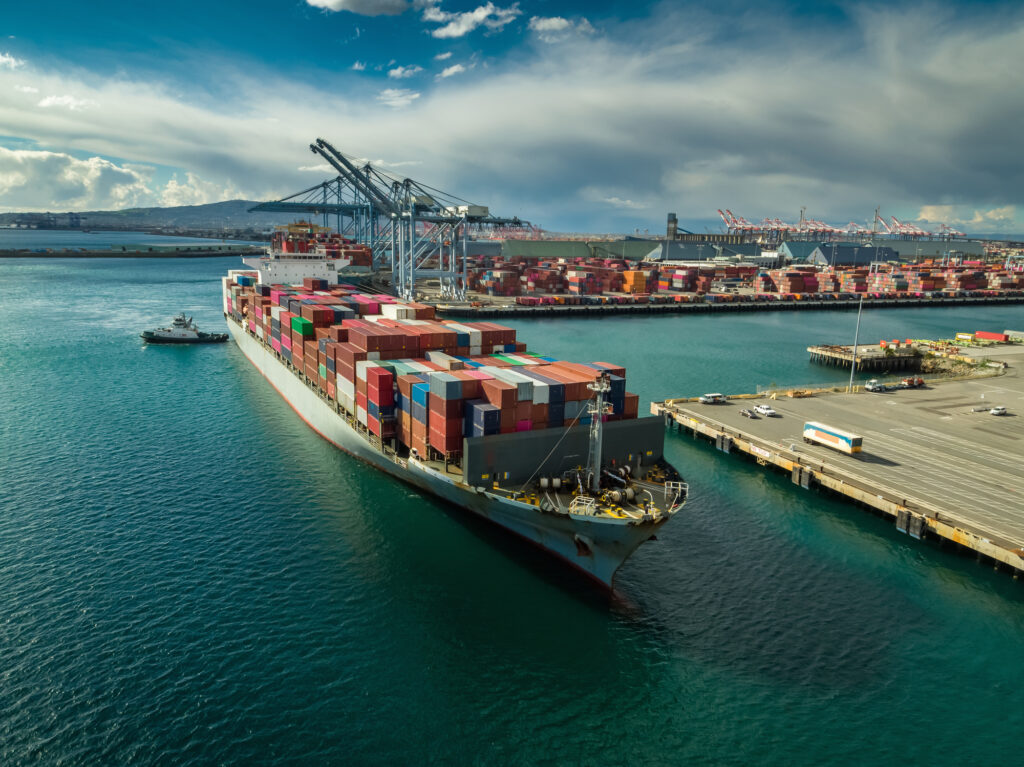
Incoming Congressional Democrats have suggested they’ll go after one of President Trump’s preferred trade tools, writ large.
It’s been roughly a week since the federal midterm elections returned sweeping wins for Congressional Democrats and, as the old saying goes, victory has a hundred fathers.
What spurred the Democrats’ victory? Opposition to aggressive immigration enforcement? High energy costs brought on by the ongoing war against Iran? Or perhaps it was a general antipathy to President Donald Trump’s tariff regime?
It depends on which opinion page you read or which cable news panel you caught. But while some reporting suggests Congress is preparing to take aim at tariff policy writ large, there’s a lot more nuance to this debate than can be fit into a headline. That nuance was on display in a Wall Street Journal article that details Democratic plans to try to rescind the tariffs the Trump administration has placed on some Canadian imports.
From the article:
Most Democrats object to Trump’s more extreme uses of tariffs, like those on Canada, said former Rep. Dan Kildee, a Democrat who represented Flint, Mich., for 10 years before stepping down in 2023. However, “where we do see some disagreement is on specific, targeted tariffs and trade actions,” he added, such as levies on steel, aluminum or other national security-related sectors.
Such dynamics mean that fundamental rewrites of major U.S. trade laws are unlikely in the next two years—particularly on statutes that had been used by presidents before Trump. Those include Section 232 of the Trade Expansion Act of 1962, which underpins Trump’s tariffs on steel, aluminum, automobiles and other industries, and Section 301 of the Trade Act of 1974, the foundation of tariffs on 60 nations based on forced-labor allegations, and coming levies based on industrial subsidies in foreign countries.
“Basically every Democrat is on record against the Canada tariffs,” said Peter Harrell, former head of international economic policy on the Biden administration’s National Security Council. “Where it gets more complicated is proposals to meaningfully constrain Section 301 and Section 232.”
Indeed, restraining Section 232 and Section 301 tariff authorities would likely cause cracks to form in the Democratic caucus. And that’s because there are industries and workers all over the country that have recently benefited from the imposition of targeted tariffs on critical industries and specific bad actors, respectively — and it has been Democratic and Republican presidents who have imposed them. A wholesale rollback of tariff authorities does not account for the detail that a debate over trade enforcement and the use of tariffs truly deserves.
Alliance for American Manufacturing President Scott Paul, commenting last week on the 19,000 manufacturing jobs the economy produced in October, cautioned against an overreach against tariffs that could endanger employment gains:
“The strength of factory job growth gives the new Democratic majority in Congress and President Trump an important opportunity to work together next year: Rebuild our manufacturing base. It should also serve as a reminder to Congress that there would be downsides in stripping away all of the tariffs now in place.
“Durable goods manufacturing is benefiting from the steel and China tariffs. We will urge on bipartisan efforts to invest in infrastructure, jumpstart our shipbuilding capacity, and defend critical industries against unfair trade practices by enacting trade law improvements.”
We’ll be watching as the incoming Congress details its plans and the trade and tariff debate evolves.