Why Equipment Down Times Become Costly in Road Construction Projects
Timing plays a crucial role in road construction projects. Equipment such as excavator, grader, roller, loader, and paver work in a certain order; therefore, any failure in one piece of equipment affects other crew members. It becomes costly to maintain equipment as the cost of repair is just a small part. Lost labor hours, unused […] The post Why Equipment Down Times Become Costly in Road Construction Projects appeared first on World Construction Today.
 machineryasia
Timing plays a crucial role in road construction projects. Equipment such as excavator, grader, roller, loader, and paver work in a certain order; therefore, any failure in one piece of equipment affects other crew members. It becomes costly to maintain equipment as the cost of repair is just a small part. Lost labor hours, unused rented equipment, delayed delivery and even project delay are some of the things that come along with the unexpected equipment breakdowns.
It is due to the reason that contractors usually examine the condition of their fleet of machines before embarking on major road projects. In case the machinery needs to be replaced rather than repaired, then it is because of the losses associated with the project. In such cases, heavy construction equipment financing may become an integral part of the project as the contractor will have the ability to lease necessary machinery while conserving his liquidity.
Why one breakdown can stop several crews
Heavy equipment rarely works alone on a road project. Most machines depend on other machines completing their part of the job first.
A grader may need material delivered by dump trucks before it can shape the road base. A roller follows after grading. Paving crews may then depend on the surface being prepared correctly and on schedule. If one important machine fails, the next stages can slow down or stop completely.
This results in an effect called chain reaction. Laborers could be idle while waiting for the equipment to arrive on the site. Trucks could be idle due to lack of unloading space. It would not be easy to reschedule the delivery of asphalt since it requires specific handling procedures.
Project managers have to consider the importance of each machine in the entire production process. A breakdown of a minor machine will lead to minimal delay. A problem with a major machine like excavators, graders, and pavers will have a more significant effect on the overall construction process.
The cost implications also increase when the labor force is being paid per hour.
Maintenance has to follow real operating conditions
A service schedule according to hours of operation is usually supplied by manufacturers, but working environments can be very different. Road equipment operates under dust, heat, mud, vibrations, and extended workdays. This will result in accelerated wear, and some parts may not last as long as predicted.
Maintenance has to go beyond regular lubrication and filter replacements. The operator and mechanic have to be able to identify warning signals.
Typical signs are:
- hydraulic leaks
- unusual vibration
- rising engine temperature
- changes in fuel consumption
- damaged houses
- tire or track wear
- unusual sounds during operation
Spotting the problem early helps avoid having what might have been an easy fix turn into a complete breakdown.
The benefits of daily inspection are especially important for equipment which runs long hours per day. The operator will most likely spend more time with the machinery than any other individual, thus being able to recognize problems early on.
It is possible for an equipment operator to do basic inspections both before and after their shift in order to spot any loose parts, fluid leaks, or other potential issues.
Older equipment needs closer cost tracking
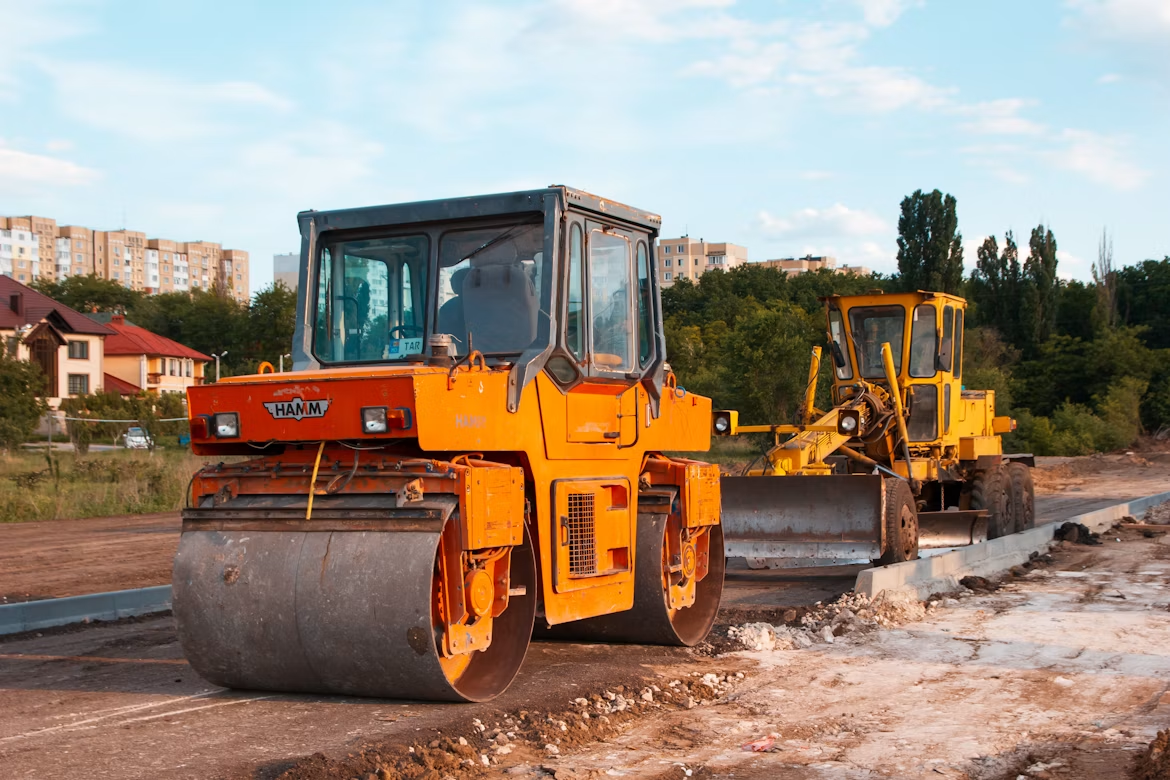
The maintenance of the old equipment appears to be economically viable as there is no cost involved in purchasing a new one. However, the maintenance cost increases as the age of the equipment increases.
It is all about what the cost of the machine is per hour of production.
A machine that requires frequent repairs may have a low book value while still creating high operating costs. Contractors should include repair bills, parts, mechanic time, lost production, and replacement rental costs when reviewing the performance of older equipment.
Downtime history can be particularly useful. If the same machine has caused several project delays during the past year, this may indicate that replacement should be considered before another major contract begins.
Resale value is another factor. Waiting too long to sell aging equipment can reduce the amount recovered from the machine. A planned replacement may allow the contractor to sell while the equipment still has useful market value.
Fleet managers can review each machine using a few basic figures:
- annual operating hours
- maintenance cost per hour
- repair frequency
- downtime days
- fuel consumption
- remaining resale value
These numbers make equipment decisions easier to explain and reduce the risk of relying only on personal impressions.
Spare equipment can protect the schedule
Large contractors sometimes keep backup equipment for machines that are critical to daily production. This adds ownership costs, but it can also protect the project schedule.
Smaller contractors may not be able to keep duplicate machines in the fleet. In that case, relationships with local rental companies can provide another layer of protection.
Knowing which machinery is available close by could save a lot of time in case of emergencies. It is also important to be aware of delivery charges, rental charges, and minimum rental period before an emergency situation arises.
Some companies use both leased and owned equipment. The core equipment that will be used consistently will stay with the company, while the special or less often used equipment will be leased when necessary.
This way, you can lower the amount of underused equipment but at the same time use the extra machinery when there is high demand.
It is also important to think about spare parts. Filters, hoses, blades, belts, and other spare parts can sometimes be stocked up at the facility. Waiting for a few days until a relatively inexpensive part arrives can be frustrating when that one part prevents an expensive piece of equipment from working.
Fleet data can reveal problems earlier
Telematics systems that automatically collect the operating data of the equipment are common in modern construction machines.
This allows tracking such parameters as engine hours, idle time, fuel consumption, location, and maintenance reminders.
Such data can be very helpful for road construction contractors who own a number of machines distributed throughout several sites.
Too high idle time may indicate inefficient scheduling of the equipment. Increased or decreased fuel consumption may be a sign of a malfunction. Maintenance reminders can help to arrange service before the next maintenance period of the machine.
Data collection will be particularly helpful in case of equipment distribution over several projects since managers won’t need to rely solely on manual reports from the different sites.
The point here is to make use of collected data in order to prevent any downtime before it impacts the production process. It’s much easier to do preventive maintenance during an idle time than fix something while paving or earthmoving.
There are several considerations associated with road construction projects that are uncontrollable by nature, like the weather, traffic regulations, material deliveries, and so forth. Equipment reliability is an example of something that proper planning may help improve significantly.
Construction companies that monitor operational costs, take care of machinery under actual conditions of work, plan for contingencies, and dispose of malfunctioning machinery at the proper time will avoid unnecessary delays and keep crews efficient. For big road construction projects, even small gains in machinery availability can be substantial.
The post Why Equipment Down Times Become Costly in Road Construction Projects appeared first on World Construction Today.