USTR Greer to Senate Appropriators: Tariffs Give Me Leverage
The Trump administration's top trade negotiator details the strategy behind the numerous trade negotiations underway.
 machineryasia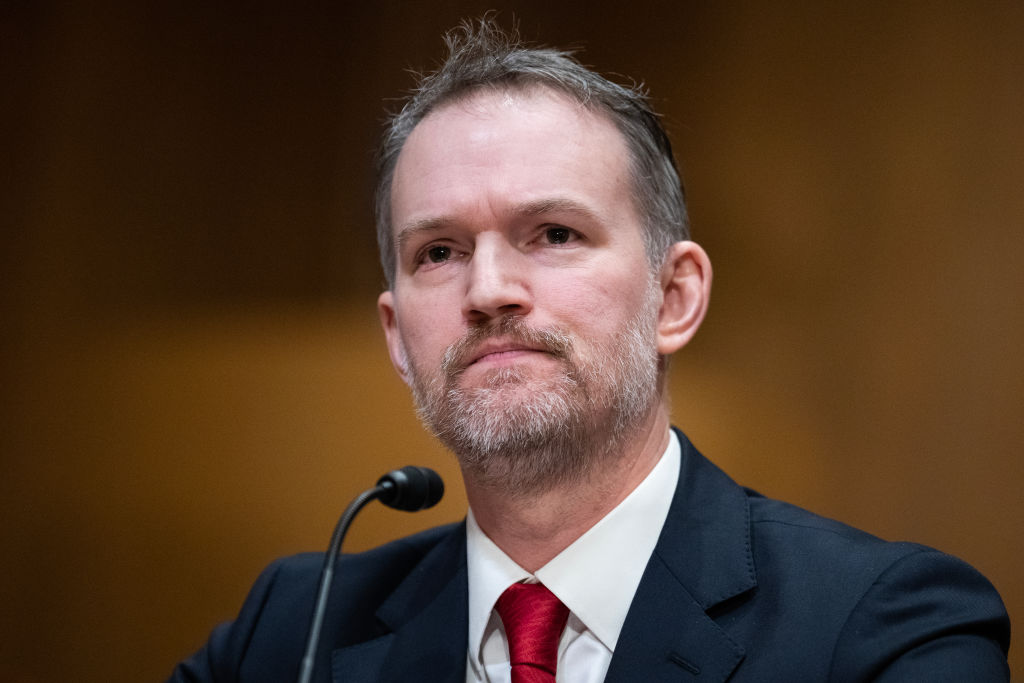
The Trump administration’s top trade negotiator details the strategy behind the numerous trade negotiations underway.
United States Trade Representative Jamieson Greer appeared this week before the U.S. Senate Appropriations Committee, where he made the case for an increased budget for his office and answered questions from lawmakers about the administration’s trade agenda.
The Trump administration is simultaneously repositioning U.S. trade relationships with China and a host of other partners. Lawmakers focused their questions on next year’s scheduled review of the trade deal that replaced NAFTA and the reciprocal tariffs the administration has implemented this year. And while there’s a lot to follow and manage,the ambassador refused characterizations by some who called it chaos. “There is a strategy,” he told Politico in an interview last week, adding that “you don’t change 70 years of trade policy overnight.”
“A lot of people focus on April 2 Liberation Day. We announced potentially very, very high tariffs. But I would focus people more on Aug. 1, and I use that date because that is the date where the president really set the tariff rates, and where we announced a bunch of deals,” Greer said. “And from there, the structure that has played out demonstrates the strategy that we have.”
The ambassador is referring to numerous bilateral agreements the administration has signed since April 2 when President Trump raised tariffs on virtually all U.S. imports in response to persistent and worsening trade deficits that erode the U.S. economy. These tariffs have since served as leverage in all those negotiations. However, the fate of those tariffs maybe decided by the U.S. Supreme Court, which is considering the legality of their implementation, but we at the Alliance for American Manufacturing (AAM) know chronic trade deficits that have hollowed out the national industrial base are clearly a matter of national security.
What of the other trade issues facing the USTR’s office? It’s preparing for a 2026 statutory review of the USMCA agreement that binds the United States, Canada and Mexico into a trade zone. AAM has repeatedly sounded the alarm about some of the USMCA’s weaknesses that are being exploited by China to gain duty-free U.S. market access and its rules of origin (ROO) that allow content and manufactured parts produced outside the continent to avoid our own trade enforcement tools.
The ambassador signaled his office is hearing those concerns. “I think [ROO] need to be addressed because I want to make sure the benefits of the agreement go to the members of the agreement and not some third country in Asia somewhere,” he said in response to a question about the agreement. A report to Congress outlining USTR’s USMCA negotiating priorities is due in January.
And what about the trade position vis a vis China? Greer spoke to it directly in his closing remarks. “If we continue the type of trade policy and global trade system we’ve been working under for decades then we’ll continue to have the result we have, which is all the manufacturing has gone to China and Vietnam and elsewhere and that all of our manufacturers and all the 70,000 factories we lost following NAFTA and the WTO accession of China; none of that will change,” he said.
Greer went on:
“I can’t control other countries; I can influence them if I have leverage, which is what tariffs give me. They protect our industry, but they also give leverage, and that’s why we keep some of the tariffs and we take some of them off. And we’re going country by country. If you look at the program that’s been established, the highest tariffs are in China and Asia and Vietnam and these places where there’s a lot of overcapacity. And it‘s not about being anti-China or anti-anybody; it’s about being pro-America and pro-American worker. And the farther you get away from that locus of overcapacity, the lower the tariffs get.
“Do we have tariffs on our allies? Japan, Korea, the [European Union]? Sure we do. They have giant surpluses with us, and many exist because of non-market practices. It’s not because Europe’s competitive. They have terrible policy when it comes to energy and regulation and all this stuff. It’s because they have unfair trade practices, and by the time you get to the Western Hemisphere that’s where we have the lowest tariffs and that’s not a mistake. That’s strategic. That where we want to have a lot of our supply chains.”
You can read Ambassador Greer’s Politico interview here and watch his appearance before the Senate Appropriations Committee here.