Tower cranes support urban transformation project
Five Liebherr tower cranes have been deployed on the LOVT Vision construction site in Munich to address confined inner-city conditions, optimise lifting operations and ensure precise, safe progress on the mixed-use development. www.liebherr.com The LOVT Vision project on Rosenheimer Street in Munich is a large-scale urban redevelopment initiative covering around 390,000 m² that combines residential, office and public spaces. Construction began in December 2025 with completion planned for the end of 2027. Due to its central location, integration with existing structures and limited space, heavy lifting and material handling under tight conditions posed a significant challenge to planners and builders. Precise coordination of logistics and construction sequences was essential to maintain safety and productivity within the dense urban environment. Technical solution and deployment rationale To meet these demands, the project team selected a combination of Liebherr tower cranes tailored to different phases and tasks of the build. A total of five cranes were deployed: One 520 EC-B 20 Fibre crane for heavy lifting operations, featuring lighter fibre rope technology that improves handling precision, extends service life and reduces maintenance needs. One 230 HC-L 8/16 luffing jib crane, valuable where slewing space is restricted due to its compact design and adjustable jib radius. Three 160 EC-B 8 Litronic flat-top cranes with efficient assembly and operational flexibility. Project planners chose this mix to balance high lifting capacities with manoeuvrability in tight urban zones, enabling efficient material movement without compromising safety or interfering with surrounding structures. Planning and support Due to restricted visibility in certain areas and complex construction sequences, detailed crane deployment planning was critical. This planning — including assembly and dismantling concepts — was developed by Nagel Mietservice GmbH in close coordination with Markgraf. Their role ensured that cranes were positioned for optimal operation and that lifting tasks could be performed safely and efficiently throughout various construction stages. Service support from Nagel Mietservice was cited as a key decision factor in selecting the Liebherr cranes, reflecting the importance of reliable project-wide support for long-term urban builds. Outcomes and broader impact While specific productivity metrics were not disclosed, the deployment of this crane configuration enabled systematic handling of materials and equipment in conditions that would otherwise slow progress. The lighter fibre rope technology on the 520 EC-B crane and the compact design of the HC-L model improved operational efficiency and reduced downtime for maintenance. Planners highlighted the cranes’ precision control and adaptability as important contributors to maintaining workflow quality in a constrained site. The LOVT Vision project itself incorporates sustainability goals, including significant public green space, biodiversity elements such as habitats for 60,000 bees, and a mix of timber and concrete construction methods aimed at CO₂-neutral outcomes. The crane solution supported these ambitions by enabling safe, efficient work in complex conditions, contributing to the project’s broader urban quality and environmental objectives. www.liebherr.com Powered by Induportals Media Publishing
 machineryasia
Five Liebherr tower cranes have been deployed on the LOVT Vision construction site in Munich to address confined inner-city conditions, optimise lifting operations and ensure precise, safe progress on the mixed-use development.
www.liebherr.com
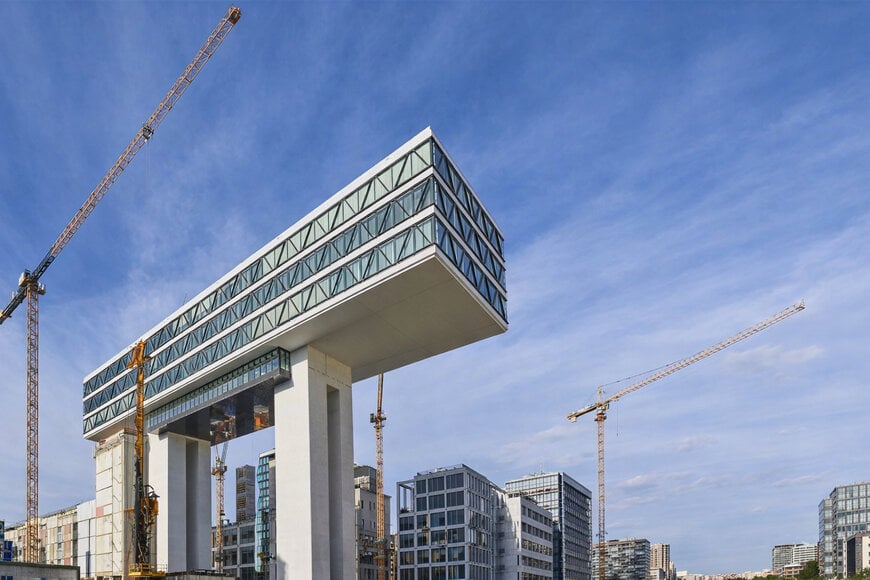
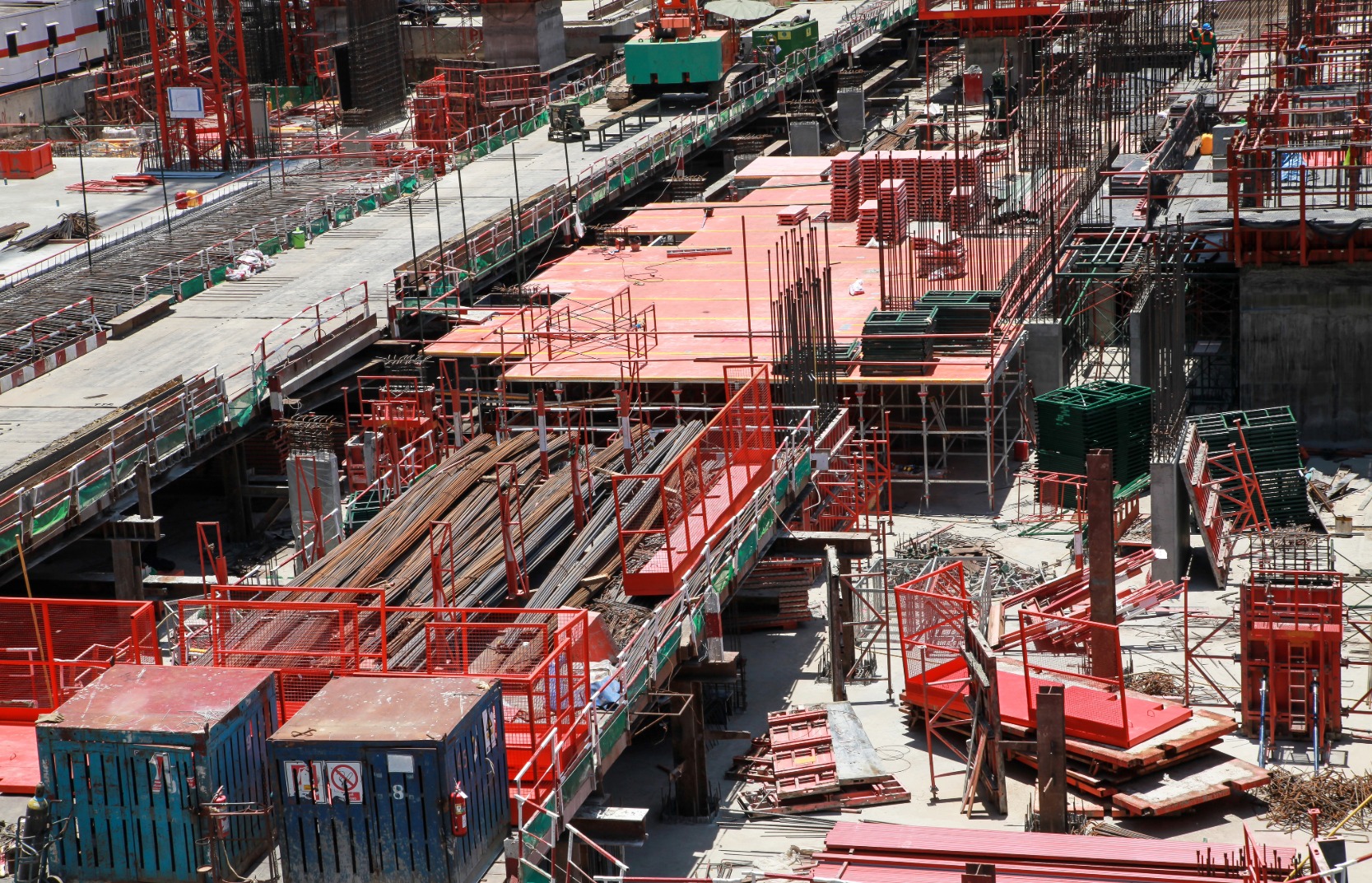
The LOVT Vision project on Rosenheimer Street in Munich is a large-scale urban redevelopment initiative covering around 390,000 m² that combines residential, office and public spaces. Construction began in December 2025 with completion planned for the end of 2027. Due to its central location, integration with existing structures and limited space, heavy lifting and material handling under tight conditions posed a significant challenge to planners and builders. Precise coordination of logistics and construction sequences was essential to maintain safety and productivity within the dense urban environment.
Technical solution and deployment rationale
To meet these demands, the project team selected a combination of Liebherr tower cranes tailored to different phases and tasks of the build. A total of five cranes were deployed:
- One 520 EC-B 20 Fibre crane for heavy lifting operations, featuring lighter fibre rope technology that improves handling precision, extends service life and reduces maintenance needs.
- One 230 HC-L 8/16 luffing jib crane, valuable where slewing space is restricted due to its compact design and adjustable jib radius.
- Three 160 EC-B 8 Litronic flat-top cranes with efficient assembly and operational flexibility.
Project planners chose this mix to balance high lifting capacities with manoeuvrability in tight urban zones, enabling efficient material movement without compromising safety or interfering with surrounding structures.
Planning and support
Due to restricted visibility in certain areas and complex construction sequences, detailed crane deployment planning was critical. This planning — including assembly and dismantling concepts — was developed by Nagel Mietservice GmbH in close coordination with Markgraf. Their role ensured that cranes were positioned for optimal operation and that lifting tasks could be performed safely and efficiently throughout various construction stages. Service support from Nagel Mietservice was cited as a key decision factor in selecting the Liebherr cranes, reflecting the importance of reliable project-wide support for long-term urban builds.
Outcomes and broader impact
While specific productivity metrics were not disclosed, the deployment of this crane configuration enabled systematic handling of materials and equipment in conditions that would otherwise slow progress. The lighter fibre rope technology on the 520 EC-B crane and the compact design of the HC-L model improved operational efficiency and reduced downtime for maintenance. Planners highlighted the cranes’ precision control and adaptability as important contributors to maintaining workflow quality in a constrained site.
The LOVT Vision project itself incorporates sustainability goals, including significant public green space, biodiversity elements such as habitats for 60,000 bees, and a mix of timber and concrete construction methods aimed at CO₂-neutral outcomes. The crane solution supported these ambitions by enabling safe, efficient work in complex conditions, contributing to the project’s broader urban quality and environmental objectives.
www.liebherr.com
Planning and support
Due to restricted visibility in certain areas and complex construction sequences, detailed crane deployment planning was critical. This planning — including assembly and dismantling concepts — was developed by Nagel Mietservice GmbH in close coordination with Markgraf. Their role ensured that cranes were positioned for optimal operation and that lifting tasks could be performed safely and efficiently throughout various construction stages. Service support from Nagel Mietservice was cited as a key decision factor in selecting the Liebherr cranes, reflecting the importance of reliable project-wide support for long-term urban builds.
Outcomes and broader impact
While specific productivity metrics were not disclosed, the deployment of this crane configuration enabled systematic handling of materials and equipment in conditions that would otherwise slow progress. The lighter fibre rope technology on the 520 EC-B crane and the compact design of the HC-L model improved operational efficiency and reduced downtime for maintenance. Planners highlighted the cranes’ precision control and adaptability as important contributors to maintaining workflow quality in a constrained site.
The LOVT Vision project itself incorporates sustainability goals, including significant public green space, biodiversity elements such as habitats for 60,000 bees, and a mix of timber and concrete construction methods aimed at CO₂-neutral outcomes. The crane solution supported these ambitions by enabling safe, efficient work in complex conditions, contributing to the project’s broader urban quality and environmental objectives.
www.liebherr.com
Powered by
Induportals Media Publishing