This Woman-Owned Apparel Line is Modernizing Game Day Style
Kiya Tomlin comes from a famous football family and designs NFL-licensed clothing for a demographic the pro game typically overlooks. All of it is made just outside of Pittsburgh.
 machineryasia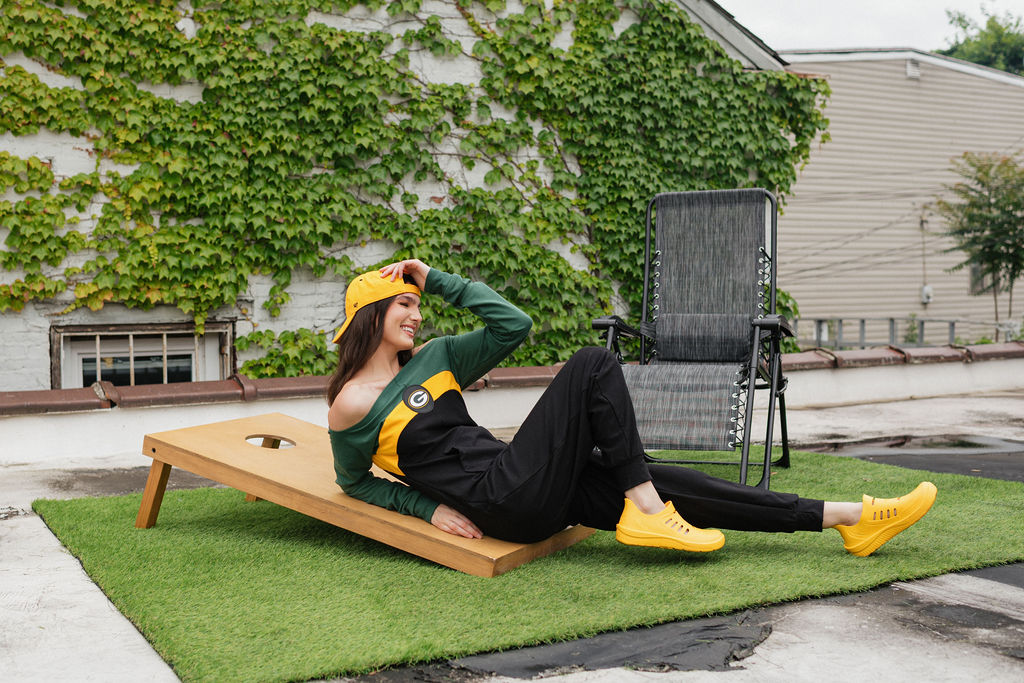
Kiya Tomlin comes from a famous football family and designs NFL-licensed clothing for a demographic the pro game typically overlooks. All of it is made just outside of Pittsburgh.
The World Cup is in the books. Basketball and hockey seasons have concluded. And while Americans have Major League Baseball to entertain them this summer, the National Football League season is just a short kick away.
Football has by far become America’s pastime as more than half of the U.S. sports fans (53%) say America’s sport is football, almost twice as much as those who still insist it is baseball (27%).
While athletes and teams are gearing up for the new NFL season (the first preseason game is Thursday, Aug. 6), so too are the fans. New team apparel, like jerseys and t-shirts, is for sale from behemoth brands like Nike who most often manufacture goods outside the U.S.
For women who partake in the full NFL experience, apparel choices have historically been limited to jerseys or anything pink.
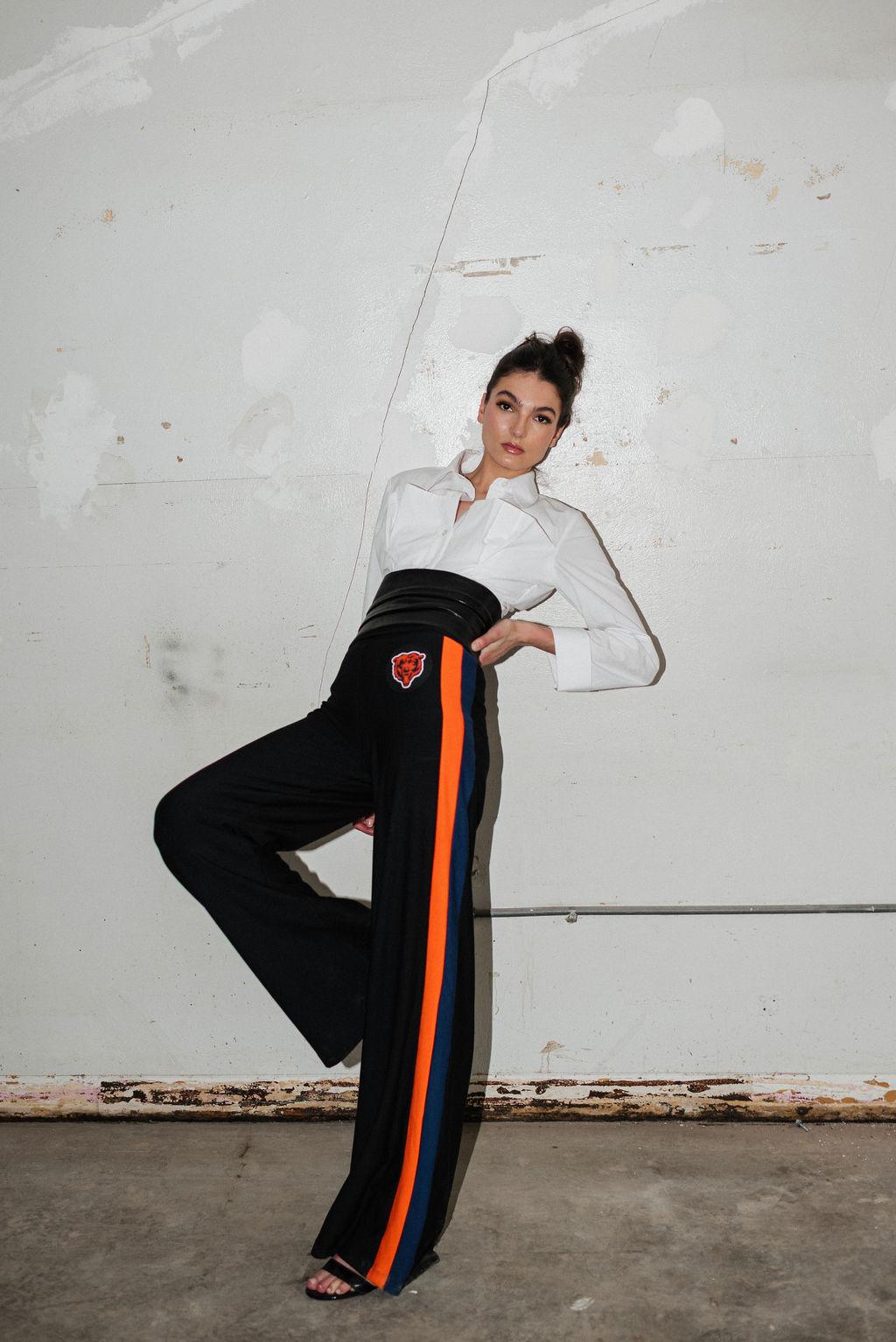
This dearth of female-friendly clothing is what inspired Kiya Tomlin, the wife of recently retired Pittsburgh Steelers head coach Mike Tomlin, to create her own boutique of chic yet comfortable designs that individually represent all 32 NFL teams.
Instead of jerseys, think cut-out tops, ponchos, tunics, smocks and jumpsuits in the colors of your favorite franchise. No matter which team you would like to represent, the items of Tomlin’s NFL Collection have one thing in common: They are made in America.
The Kiya Tomlin NFL Collection and her seasonal main line apparel are entirely made at her shop and retail store in Etna, Pa., just a long pass away from the Pittsburgh city limits.
When she opened her store in 2014, Tomlin had just put together a ready-to-wear collection to complement some of the custom wedding gowns she had been making.
It never crossed her mind to make NFL-themed clothing.
“When the store first opened and it hit the news, everyone came running expecting there to be Steelers apparel,” said Tomlin. “I was like ‘why would you think I was making Steeler stuff?’ There’s tons of stuff out there.’ Go to the mall. It’s everywhere.
“But the more that people would ask the more I thought about it. We’ve been in college football all those years and I never wore the team apparel, whether we were in college coaching or NFL coaching. I never wore the team apparel because I’m a fashion person and I didn’t really like what was out there.
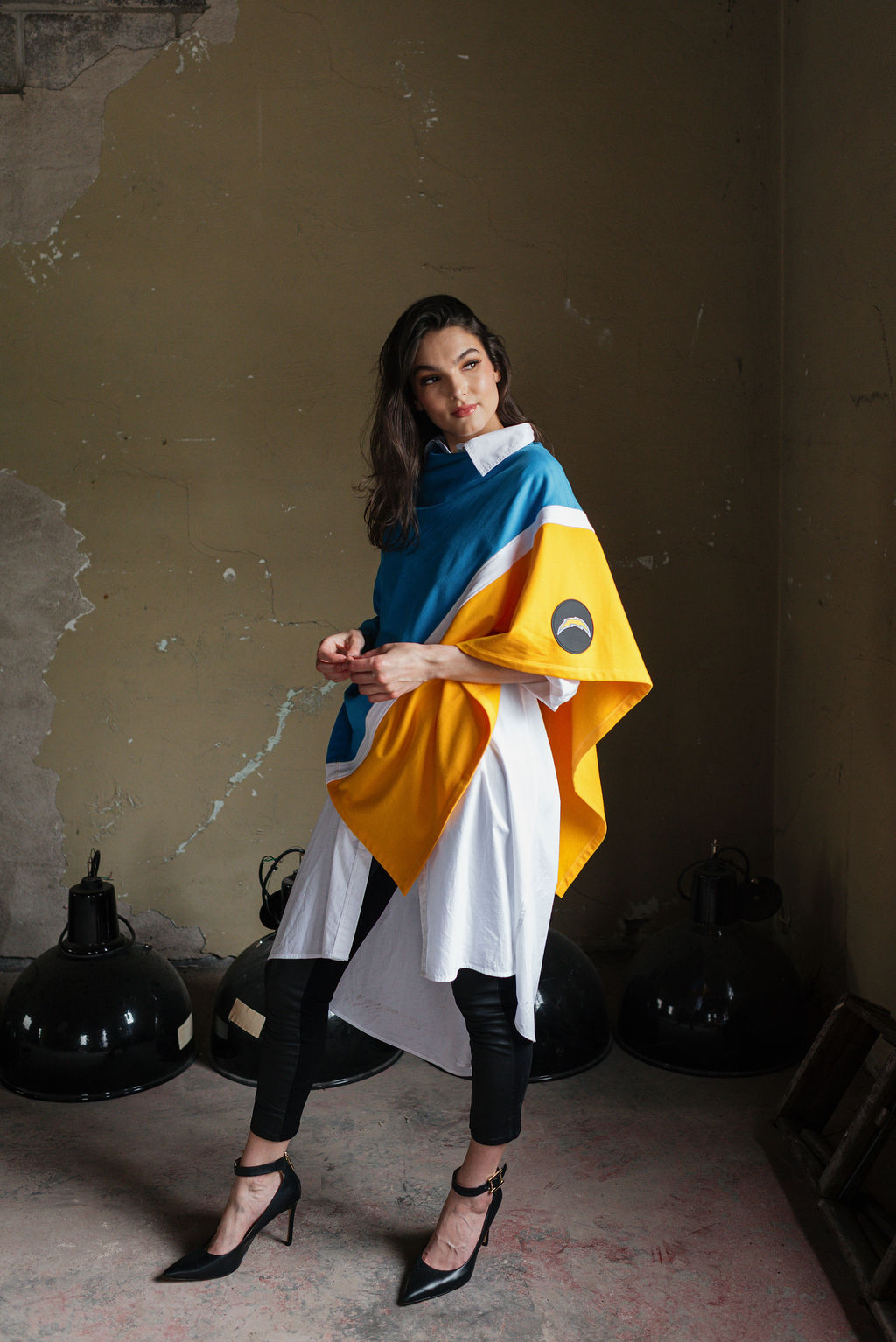
“It wasn’t a big deal to me. I didn’t complain but I didn’t wear it. So, I thought if I designed sports apparel into something I would wear, maybe there are other women out there like me, that were waiting for something different. That’s really how the NFL collection got started.”
When Tomlin got her licensing deal with the NFL she knew she wasn’t going to just be making jerseys and t-shirts. Her mission was to make luxurious yet comfortable apparel that could be worn any time of day or night.
Today she offers clothing that reflects a particular team’s colors that can be worn about town while running errands or accessorized to make a team fashion statement at a cocktail party or dinner.
While her NFL collection is a big seller, her Kiya Tomlin seasonal apparel is her best seller.
“At first I was intimidated and I figured it would be an easier route with Made in the USA as it’s accessible and I can communicate with everyone in the manufacturing space,” said the 52-year-old mother of three. “Then I was surprised at how many of my customers wanted to know where it was made and liked that it was made in America. So, then it was, okay, it’s worth the extra expense to produce in America because the customer wants it.”
Tomlin was no stranger to apparel design and sewing before launching her brand.
“I was doing design since I was a little girl and when I decided not to go to med school, I found out what I loved to do was sewing and designing so I moved in that direction,” said the former college gymnast. “I was always really tiny growing up so I couldn’t fit the clothes that kids my age were wearing. Back then they didn’t have the cool clothing stores for kids like they have today.
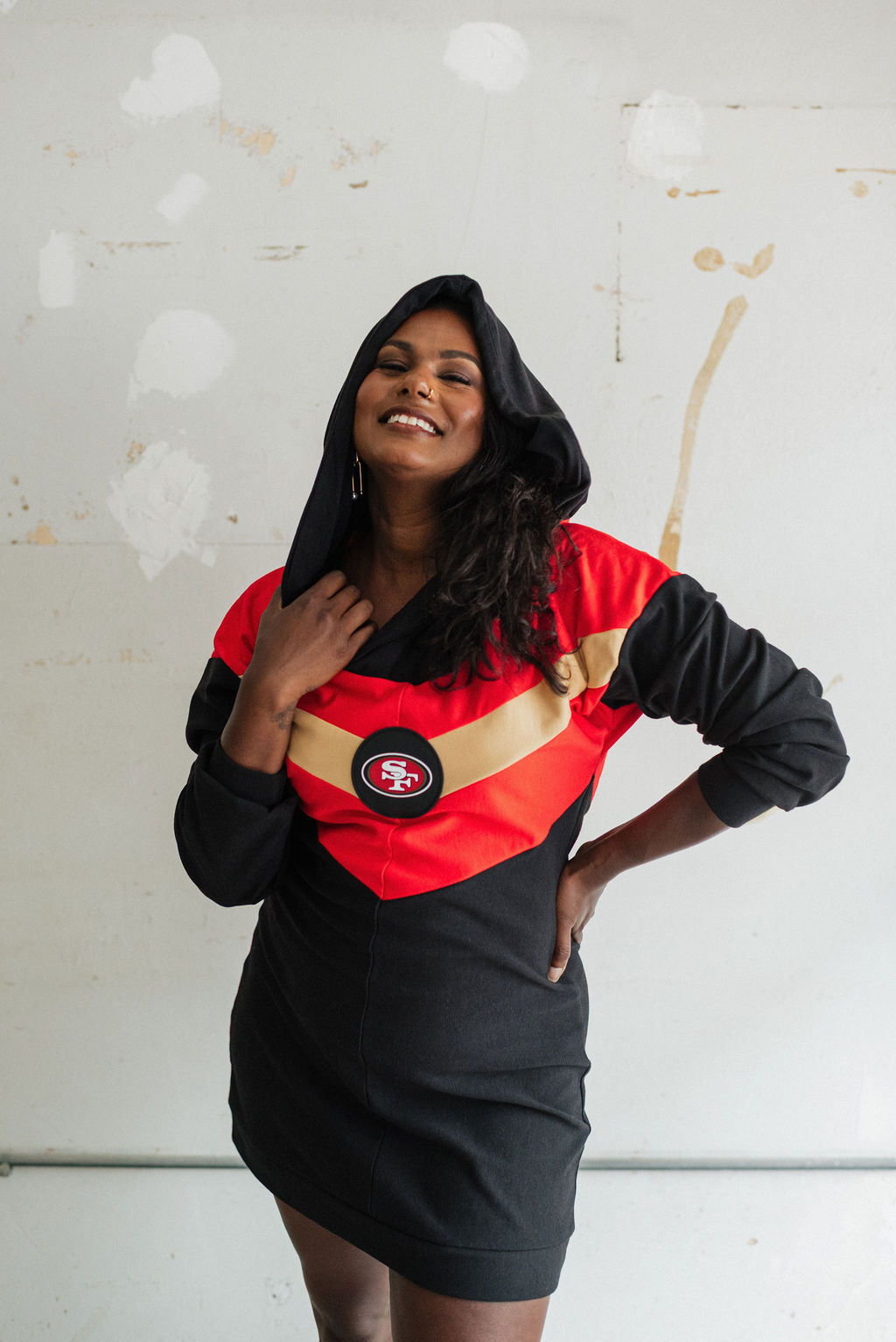
“So, I asked my mom for a sewing machine for Christmas and I taught myself to sew with the help of my mom who had taken home economics in the 8th grade. We figured out the machine and the pattern and by middle school everything I wore, I made.”
Tomlin was on the gymnastics team at the College of William & Mary in Williamsburg, Virginia and it was there that she met her future husband who went on to coach the Pittsburgh Steelers for 19 winning seasons, including a Super Bowl victory in 2009 at the age of 36.
Like Coach Mike, who was always mixing in players in search of another winning season, Kiya operates with a specific mix. Kiya Tomlin apparel is manufactured from a mix of 65% bamboo, 20% cotton and 15% spandex.
“It’s a blend that is mixed especially for me and knit in [Los Angeles],” said Tomlin. “It makes it easier to utilize the fabric from season to season instead of if I had one specific fabric for each season and we have leftover and not being able to use it because it’s specific.”
Her seasonal collections and NFL apparel are made in small batches in Pittsburgh while some of the dresses for workwear and evening wear in the Essentials Collection are sourced from outside the U.S. so that she can meet demand. There are four people sewing on industrial machines at the Kiya Tomlin workshop in Etna and because they are local, they can make new NFL and ready-to-wear items that will drop all season long.
The in-house manufacturing also helps with easy adjustments during the NFL season.
“We have 32 teams and some colors overlap. Green Bay, the Steelers and the Commanders all use the same yellow and trying to organize all that and mix in the fluctuating sales of an NFL team can be difficult.
“When you manufacture you have to do a minimum so even if we had 300 Steelers leggings, which we do here, if the Steelers have a really great season then we sell out of them. If the Steelers don’t have a good season, then nobody buys those leggings and we’re sitting on leggings, and when you do this for all 32 teams you can see there’s a lot of waste that can happen.”
By bringing production in-house, Tomlin can control the waste.
“The way we do it is at the beginning of the season we’ll make a small run of a style for all 32 teams, then we’ll make a little bit bigger run for teams we know are typically better sellers,” said Tomlin. “Then we just let the season take off and watch what will happen. If a team is doing exceptionally well, we have the fabric here and we start making more of that team’s stuff.
“If a team is not doing well, we’ve only made a small amount so we just stop there and hold that fabric for the next season and a new design so we’re not just over-buying fabric. There is also a fabric minimum so I can’t just buy 100 yards because I want to do a lime green Seattle Seahawks stripe. I have to buy 1,000 yards of that lime green, so we’re going to be sitting on that fabric for a while unless they repeat (as 2026 Super Bowl winners).”
Mike Tomlin will move from the Steelers sidelines and into the NBC Sunday night football booth this season, while Kiya Tomlin continues nurturing her successful woman-owned, black-owned business.
“I am targeting slightly older, middle-aged women from 40 to 65, which the NFL market has not previously tailored to,” she explained. “I am offering something new, something fresh, especially with the color blocking that most brands don’t do because it’s labor intensive.
“Every woman can feel comfortable, confident and beautiful in my collections.”
The Alliance for American Manufacturing does not receive a commission from purchases made through the above links, nor was the organization or author paid for favorable coverage.
Labeling Note: This story is intended to highlight companies that support American jobs and that make great products in the United States. We rely on the companies listed to provide accurate information regarding their domestic operations and their products. Each company featured is individually responsible for labeling and advertising their products according to applicable standards, such as the Federal Trade Commission’s “Made in USA” standard or California’s “Made in USA” labeling law. We do not review individual products for compliance or claim that because a company is listed in the guide that their products comply with specific labeling or advertising standards. Our focus is on supporting companies that create American jobs.
For more on the Federal Trade Commission’s standards for “Made in USA” claims and California’s “Made in USA” labeling law, please also read this guest post by Dustin Painter and Kristi Wolff of Kelly Drye & Warren, LLP.