Telehandler Enhances Safety and Productivity in Biomass Processing
Sennebogen’s 360 G telehandler is deployed by GAP Service to improve biomass handling efficiency and safety in continuous industrial use. www.sennebogen.com Efficient biomass handling depends on machines that combine operational safety with process throughput. Sennebogen’s 360 G telehandler, developed with feedback from Italian operator GAP Service, has entered series production to address logistical challenges in biomass conversion facilities. The machine’s design aims to improve energy efficiency, increase loading density, and support multi-shift operations in industrial biomass and recycling applications. Purpose-Built Telehandler for Biomass Logistics The Sennebogen 360 G telehandler evolved from a prototype tested in partnership with GAP Service and distributor Cesaro Mac Import. GAP, which operates a fleet of over 780 machines and runs several biomass processing plants in northern Italy, contributed detailed operational insights during development that were incorporated into the final production model. In biomass facilities, telehandlers perform repetitive tasks such as loading and unloading organic material, feeding conveyor systems, and compacting bulk waste into containers. The 360 G is engineered to sustain up to 24-hour operation in three shifts, emphasizing durability and consistent performance under continuous load. Improving Throughput and Reducing Emissions Biomass logistics directly influence overall energy efficiency and carbon emissions across the supply chain. The 360 G’s Z-kinematics and boom-linkage geometry enable it to pick up compacted material efficiently and achieve up to 20 % higher loading density in containers. Higher container fill rates reduce transport trips, energy use, and CO₂ emissions per tonne of material handled measurable outcomes in biomass and recycling operations. The telehandler’s robust design and responsive hydraulics support short cycle times, enhancing throughput and machine productivity compared with traditional wheel loaders in similar applications. Safety and Operator Environment Workplace safety is addressed through features that improve operator visibility and control. An elevating cab that can reach 4.25 m offers an unobstructed view of the working area during loading, unloading, and material compaction. The cab’s ergonomics and all-around visibility support sustained operator concentration, which is crucial during long shifts in industrial environments. Quick-change attachment capability and stable handling characteristics also contribute to operator safety and operational efficiency, allowing different tools to be swapped with minimal downtime. Industrial Use Cases and Operational Context In the biomass plant at Finale Emilia, the 360 G has been deployed in continuous service, handling organic waste streams, feeding conveyors for energy conversion processes, and compacting material for transport. The combination of machine stability, rapid hydraulic response, and elevated operator viewpoint helps maintain high productivity and lower operational costs in demanding industrial logistics environments. Safety and efficiency gains in biomass handling including improved material throughput, reduced energy consumption, and enhanced operator visibility demonstrate how purpose-built material handling equipment supports broader industrial sustainability goals in the digital supply chain and biomass processing sectors. www.sennebogen.com Powered by Induportals Media Publishing
 machineryasia
Sennebogen’s 360 G telehandler is deployed by GAP Service to improve biomass handling efficiency and safety in continuous industrial use.
www.sennebogen.com
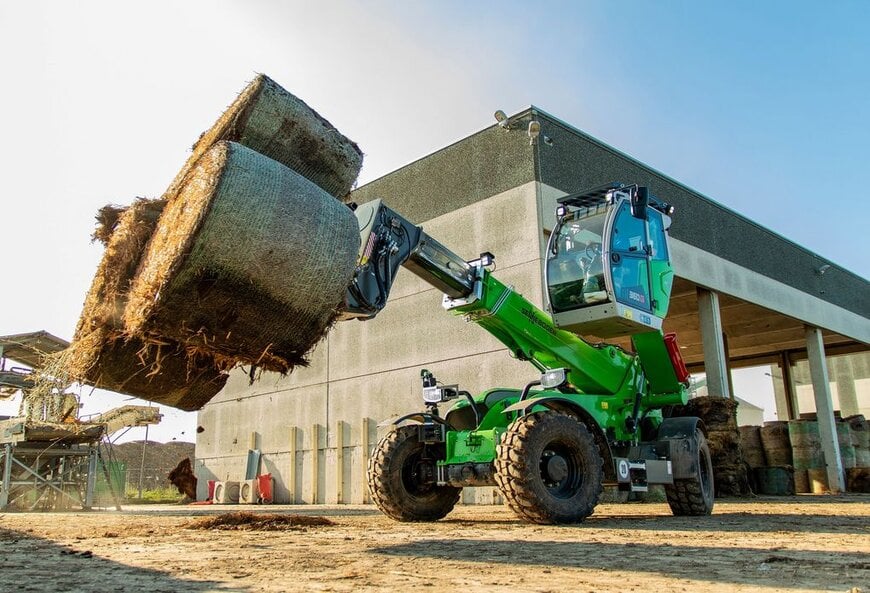
Efficient biomass handling depends on machines that combine operational safety with process throughput. Sennebogen’s 360 G telehandler, developed with feedback from Italian operator GAP Service, has entered series production to address logistical challenges in biomass conversion facilities. The machine’s design aims to improve energy efficiency, increase loading density, and support multi-shift operations in industrial biomass and recycling applications.
Purpose-Built Telehandler for Biomass Logistics
The Sennebogen 360 G telehandler evolved from a prototype tested in partnership with GAP Service and distributor Cesaro Mac Import. GAP, which operates a fleet of over 780 machines and runs several biomass processing plants in northern Italy, contributed detailed operational insights during development that were incorporated into the final production model.
In biomass facilities, telehandlers perform repetitive tasks such as loading and unloading organic material, feeding conveyor systems, and compacting bulk waste into containers. The 360 G is engineered to sustain up to 24-hour operation in three shifts, emphasizing durability and consistent performance under continuous load.
Improving Throughput and Reducing Emissions
Biomass logistics directly influence overall energy efficiency and carbon emissions across the supply chain. The 360 G’s Z-kinematics and boom-linkage geometry enable it to pick up compacted material efficiently and achieve up to 20 % higher loading density in containers. Higher container fill rates reduce transport trips, energy use, and CO₂ emissions per tonne of material handled measurable outcomes in biomass and recycling operations.
The telehandler’s robust design and responsive hydraulics support short cycle times, enhancing throughput and machine productivity compared with traditional wheel loaders in similar applications.
Safety and Operator Environment
Workplace safety is addressed through features that improve operator visibility and control. An elevating cab that can reach 4.25 m offers an unobstructed view of the working area during loading, unloading, and material compaction. The cab’s ergonomics and all-around visibility support sustained operator concentration, which is crucial during long shifts in industrial environments.
Quick-change attachment capability and stable handling characteristics also contribute to operator safety and operational efficiency, allowing different tools to be swapped with minimal downtime.
Industrial Use Cases and Operational Context
In the biomass plant at Finale Emilia, the 360 G has been deployed in continuous service, handling organic waste streams, feeding conveyors for energy conversion processes, and compacting material for transport. The combination of machine stability, rapid hydraulic response, and elevated operator viewpoint helps maintain high productivity and lower operational costs in demanding industrial logistics environments.
Safety and efficiency gains in biomass handling including improved material throughput, reduced energy consumption, and enhanced operator visibility demonstrate how purpose-built material handling equipment supports broader industrial sustainability goals in the digital supply chain and biomass processing sectors.
www.sennebogen.com
Powered by
Induportals Media Publishing