Rent, Lease or Buy? Why California Contractors Run Different Numbers on Compact Equipment
Every year-end brings advice to buy equipment before December 31 and write it off. You must decide whether that purchase fits your fleet. National buy-before-year-end advice doesn’t hold up for California compact equipment. Match the machine to your tasks first, then run your numbers under federal and California rules. A federal write-off can favor buying […] The post Rent, Lease or Buy? Why California Contractors Run Different Numbers on Compact Equipment appeared first on World Construction Today.
 machineryasia
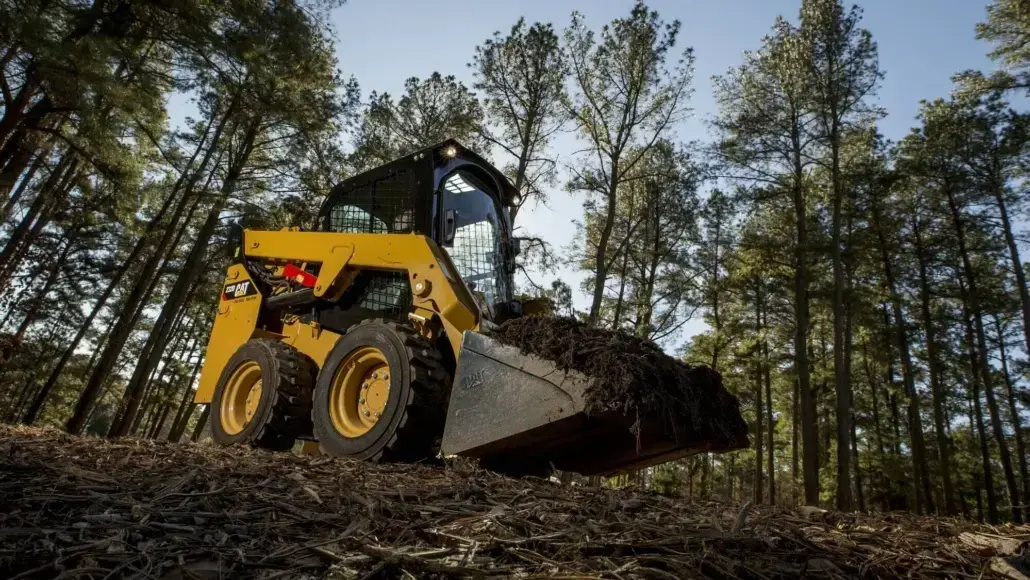
Every year-end brings advice to buy equipment before December 31 and write it off. You must decide whether that purchase fits your fleet. National buy-before-year-end advice doesn’t hold up for California compact equipment. Match the machine to your tasks first, then run your numbers under federal and California rules. A federal write-off can favor buying while your California calculation favors renting.
Why National Buy-Before-Year-End Advice Breaks Down in California
Year-end buying advice usually starts with your federal return. According to the stipulations of the IRS, “For tax years beginning in 2026, the maximum section 179 expense deduction is $2,560,000.” Reductions on once-qualifying costs may not exceed $4,090,000. Federal rules allow a 100% special first-year depreciation benefit for eligible property you acquired and placed in service after Jan. 19, 2025.
Your state calculation differs. Under published 2025 guidance, California’s own Section 179 limit is $25,000, reduced once costs exceed $200,000. California doesn’t conform to federal bonus depreciation. A federally deductible purchase can leave substantial costs to depreciate over time on your California return. Confirm your applicable tax-year treatment with an independent tax professional before spending capital on movable assets.
Compare the rules behind your purchase decision.
| Rule | Federal | California, Published 2025 Guidance |
|---|---|---|
| Maximum Section 179 deduction | $2,560,000 for tax years beginning in 2026 | $25,000 |
| Deduction phaseout begins above | $4,090,000 | $200,000 |
| Bonus depreciation | 100% for qualifying property you acquire and place in service after January 19, 2025 | Not available |
Your purchase decision needs both calculations, not just federal eligibility. Your emissions responsibilities and rental alternatives also deserve a separate calculation.
How Emissions and Rental Market Shifts Add Another Layer
Your rental-versus-ownership comparison also depends on emissions responsibilities and the direction of rental rates. The California Air Resources Board (CARB) applies its off-road diesel rules to covered rented and leased machines. When you rent or lease covered equipment for less than one year, fleet compliance stays the rental company’s responsibility under CARB’s rules. For leases of one year or more, fleet responsibility can shift only if your written agreement specifically assigns it. Check the lease term and the compliance clause before signing.
Your rental comparison also needs current, machine-specific information. Broad market movements provide context rather than a substitute for your local quote. Compare the same rental period each time. A weekly dozer change and a daily skid-steer change are different transactions. Apply each to the corresponding machine and rental duration, then compare it with your own workload and anticipated rental periods.
In Q3 2026, weekly dozer rental rates rose 13.4% compared with Q2. Over that period, skid-steer daily rates fell by 7.5% across the surveyed North American market. Falling compact rental rates make your rent-versus-own numbers worth rerunning.
Which Compact Machines Match Landscaping and Site Prep Work?
Before you compare acquisition methods, settle which machines your crews actually need. For landscaping and site prep work, a compact track loader suits grading, material handling and attachment-driven jobs. If your schedule repeatedly calls for spreading fill, moving material and preparing surfaces, start your comparison there. Match the machine to those recurring tasks before deciding whether to rent or buy.
A mini excavator is better-suited to trenching, precision digging and confined excavation. If your crews regularly open trenches or dig around existing improvements, assess that workload separately from material handling. Think about where your crews spend their time, rather than which machine offers the longest list of attachments. The machine you need every week deserves a different acquisition calculation from one you need occasionally. If your crews handle both workloads, compare these machines against your most frequent tasks.
Should You Choose a Compact Track Loader or Mini Excavator for Landscaping?
Use your recurring tasks to narrow the choice before comparing rental, lease or purchase agreements. Frequent uses will lead your discussions. Choose the machine that matches your most frequent task, rather than an occasional project, as its attachments determine how many jobs it can cover.
| Task | Recommended Compact Machine | Why It’s a Best Choice |
|---|---|---|
| Grading and leveling | Compact track loader | Best fit when crews need to spread and shape material. |
| Land clearing | Compact track loader | Works well for clearing tasks when paired with suitable attachments. |
| Material handling | Compact track loader | Useful for loading and moving material around the site. |
| Attachment versatility | Compact track loader | Supports varied attachment-based surface work. |
| Trenching | Mini excavator | Best fit when crews routinely open trenches. |
| Precision digging | Mini excavator | Supports controlled excavation around the work area. |
| Tight-space work | Mini excavator | A suitably sized model can handle confined digging tasks. |
What Attachments Do Landscaping Contractors Need for Site Prep?
The attachments you need for landscaping and site prep depend on your recurring tasks.
Some attachments offer multiple functionalities, while others are more specific:
- Buckets: Equip your compact track loader for digging, loading and moving material.
- Blades: Use your compact track loader to grade surfaces and spread fill.
- Rakes: Fit your compact track loader for debris clearing and soil preparation.
- Augers: Equip your mini excavator to drill holes for posts, trees and footings.
- Breakers: Use your mini excavator to break concrete, asphalt and rock.
A few well-chosen attachments let your machine cover several jobs. Base your attachment selection on scheduled work before expanding your package for tasks you rarely perform.
Rent or Own: Which Compact Machines Handle Both Landscaping and Site Preparation Work?
Once you identify your machines and attachments, separate recurring work from occasional demand. Consider an ownership investment in machines that run most weeks. Rent oversized, specialized or peak-season equipment for work outside your recurring schedule. Judge each machine separately rather than applying one acquisition policy across your fleet. A machine that sits between jobs still carries storage and insurance costs, while a rental stops costing you once you return it.
Short-term contracts are “great for testing different models before selecting one for a long-term arrangement,” says authorized Cat dealer Holt of California, which has 90 years of experience. The rental team advises that extended rentals can meet sustained equipment needs without draining capital. You can use this option to trial machines for a longer project assignment. A short-term rental also shows you how a model handles your ground conditions before you commit to a purchase.
With coverage across 16 California counties, Holt of California considers emissions requirements and says to “choose equipment that meets both performance needs and regulatory obligations.” Its guidance suggests that purchasing regularly used machines is the best option for optimizing usage relative to capital investment. Compare future workload with your existing schedule before committing. A busy current project and dependable ongoing demand call for different assumptions about how long you need the machine.
What Is the Break-Even Math on Your Own Fleet?
Your job records should drive the calculation. Start by tracking machine utilization across your fleet. Assess redeployment or rental capacity using those records. Include capital recovery, insurance and storage in your fixed costs. Remember that “trying to make equipment do things beyond its operating scope can cause permanent damage and pose a safety risk,” advises the service experts at Holt of California, which is why renting specialized equipment for singular tasks is advisable.
Build your comparison in this order:
- Estimate annual hours: Project each machine’s working hours from your actual jobs and expected workload.
- Compare the costs: Compare rental and ownership over the same period, accounting separately for California’s smaller Section 179 cap. To estimate break-even hours, divide annual fixed ownership costs by your rental hourly equivalent minus variable ownership costs per hour, only when that difference is positive.
- Check criticality: Consider owning or leasing an essential machine even when its hours alone suggest renting.
- Separate the decisions: Choose the machine your work requires, then decide how to acquire it.
Hours are only one part of the decision. If a machine is essential to keeping crews productive, owning or leasing can protect availability even at modest utilization. Tax deductions also affect cash flow and timing, so evaluate them separately from the operational question of which machine your work requires.
Which Key Takeaways Should You Consider?
Pause before you commit to a rental, lease or purchase agreement.
Guide your decision based on vital information:
- Start with the task: Choose equipment around the work your crews perform most often.
- Own recurring capacity: Consider ownership for machines that stay busy most weeks.
- Rent occasional capacity: Reserve rentals for oversized, specialty and peak-season needs.
- Use your own numbers: Test the comparison against your workload and California’s rules rather than national headlines.
- Separate equipment from financing: Settle what your work requires before choosing how you’ll acquire the machine.
The Right Call Is Local, Not National
The right rent, lease or buy decision comes from your fleet’s specific workload, utilization, tax position and emissions responsibilities. The same machine may work best when owned by one fleet and subject to a rental agreement by another, even when both crews perform similar work.
As you weigh your next machine, keep the operating decision grounded in your schedule. Consider how often you need it and how its absence would affect your crews. Then assess the acquisition options against those requirements. Your year-end deadline arrives on the calendar. Your machine earns its place on the jobsite.
The post Rent, Lease or Buy? Why California Contractors Run Different Numbers on Compact Equipment appeared first on World Construction Today.