Liebherr Solidlink Marks 25 Years of Safer Attachment Changes
Launched in 2001, Liebherr's fully automatic Solidlink coupler now changes hydraulic and electric attachments from the cab on excavators, loaders and more. Liebherr Solidlink Marks 25 Years of Safer Attachment Changes published on The HeavyQuip Magazine.
 machineryasia
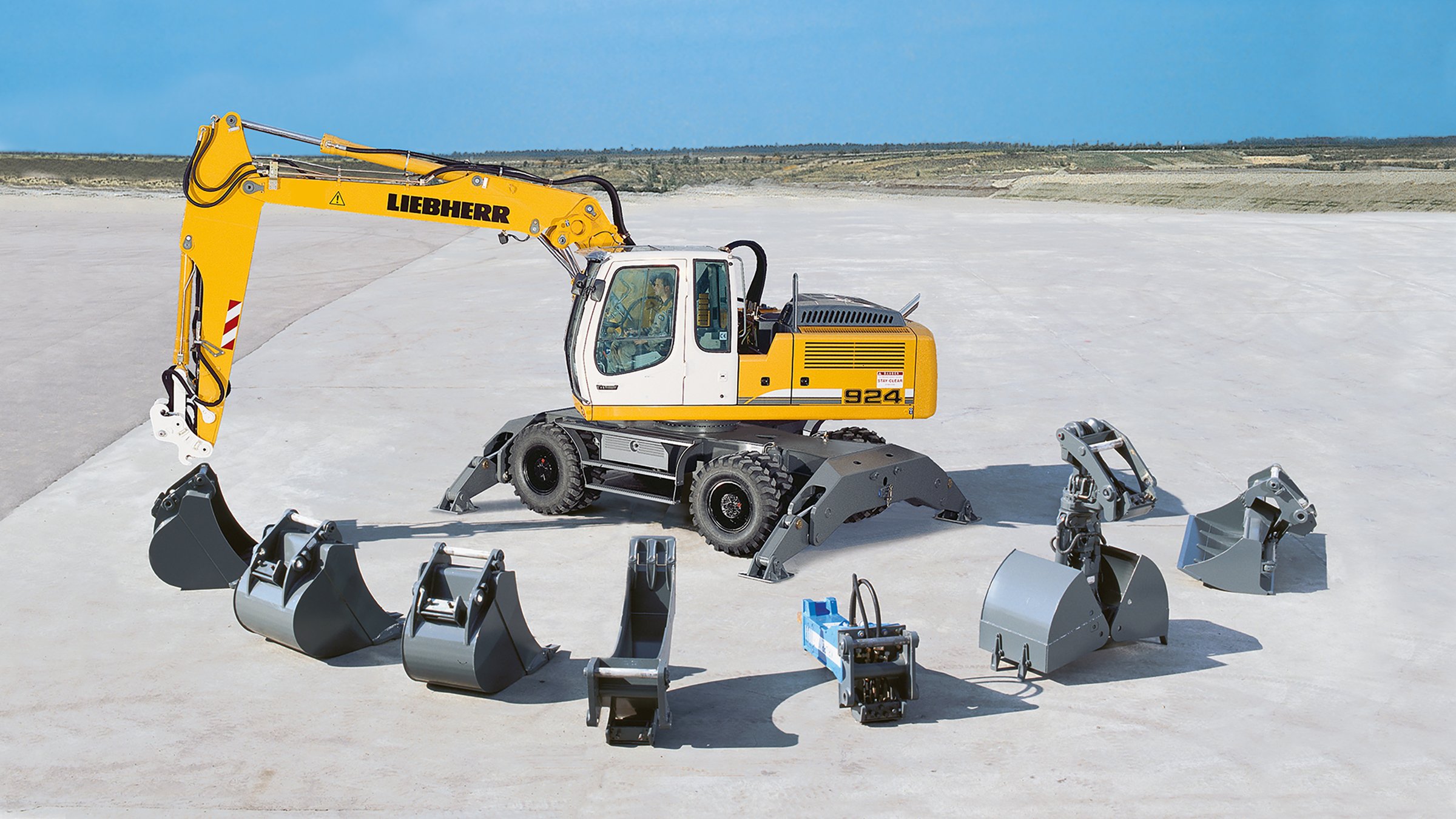
First shown in 2001 and known as LIKUFIX in German- and French-speaking markets, the fully automatic quick coupler has moved from excavators to wheel loaders, mobile cranes and drilling rigs
Changing an attachment used to mean climbing out of the cab, connecting hoses by hand and standing right where a mistake could hurt. Liebherr‘s answer, first shown in 2001, was a hydraulic coupling block that does the whole job at the touch of a button. Twenty-five years later, Solidlink, still sold as LIKUFIX in German- and French-speaking countries, has become one of the established fully automatic quick coupling systems in construction and material handling.
With Solidlink, hydraulic and electrical connections are made and broken automatically during the change, which takes a matter of seconds. Less set-up time means more machine utilisation, and the gain is biggest where attachments change often during a shift.
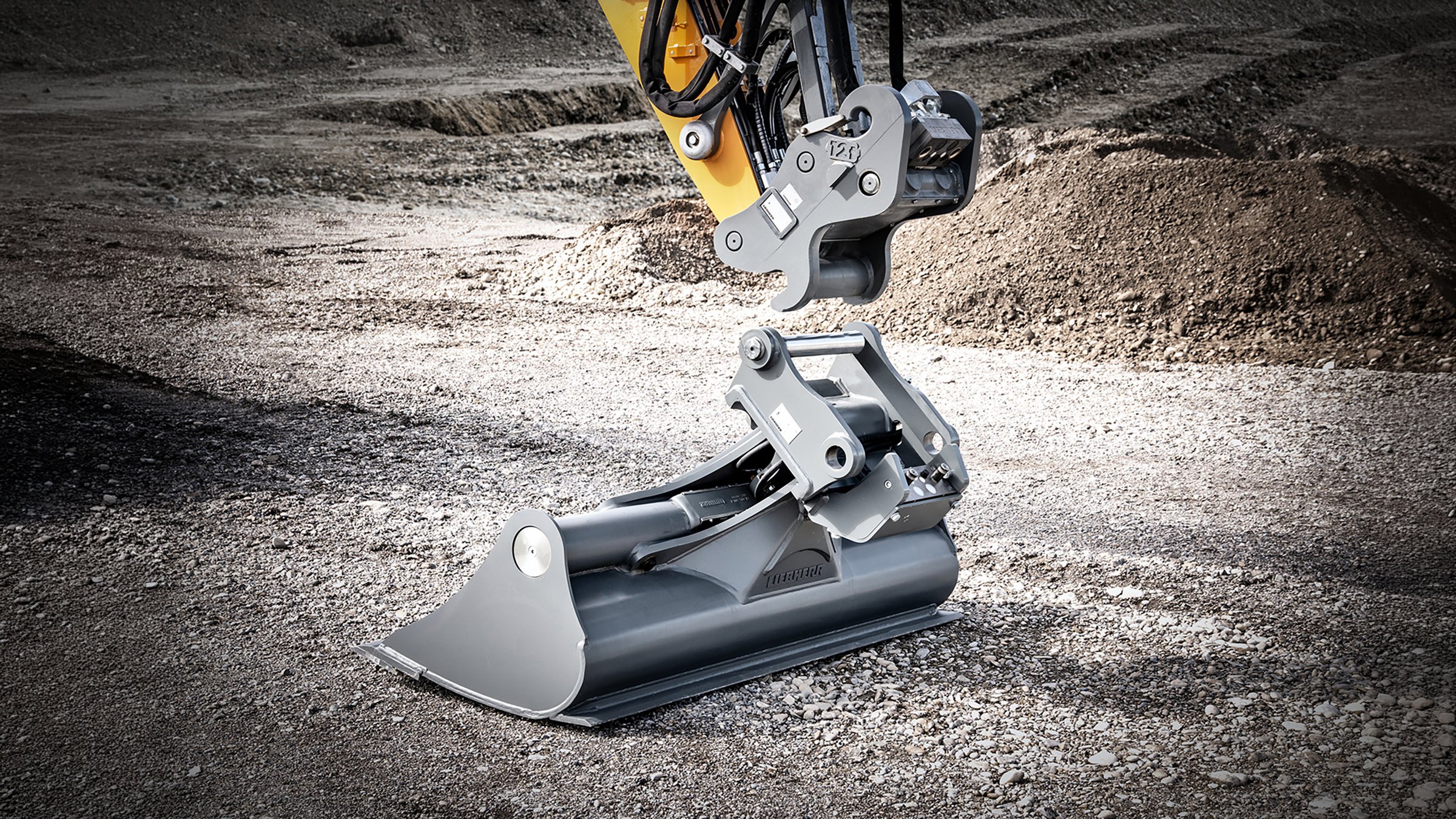
Sensors on the locking pins
Safety was a design goal from the start, alongside speed. Because the change happens entirely from the cab, nobody needs to be in the hazard zone while the coupling takes place. Electronic sensors monitor the locking pins, check that the attachment is correctly seated and tell the operator its locking status through visual and acoustic warnings. That safety function earned the system the BG BAU EuroTest Award in 2016, given to the hydraulic quick coupling adapter with equipment locking detection.
Four sizes, then wheel loaders, cranes and rigs
What started on hydraulic excavators now covers a much wider range of machines. Solidlink comes in sizes 33, 48, 66 and 77 for wheeled and crawler excavators and material handlers. The newest models, Solidlink 33-9 and 48-10, add further hydraulic, lubrication and signal connections, so that more complex attachments can be run without compromise.
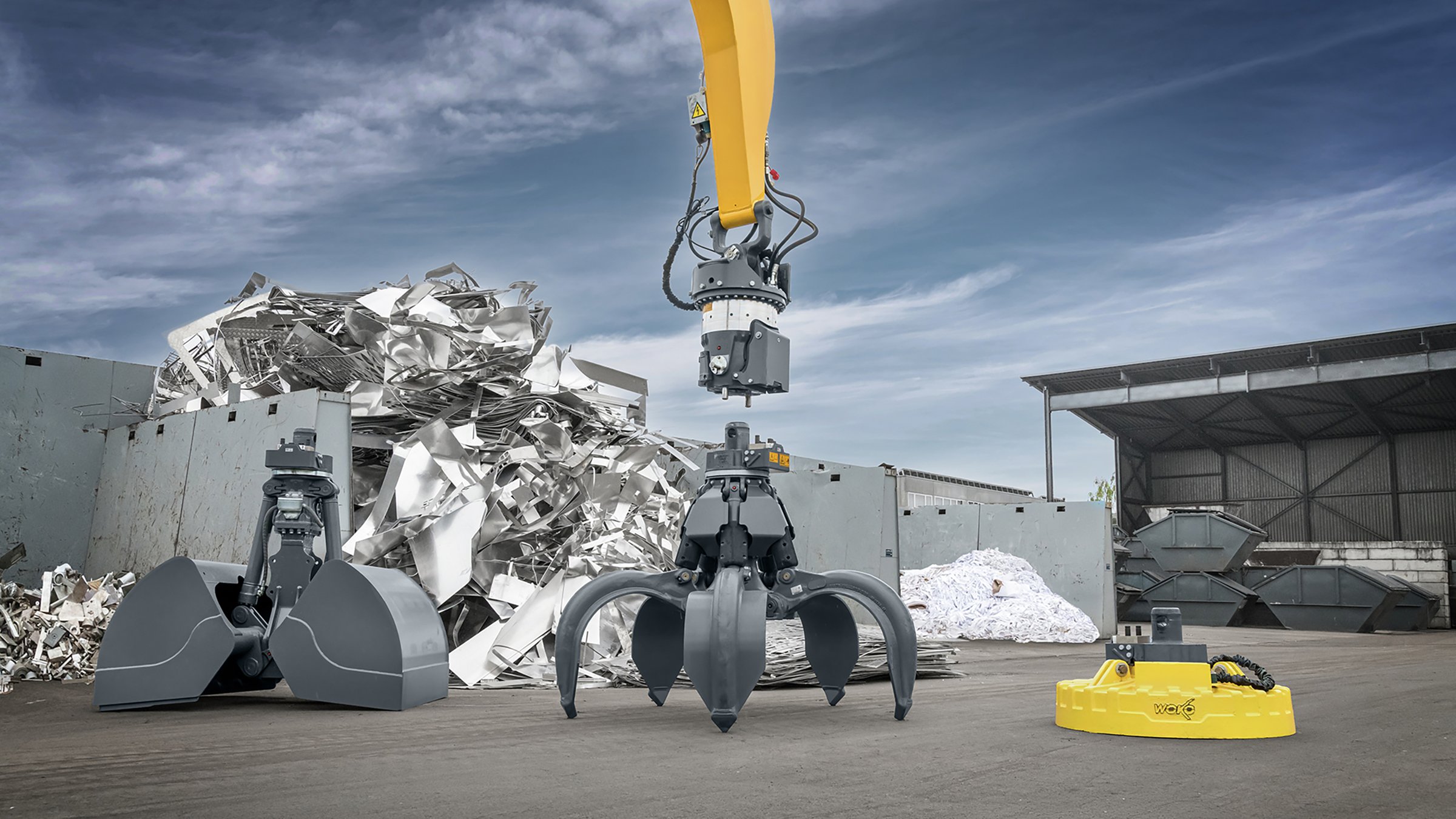
The system also works on demolition excavators and wheel loaders. On the loader side it is available on the L 504 to L 508 compact loaders, the L 507 and L 509 stereoloaders, the L 526 to L 546 mid-sized wheel loaders and the L 550 XPower to L 580 XPower range. On compact and stereoloaders, a second coupling block can be added to run an extra hydraulic circuit for tools such as a vibrating plate or a snow plough.
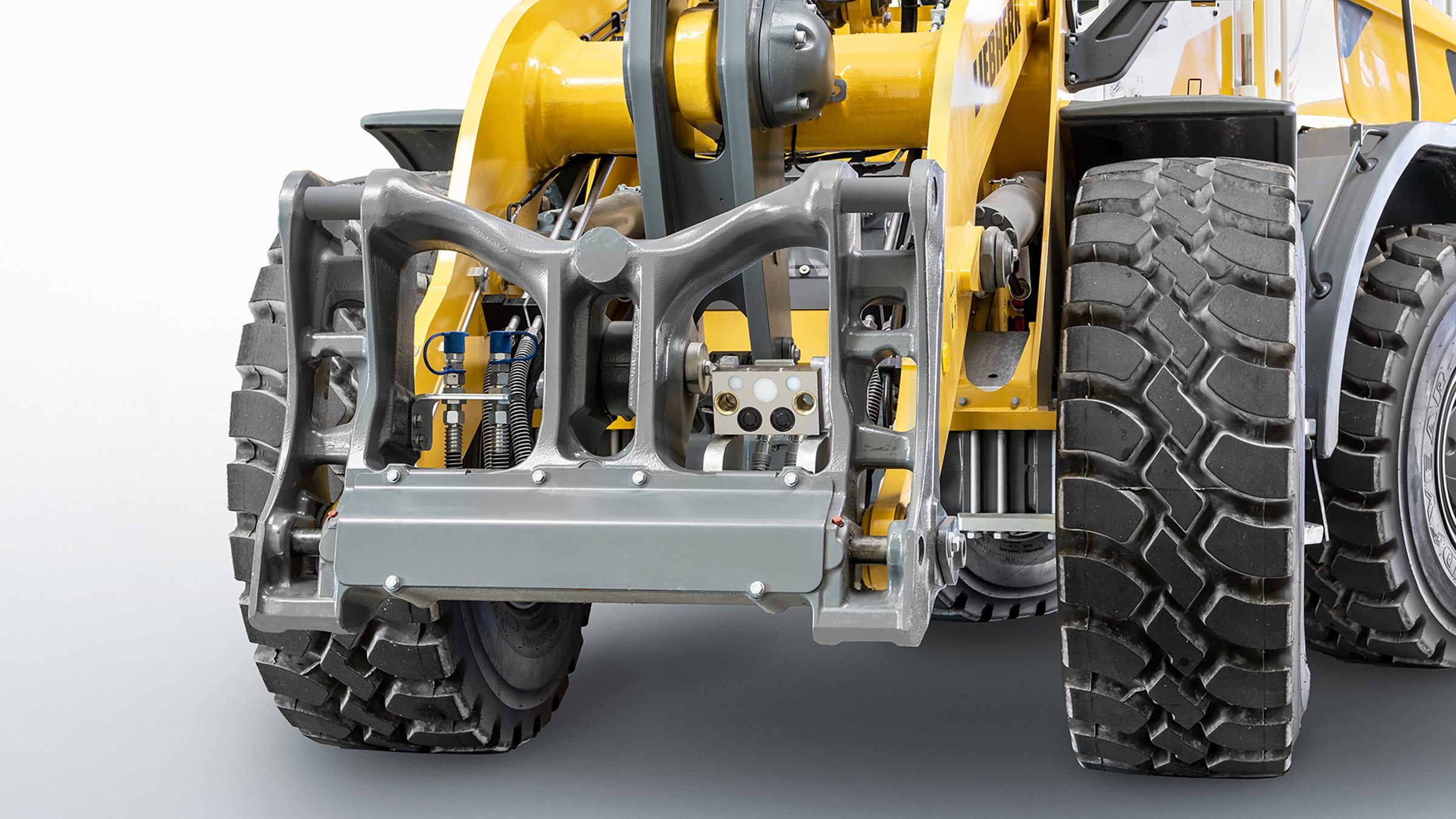
For industrial machinery, the MH 40 Solidlink and MH 110 Solidlink suspended couplers allow fully automatic changes of hydraulic and electric attachments. Inside the Liebherr Group, the technology has spread to other product lines: it is compatible with the large mobile cranes built in Ehingen and with the rotary drilling rigs made in Nenzing. It is also used outside the group.
Liebherr says development is far from finished. Rising demands for safety, efficiency and digitalisation are driving the next steps, and the system’s modular architecture is meant to support new functions and interfaces as machine generations change. After a quarter of a century, the idea of keeping the operator in the cab during an attachment change has become the norm the system set out to create.
Liebherr Solidlink Marks 25 Years of Safer Attachment Changes published on The HeavyQuip Magazine.