Danfoss Editron and Proterra Partner to Simplify Heavy-Duty Vehicle Electrification
Strategic collaboration delivers pre-validated powertrain and battery solutions to help heavy-duty vehicle manufacturers cut engineering risks, reduce costs, and accelerate commercial zero-emission vehicle deployment. www.danfoss.com Danfoss Editron and Proterra have established a collaboration to deliver pre-tested electric powertrain and battery integration packages for heavy-duty commercial vehicles. The joint initiative supplies original equipment manufacturers across North America with matched sub-assemblies designed for demanding duty cycles. Engineering Challenges in Heavy-Duty Electrification Developing electric drivetrains for commercial transportation presents complex systems-engineering hurdles. Original equipment manufacturers frequently face substantial integration risks when attempting to interface power electronics, traction motors, and energy storage systems sourced from disparate vendors. Uncoordinated hardware combinations often lead to prolonged validation cycles, unpredictable communication protocol mismatches, and elevated development expenditure. By addressing vehicle electrification through co-developed subsystems, engineering teams can eliminate compatibility uncertainties prior to physical vehicle prototyping. Technical Architecture and Division of Roles The technical platform pairs Danfoss Editron power conversion and motor technology with Proterra heavy-duty energy storage packs. Danfoss Editron provides the high-voltage electric motors and matching inverters engineered for high continuous torque output in harsh industrial environments. Proterra delivers commercial-grade lithium-ion battery packs engineered to withstand rigorous vibration, thermal extremes, and high-rate discharge demands. The participating engineering teams pre-validate the mechanical, electrical, and control interfaces between the motor drives and battery management units, ensuring stable system interoperability across standard vehicular communication networks. Integration Benefits and Implementation Scope Target applications encompass specialty commercial platforms, transit buses, port equipment, and vocational machinery operating under severe duty profiles. The pre-configured powertrain architecture allows mechanical and electrical design teams to bypass basic bench-level verification and focus directly on chassis integration and vehicle-level supervisory software. By standardizing the electrical interfaces between energy storage and mechanical propulsion, manufacturers reduce prototype iteration cycles, decrease validation costs, and ensure consistent component thermal management under sustained operational loads. Strategic Implementation Insights Technical leaders from both organizations noted the engineering rationale behind the integrated architecture. "Too often, OEMs are left to piece together an electric powertrain from suppliers who've never had to work together," said Dustin Chapman, Director of Americas at Danfoss Editron. "With this collaboration, we're changing that by giving manufacturers a qualified solution." "This collaboration with Danfoss Editron gives OEMs a validated, ready-to-integrate foundation, which reduces development time and engineering costs," stated Marissa Keisler, Head of Marketing and Brand Development at Proterra. The pre-validated powertrain package provides industrial vehicle manufacturers with a defined path to transition from internal combustion systems to electric propulsion while preserving operational reliability. Edited by Evgeny Churilov, Induportals Media - Adapted by AI. www.danfoss.com Powered by Induportals Media Publishing
 machineryasia
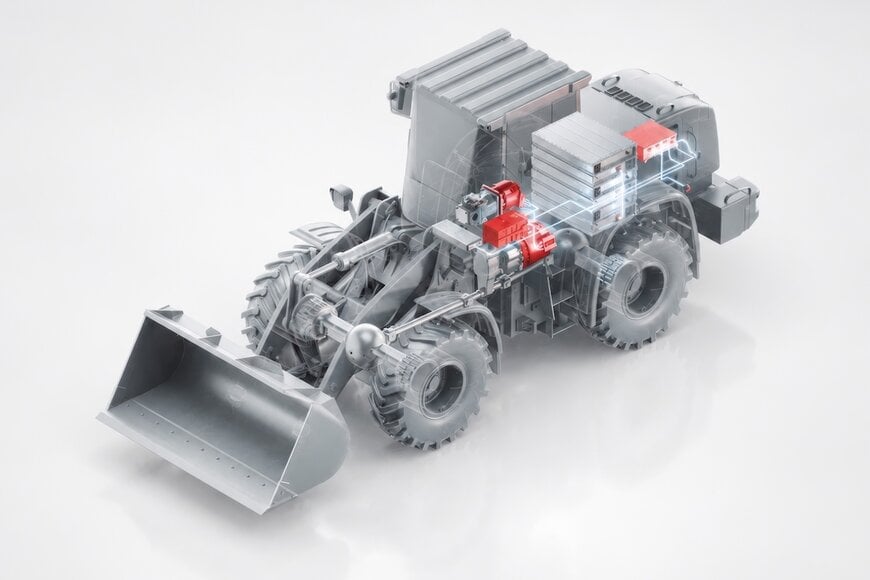
Strategic collaboration delivers pre-validated powertrain and battery solutions to help heavy-duty vehicle manufacturers cut engineering risks, reduce costs, and accelerate commercial zero-emission vehicle deployment.
www.danfoss.com
Danfoss Editron and Proterra have established a collaboration to deliver pre-tested electric powertrain and battery integration packages for heavy-duty commercial vehicles. The joint initiative supplies original equipment manufacturers across North America with matched sub-assemblies designed for demanding duty cycles.
Engineering Challenges in Heavy-Duty Electrification
Developing electric drivetrains for commercial transportation presents complex systems-engineering hurdles. Original equipment manufacturers frequently face substantial integration risks when attempting to interface power electronics, traction motors, and energy storage systems sourced from disparate vendors.
Uncoordinated hardware combinations often lead to prolonged validation cycles, unpredictable communication protocol mismatches, and elevated development expenditure. By addressing vehicle electrification through co-developed subsystems, engineering teams can eliminate compatibility uncertainties prior to physical vehicle prototyping.
Technical Architecture and Division of Roles
The technical platform pairs Danfoss Editron power conversion and motor technology with Proterra heavy-duty energy storage packs. Danfoss Editron provides the high-voltage electric motors and matching inverters engineered for high continuous torque output in harsh industrial environments.
Proterra delivers commercial-grade lithium-ion battery packs engineered to withstand rigorous vibration, thermal extremes, and high-rate discharge demands. The participating engineering teams pre-validate the mechanical, electrical, and control interfaces between the motor drives and battery management units, ensuring stable system interoperability across standard vehicular communication networks.
Integration Benefits and Implementation Scope
Target applications encompass specialty commercial platforms, transit buses, port equipment, and vocational machinery operating under severe duty profiles. The pre-configured powertrain architecture allows mechanical and electrical design teams to bypass basic bench-level verification and focus directly on chassis integration and vehicle-level supervisory software.
By standardizing the electrical interfaces between energy storage and mechanical propulsion, manufacturers reduce prototype iteration cycles, decrease validation costs, and ensure consistent component thermal management under sustained operational loads.
Strategic Implementation Insights
Technical leaders from both organizations noted the engineering rationale behind the integrated architecture.
"Too often, OEMs are left to piece together an electric powertrain from suppliers who've never had to work together," said Dustin Chapman, Director of Americas at Danfoss Editron. "With this collaboration, we're changing that by giving manufacturers a qualified solution."
"This collaboration with Danfoss Editron gives OEMs a validated, ready-to-integrate foundation, which reduces development time and engineering costs," stated Marissa Keisler, Head of Marketing and Brand Development at Proterra.
The pre-validated powertrain package provides industrial vehicle manufacturers with a defined path to transition from internal combustion systems to electric propulsion while preserving operational reliability.
Edited by Evgeny Churilov, Induportals Media - Adapted by AI.
www.danfoss.com
Powered by
Induportals Media Publishing