Lawmakers Keep Up the Heat on a China Auto Ban
As Xi Jinping visits Washington, lawmakers and industry leaders urge the president not to open the U.S. market to Chinese automakers -- and the Connected Vehicle Security Act inches closer to unanimous support in the Senate.
 machineryasia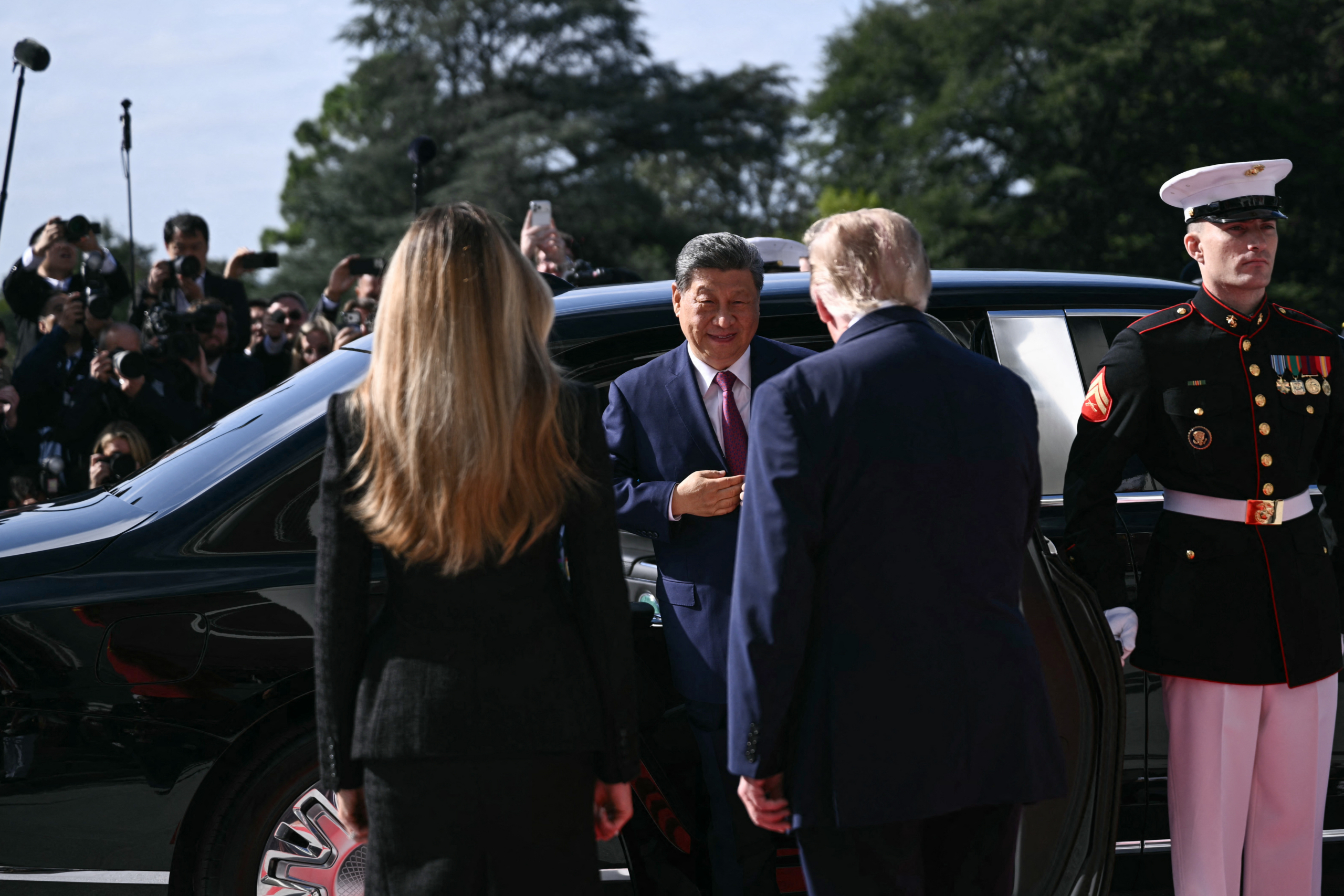
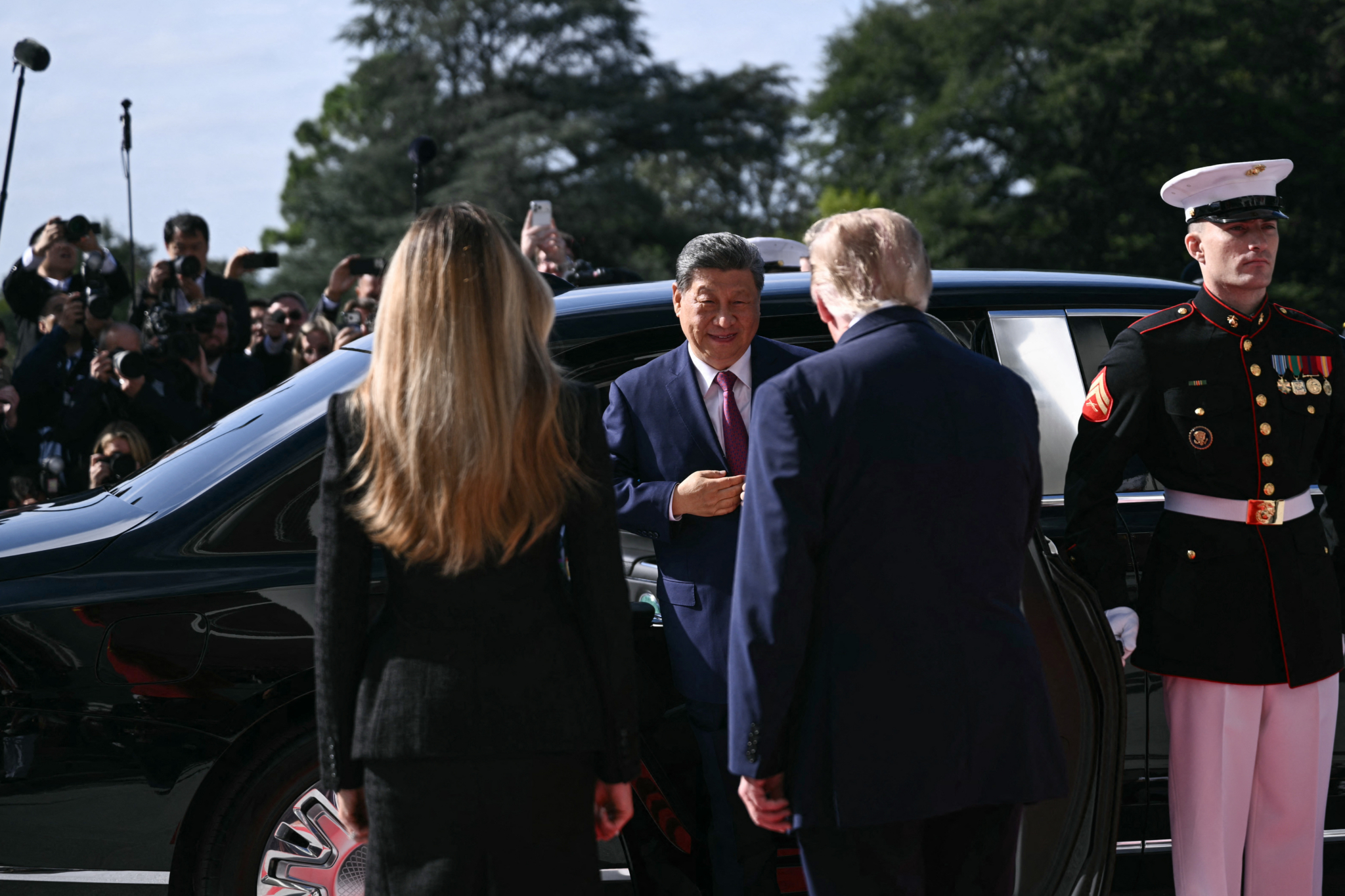
As Xi Jinping visits Washington, lawmakers and industry leaders urge the president not to open the U.S. market to Chinese automakers — and the Connected Vehicle Security Act inches closer to unanimous support in the Senate.
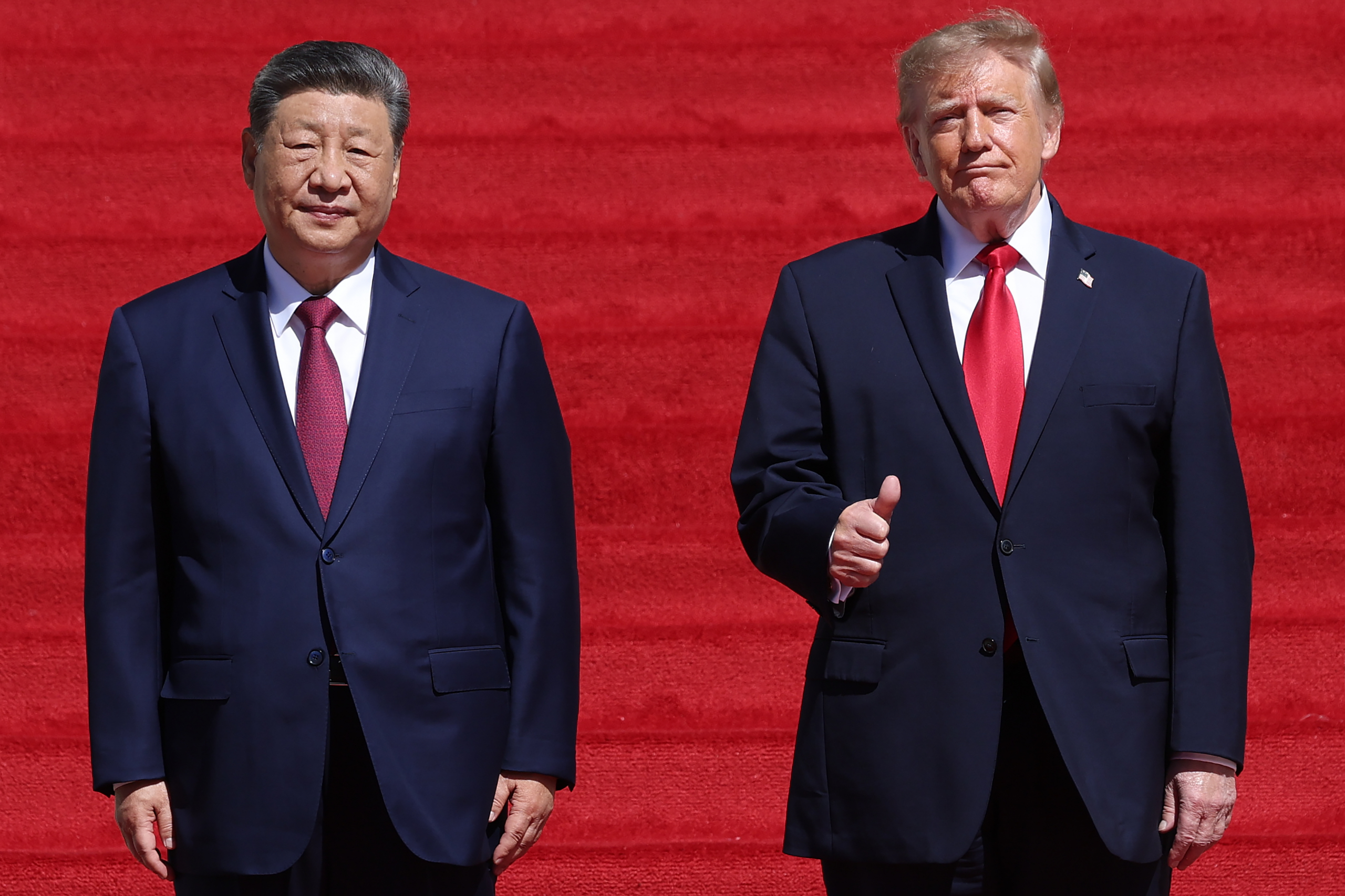
As Chinese President Xi Jinping touched down in Washington, DC, this week for a summit with U.S. President Donald Trump, reports emerge that the U.S. Senate sponsors of a bill that would effectively ban Chinese autos from the United States were planning to use a fast-track procedure to move the legislation through the chamber.
The effort has been put off for a week, because the fast-track procedure requires unanimous consent to pass. How much consent do they have? According to the sponsors, it’s 99-1.
That should give you some idea of how concerned U.S. politicians are about a wave of Chinese auto imports flooding into and disrupting the American auto market. President Trump has repeatedly said he’s open to the idea of allowing vertically integrated Chinese automakers, borne out of decades of state industrial planning and support, to open up shop in the United States. As representatives from those automakers are reportedly among Xi’s retinue during this trip, concern isn’t so much growing as it is maintaining at a high pitch.
Key Senate Democrats urged Trump not to open the domestic auto market before the president visited Beijing in the spring; House Democrats sent their own letter shortly later, then House Republicans did too. More recently, as the Xi visit loomed, the president of the United Auto Workers weighed in, the auto industry warned against granting market access, and House Democrats, led by Rep. Debbie Dingell (D-Mich.), sent another letter reiterating their concerns. Among them are the substantial security risks that would come with allowing Chinese-made internet-connected vehicles laden with cameras and microphones to spread out across the country.
Another obvious risk is what Chinese auto market access would mean to the U.S. industrial base. From that recent House Democrats letter:
The U.S. automotive industry supports approximately 10 million American jobs and sustains a broad manufacturing ecosystem that includes steel, semiconductors, batteries, electronics, machinery, and thousands of suppliers.8 A significant influx of heavily subsidized Chinese vehicles would put substantial pressure on this industrial base and threaten our manufacturing capacity and jobs that depend on it. Once critical manufacturing capacity is lost, rebuilding it becomes impossible without decades of significant public and private investment.
Passing the Connected Vehicle Safety Act would get right at the heart of this. That’s the name of the bill that its sponsors, Sens. Elissa Slotkin (D-Mich.) and Bernie Moreno (R-Ohio) nearly got passed with unanimous consent this week. It would codify and make permanent an existing U.S. Commerce Department rule that currently bans the import of Chinese connected vehicle hardware and software.
In effect, it would keep the auto market from being traded away.
This is a hugely important legislative push. That’s why the Alliance for American Manufacturing has endorsed the bill, urged President Trump in print not to open the market, and even cut an explainer video laying out the concerns why.
“Trump has made a point of attracting foreign investment into our economy and, in many cases, it has economic benefits for American workers,” AAM President Scott Paul argued in a Newsweek opinion this week. “But if he allows this he would go down in history as our nation’s King Priam, the leader who let the Trojan Horse in.”
Let’s make sure the horse doesn’t get in. Tell your lawmakers to defend the U.S. auto industry and the millions of workers that are tied to it.