An American-made Apparel Clearinghouse Launches its own Brand
For Jenny Sebring, the ultimate goal is making Made In USA accessible to consumers.
 machineryasia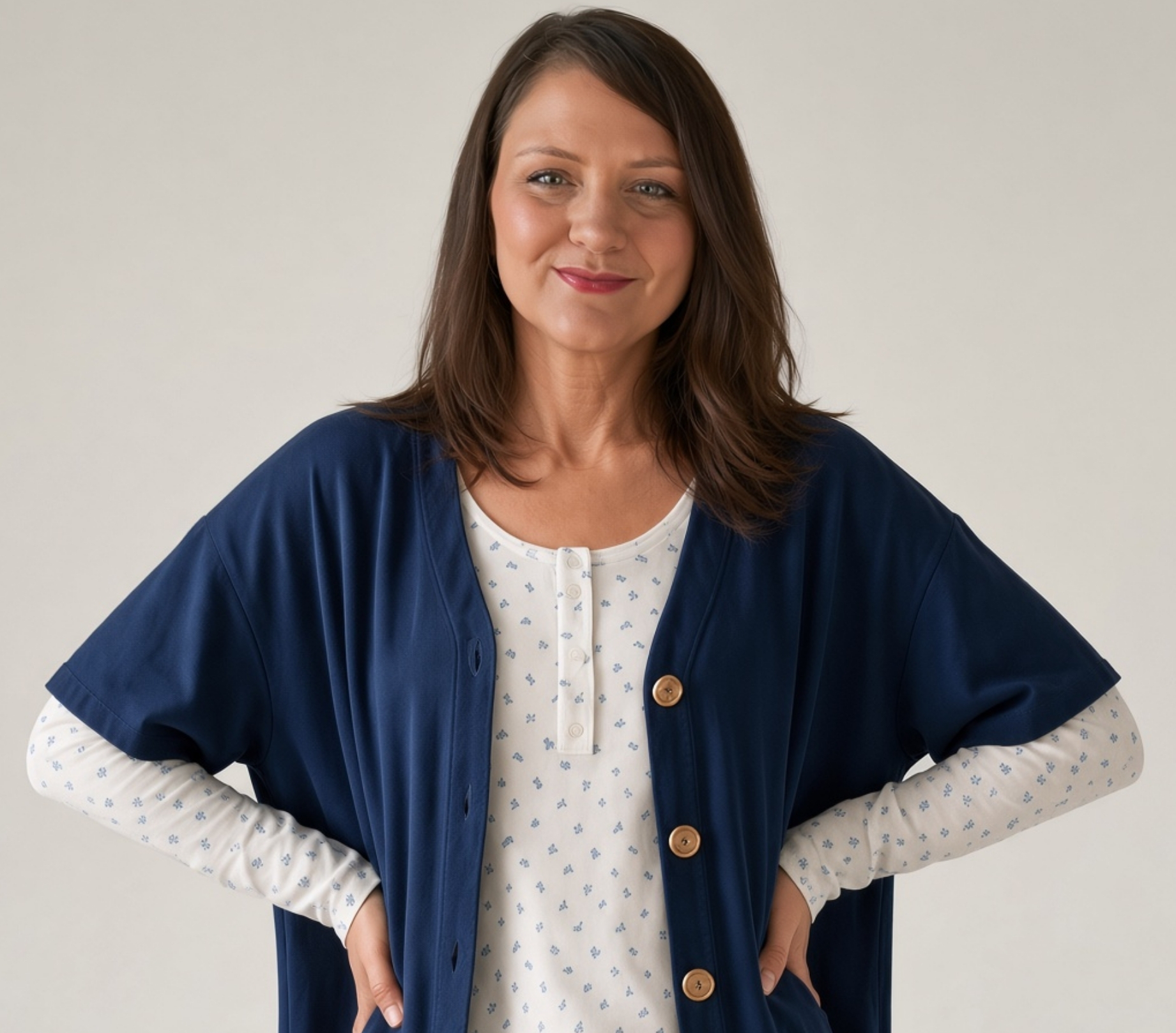
For Jenny Sebring, the ultimate goal is making Made In USA accessible to consumers.
There is a certain irony in selling American-made clothing. The harder you look for it, the harder it can be to find.
Jenny Sebring discovered that firsthand.
When she launched her online boutique Classy Cozy Cool in February 2021, she was looking for a way to learn the wholesale clothing business. What she found instead was a much bigger challenge: finding enough clothing actually made in the United States to build a business around it.
“I decided I was going to go into only Made in USA because it was really hard to find,” Sebring said. “I felt there was an opening in that market because I can’t find it and it is so difficult. I try to buy Made in USA all the time and it can be hard.”
That difficulty became the foundation of her business.
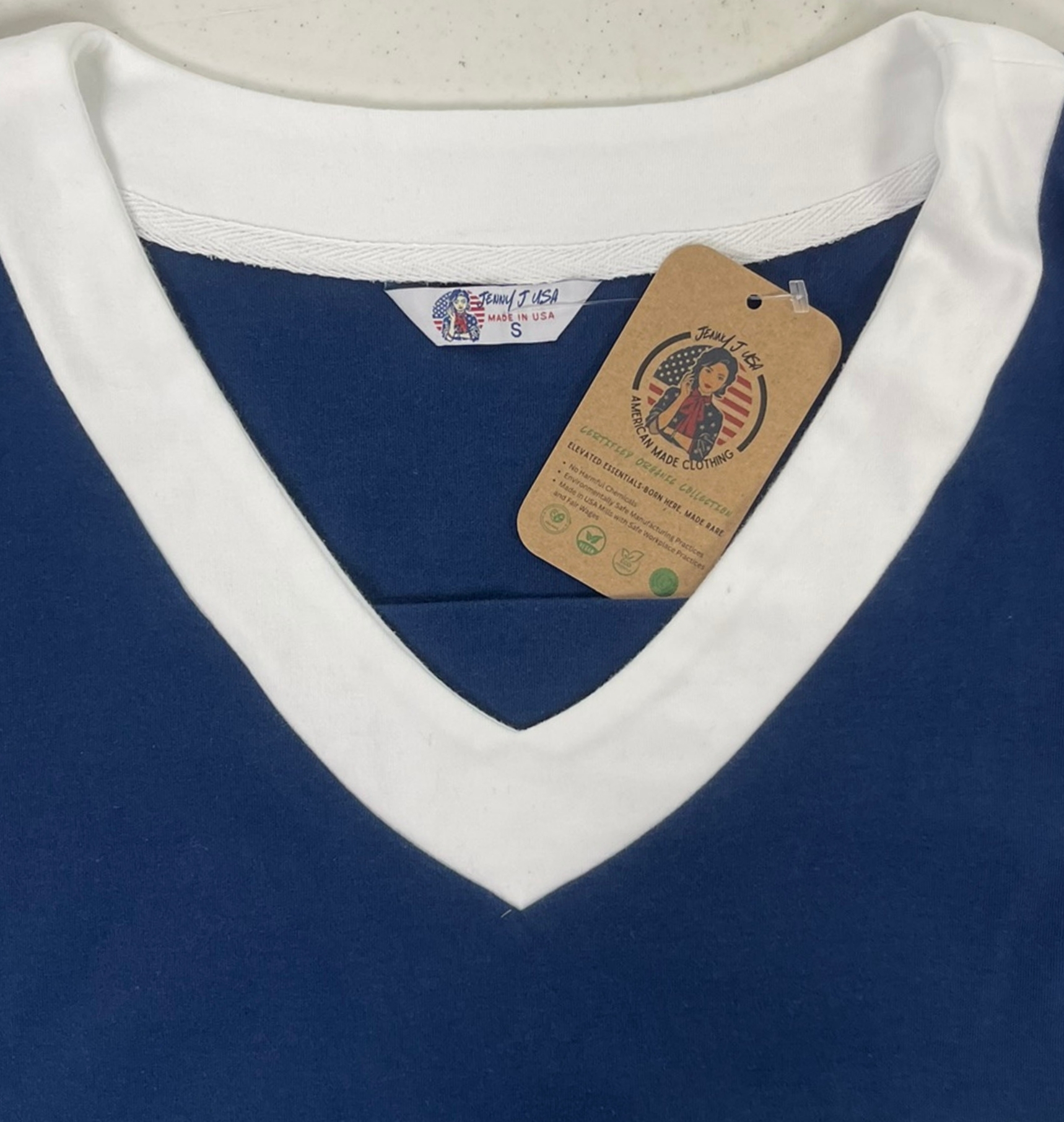
From her home in Woodstock, Georgia, 51-year-old Sebring has built Classy Cozy Cool into a clearinghouse for American-made women’s apparel. Some products are manufactured by other U.S. companies and sold through her website. Others are private-label pieces made for her. And increasingly, she is developing her own collection under the Jenny J USA label.
“I’m starting to really promote my own products and line, but I also have to continue to source Made in USA,” said Sebring. “Some of it is private label and some of it is not. They’re just brands that I work with. I find a manufacturer, they make it in the USA and they sell wholesale, and sometimes I put my label on it.”
Her own Jenny J USA collection grew out of that search.
About two and a half years ago, Sebring began developing pieces including Pikes Peak pants, cotton shorts, tunics, tank tops, pocket leggings and pocket skirts. A California manufacturer produces some of the garments using U.S. cotton and fabric, while other pieces are now being cut and sewn in Georgia.
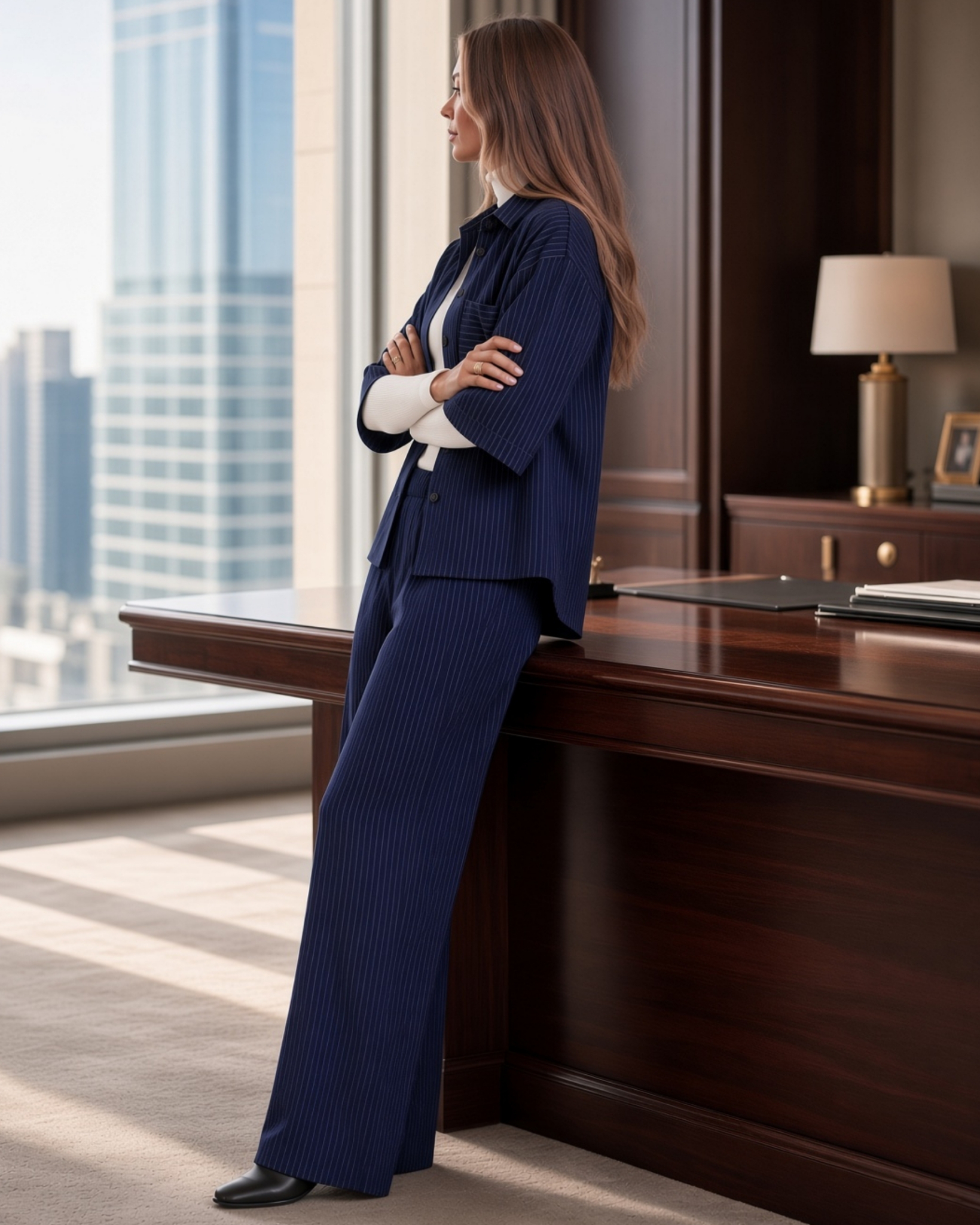
“If I’m going to make clothes, I have to find somebody to sew them because I can find the fabrics,” she said.
That search for fabric has become almost as important as finding the people who sew the clothes. Sebring looks for American-milled fabric and, whenever possible, cotton grown in the United States. One order uses cotton grown in Texas and milled in North Carolina. When a previous supplier began sourcing cotton overseas, she found another company.
“I would prefer the cotton to be grown in the USA,” said Sebring.
The philosophy extends beyond the garment. Sebring dyes some pieces in small batches and makes a point of keeping those products American-made. Even the ribbon used in her packaging is sourced domestically.
That commitment became more important as she watched American manufacturers disappear from her list of suppliers. After a couple of years in the business, Sebring found that some of her favorite sources were no longer producing domestically.
“I would go to a show and they would say they no longer make their products in the USA,” she said. “I was like, are you kidding me? They would say they had some problems and started sending their work to China and Mexico. So, I would then find new sources.”
Today, Classy Cozy Cool carries her Jenny J USA collection alongside other American-made brands, including Boathouse, WSI Sportswear and Retrolicious. Some companies ship directly to customers, while most of Sebring’s inventory is shipped by her Classy Cozy Cool boutique.
“Every single item I have has the label Made in USA,” Sebring said. “I have my own personal label. If it doesn’t say Made in USA, it gets sent back to the manufacturer. I follow up on my orders to make sure it is Made in USA.”
For Sebring, the label is more than a marketing tool. It represents the people cutting, sewing, dyeing and producing clothing in American factories and workshops. She wants to help keep those businesses alive.
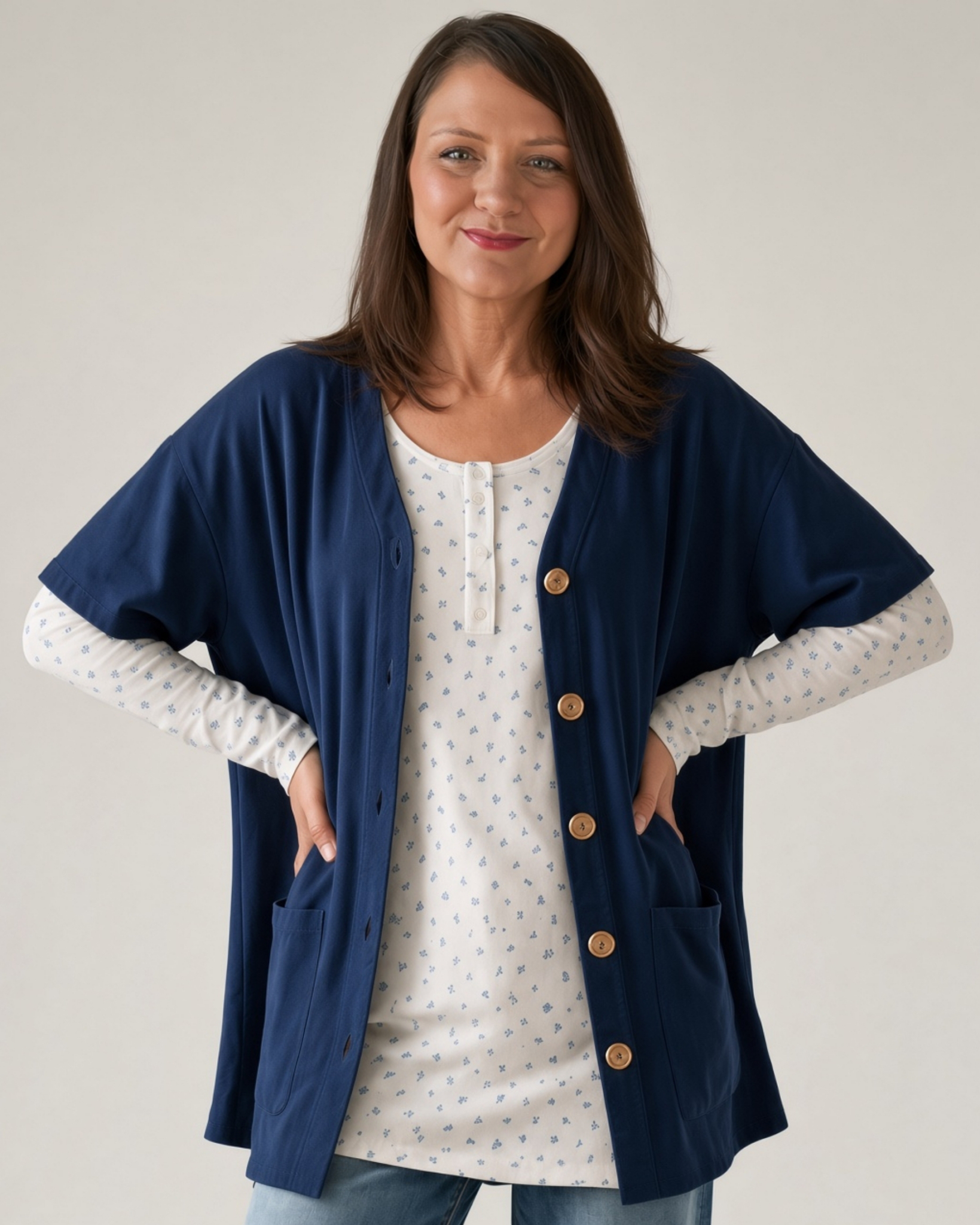
“The manufacturers that I buy from are still doing it in America, and I’m helping them stay in business because I want them to stay in business,” she said. “I want them making stuff in America.”
That mission also shapes the price of her clothing.
Sebring says she works hard to keep prices reasonable because American manufacturing costs more. She has seen the difference between domestic production and the prices consumers often expect.
“The same manufacturer I use in Atlanta is making $800 shirts for a company in New York,” said Sebring. “If I want to have this high-end, expensive line, I could work on doing that, but that’s really not what I want. I really want to keep the price point as good as possible for my customers.”
Her goal is to make American manufacturing accessible rather than turn it into a luxury category.
The collection reflects that philosophy. Sebring carries classic pieces alongside contemporary styles, women’s clothing alongside newer men’s items, and seasonal products alongside garments designed to stay in a wardrobe.
“I try to make a well-rounded selection for older people and younger people,” she said. “I try to do hip styles for younger people and lots of classic conservative styles that anybody would wear.”
There are dresses, leggings, work pants, sweatshirts, sweaters and seasonal pieces. T-shirts are often printed to order, with patriotic designs performing particularly well around the Fourth of July and America 250 celebrations. She also creates college Game Day designs by using just the name of the schools and avoiding college trademarks.
But the graphics are only one part of the business.
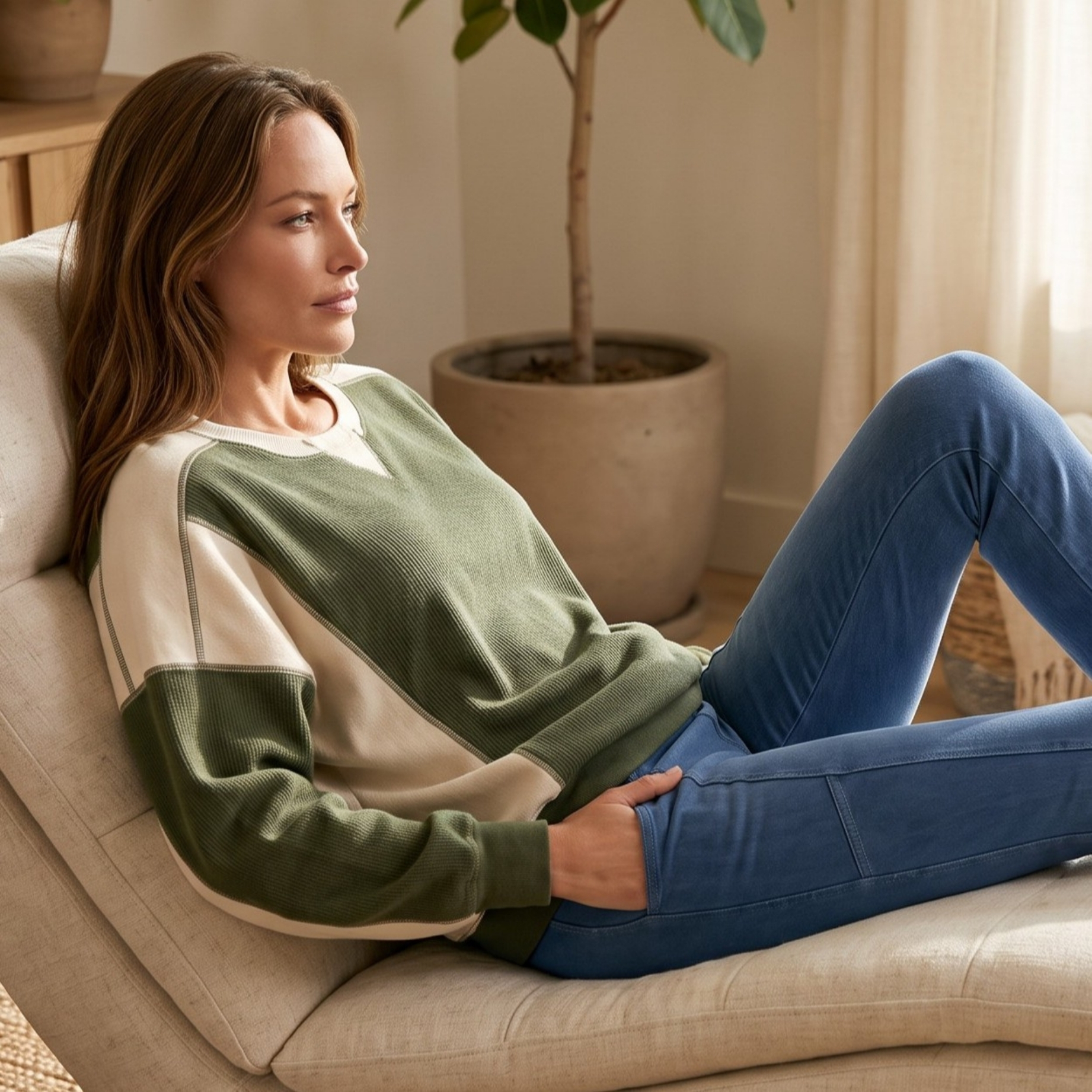
The larger goal is to create a place where customers can find an entire wardrobe without having to hunt through dozens of stores to determine what was actually made in America.
Sebring grew up on a farm outside Evansville, Indiana, raised by a single mother. She later attended Indiana University, lived in Indianapolis and eventually moved to Woodstock, where she has lived for 21 years. She is self-taught in the clothing business and began Classy Cozy Cool after years as a stay-at-home mother.
Sebring believes American manufacturing should never have been sent away in the first place. She sees domestic production as a matter of jobs, economic strength and independence.
“I am so patriotic and believe that our country can do better and that we should never have sent our manufacturing away to begin with,” said Sebring. “I want our country to be self-sufficient.”
She knows a clothing boutique will not rebuild American manufacturing by itself. But Sebring believes individual choices accumulate.
“This is my little speck,” she said. “Doing clothes is my little speck, but it hardly makes a difference. I’m not doing medical supplies and medicine, things I think we absolutely have to have Made in the USA. But then I think everything needs to be Made in the USA.”
For Sebring, the danger is not simply that a shirt is sewn somewhere else. It is what happens when a country gradually stops producing the things its people use.
“I feel like it takes jobs away from Americans and we’ve become just consumers and not producers,” she said. “Then are we ever truly self-reliant?”
That question is stitched into the business she has built.
Classy Cozy Cool gives Sebring a way to offer variety. Jenny J USA gives her a way to put her own ideas into American production. The other brands she carries allow her to support companies that have continued making clothing domestically.
It is a small business taking on a large problem one garment at a time.
The Alliance for American Manufacturing does not receive a commission from purchases made through the above links, nor was the organization or author paid for favorable coverage.
Labeling Note: This story is intended to highlight companies that support American jobs and that make great products in the United States. We rely on the companies listed to provide accurate information regarding their domestic operations and their products. Each company featured is individually responsible for labeling and advertising their products according to applicable standards, such as the Federal Trade Commission’s “Made in USA” standard or California’s “Made in USA” labeling law. We do not review individual products for compliance or claim that because a company is listed in the guide that their products comply with specific labeling or advertising standards. Our focus is on supporting companies that create American jobs.
For more on the Federal Trade Commission’s standards for “Made in USA” claims and California’s “Made in USA” labeling law, please also read this guest post by Dustin Painter and Kristi Wolff of Kelly Drye & Warren, LLP.