Why Lift Truck Fleets Are Staying in Service Longer
Lift truck fleets are staying in service longer as businesses reassess equipment replacement costs and make more of their existing investments. This trend raises a few important questions for facility managers. What is driving longer replacement cycles, how do aging trucks affect daily operations, and what can you do to keep your fleet safe and […] The post Why Lift Truck Fleets Are Staying in Service Longer appeared first on World Construction Today.
 machineryasia
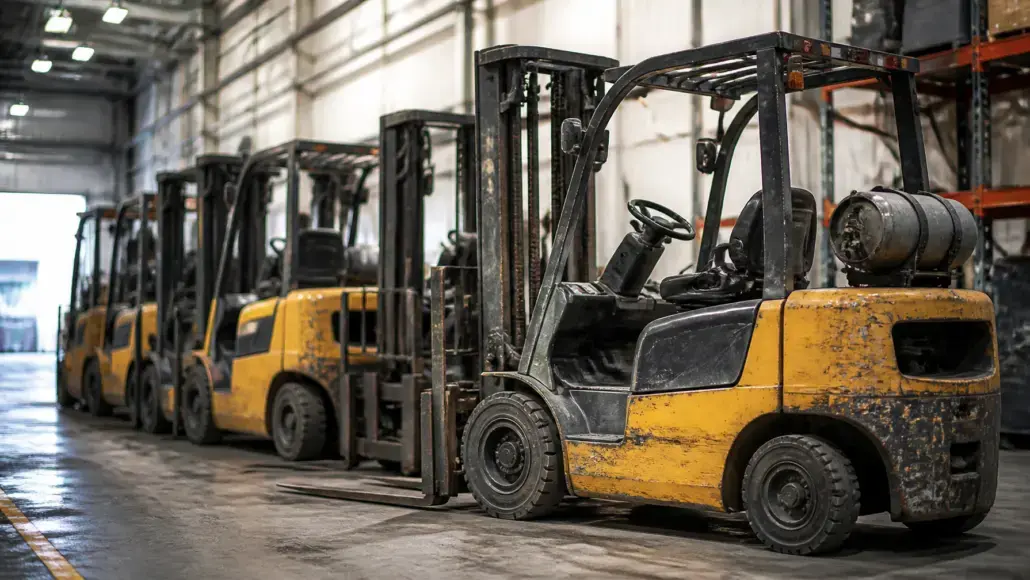
Lift truck fleets are staying in service longer as businesses reassess equipment replacement costs and make more of their existing investments. This trend raises a few important questions for facility managers. What is driving longer replacement cycles, how do aging trucks affect daily operations, and what can you do to keep your fleet safe and productive?Here’s what you need to know.
Rising Equipment Costs Make Replacement More Expensive
The average lift truck replacement timeline reached 8.3 years in 2026, up from 7.2 years in 2024, according to the 2026 Lift Truck User Survey. The same survey found that 35% of respondents typically keep their trucks for at least 10 years. Higher equipment prices help explain this longer ownership period. Replacing several units requires a substantial capital investment, so keeping reliable trucks in service can spread their original purchase costs over more years and delay major spending.
You may also find it harder to justify replacing a truck that still meets your operational needs. Its age alone does not determine its remaining value. A well-maintained unit with manageable running costs may continue to serve your facility effectively, allowing you to direct available capital toward equipment with greater needs.
Tighter Budgets Are Changing Investment Priorities
Fleet budget usually competes with other facility expenses, including staffing, building improvements and day-to-day operating costs, in many companies. Replacing several trucks at once can put pressure on those other priorities. You may need to spread purchases across multiple budget cycles, prioritizing units with high repair costs or declining performance.
Economic uncertainty can add to that pressure. When you cannot confidently predict future expenses, delaying a major purchase may help you preserve funds for immediate operational needs. A phased replacement plan also lets you match spending to workload forecasts and available capital. This makes it easier to keep dependable trucks in service while planning for the units that need replacing.
What Longer Fleet Life Cycles Mean for Daily Operations
Keeping trucks longer changes the demands on your maintenance team and how you manage daily work. As equipment ages, you need to pay closer attention to its condition, repair history and operating costs to maintain productivity.
Uptime and Equipment Reliability
As components wear, mechanical faults can become more frequent and unexpected breakdowns may disrupt daily operations. A truck out of service can slow material movement, delay orders and leave the rest of your fleet handling additional work. Even a relatively minor fault can affect output during a busy shift.
You also need to account for reliability when assigning equipment. A truck with recurring problems may be better suited to lighter tasks, provided it remains safe to operate. Matching each unit to its condition and workload can help you manage availability across the fleet and reduce disruption.
Maintenance Planning and Repair Costs
Longer service periods usually bring more inspections, servicing and component replacements. A planned maintenance schedule helps you identify developing faults early and prepare for routine expenses. Medley Equipment Company reports that predictive maintenance can reduce overall maintenance costs by up to 30%. Early fault detection can help you control repair spending as your fleet ages.
Service records also help you identify recurring problems. For example, repeated hydraulic repairs or electrical faults may indicate that a truck is approaching the end of its economical service life. Tracking these patterns gives you a clearer picture of future maintenance needs and helps you decide how much more use you can reasonably get from each unit.
Total Cost of Ownership
United Rentals puts a general forklift lifespan at 10,000 to 20,000 operating hours. At eight-hour workdays, that equates to roughly five to 10 years, although actual service life depends on maintenance, workload and storage conditions. Electric models may last longer because they have fewer moving parts, but their batteries may need replacement after around 1,500 charges or five years.
These figures can help you estimate how much working life a truck may have left, but operating hours alone cannot determine its value. Your total cost of ownership also includes routine servicing, replacement parts, labor, major repairs and downtime. Compare these expenses with the cost of acquiring another unit to understand whether keeping an older truck makes financial sense.
How Fleet Managers Can Keep Aging Trucks Safe and Productive
Extending a truck’s service life requires consistent oversight. Your maintenance plan should account for operating hours, working conditions and the state of individual units. Regular checks help you catch developing problems, control repair expenses and make replacement decisions before equipment failures disrupt operations.
Establish a Preventive Maintenance Schedule
A consistent service routine helps you catch wear early and keep aging trucks safe to operate. United Rentals recommends following manufacturer maintenance schedules and adjusting service intervals to account for operating hours and working conditions. Your inspections should cover brakes, tires, hydraulic hoses, fluid levels and batteries. Regular cleaning and suitable replacement parts also help protect components from avoidable wear.
Monitor Equipment Condition and Performance
Daily care also helps preserve equipment condition between scheduled services. According to Medley Equipment Company, this can include checking fluid levels, inspecting tires and brakes, cleaning trucks and using quality replacement parts. These tasks help you identify visible wear and address minor issues before they develop into more serious faults.
For a longer-term view, keep records of operating hours, repairs and recurring problems. Compare maintenance spending and downtime across your fleet to identify units that are becoming more expensive to run. Operator reports of unusual noises, leaks or changes in lifting performance can help you investigate problems promptly.
Know When to Repair, Rent or Replace
A truck with an isolated fault and manageable repair costs may still be worth maintaining. Renting can cover seasonal demand, temporary workload increases or periods when a unit is undergoing repairs. Replacement becomes a stronger option when recurring faults, rising service expenses or reduced productivity make continued ownership uneconomical.
Compare annual repair spending and downtime with the cost of renting or purchasing another truck. Safety must remain central to that decision. OSHA recorded 5,186 severe forklift injuries between 2015 and 2024, averaging about nine incidents per week. Remove any unsafe truck from service until qualified personnel complete the necessary repairs.
Frequently Asked Questions
Here are answers to common questions about longer lift truck life cycles and fleet management.
Why Are Lift Truck Fleets Staying in Service Longer?
Higher equipment prices and tighter budgets are encouraging businesses to delay replacements and extend the working lives of existing trucks.
Where Can You Buy a Forklift Near Oklahoma City?
Businesses near Oklahoma City can buy forklifts from authorized dealers, used equipment dealers and online marketplaces. Check that the seller offers local parts and service, and compare total cost of ownership before you commit. For example, Medley Equipment Company is one dealer with an Oklahoma City location that sells new and used forklifts and offers rentals, parts and service.
How Long Should a Lift Truck Stay in Service?
According to United Rentals, the general lifespan estimate is 10,000 to 20,000 operating hours, or roughly five to 10 years at eight-hour workdays.
Making Your Lift Trucks Go the Distance
Longer service life can help you manage capital spending and get more value from your fleet. The key is to balance those savings with the costs of maintenance, downtime and safe operation. Track each truck’s condition and performance so you can keep reliable equipment working and replace units when continued repairs begin to outweigh their value.
The post Why Lift Truck Fleets Are Staying in Service Longer appeared first on World Construction Today.