America at 250: The Manufacturing Story
On Monday, we're launching a miniseries on The Manufacturing Report podcast that delves into our national manufacturing history.
 machineryasia
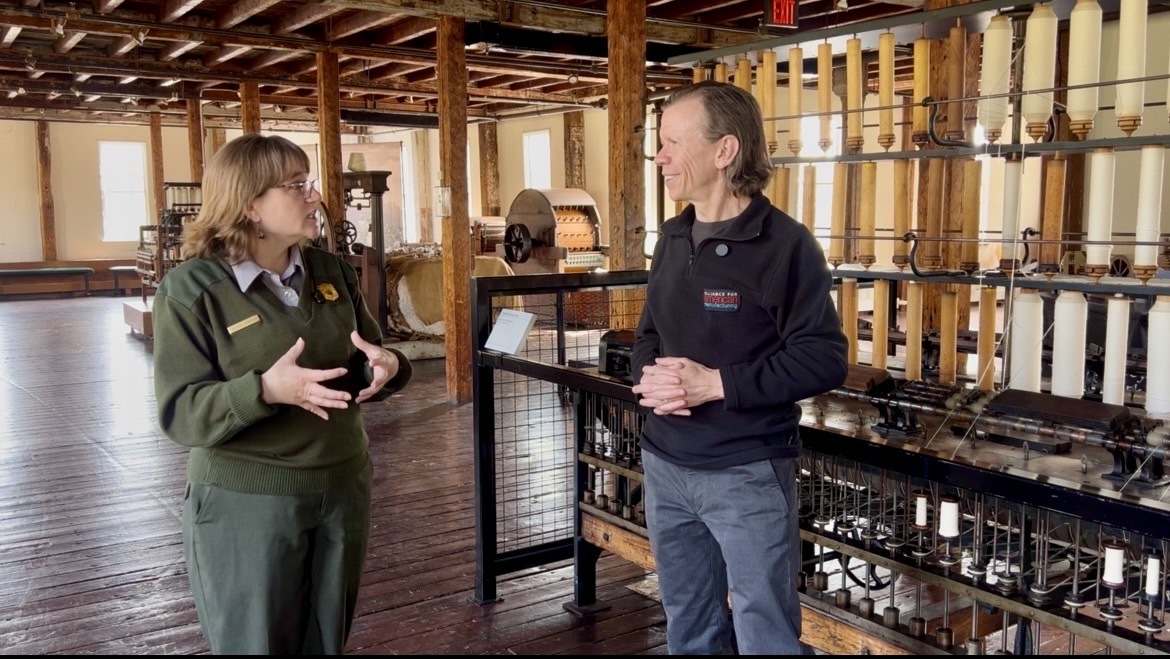
On Monday, we’re launching a miniseries on The Manufacturing Report podcast that delves into our national manufacturing history.
Our nation celebrates its 250th year of independence this year. That is something to celebrate even as we reflect on our flaws – past, present and future.
As a history buff, I am excited about the opportunity to tie a few major moments in our nationhood to lessons for today and tomorrow. One way the Alliance for American Manufacturing (AAM) is doing that is through three upcoming episodes or our podcast, The Manufacturing Report.
We visit Rhode Island, Pennsylvania and Michigan to touch on three significant milestones in our nation’s industrial heritage. First, we will explore the importance of Old Slater Mill in Pawtucket, Rhode Island, to learn about our nation’s quest for a more diverse and self-sufficient manufacturing economy in the 1790s. Then, we will travel to the late 19th century Carrie Blast Furnaces National Historical Site in Pittsburgh, Pennsylvania. Finally, we will admire the World War II-era Arsenal of Democracy in and around Detroit, Michigan.
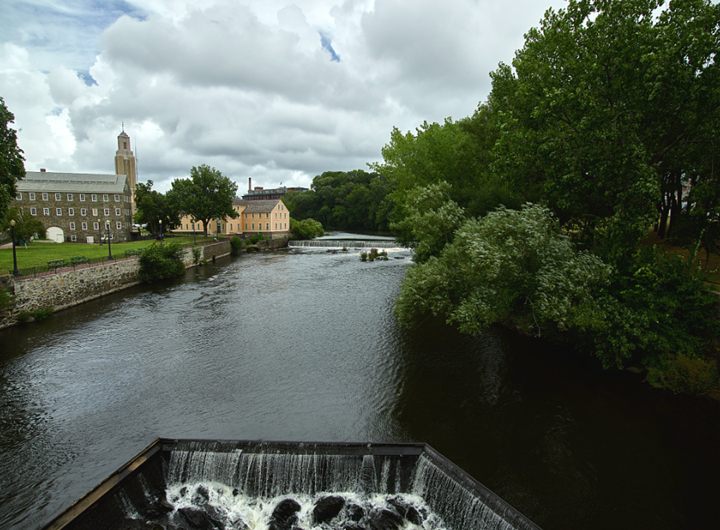
Let us start with Old Slater Mill. It is now part of the Blackstone River Valley National Historical Park in Rhode Island and Massachusetts. Allison Horrocks, a wonderful Park Ranger there, very kindly explained the history and significance of the mill to me.
It is an interesting story.
It starts with a capitalist with a big idea but not the ability. Moses Brown, a local merchant, wanted to stand up the first full-fledged textile mill in the new United States, and he had ideal water power and local craftsmen at the ready. However, because England had kept all its textile machinery technology a closely guarded secret, Brown and his colleagues could not get anything to work properly.
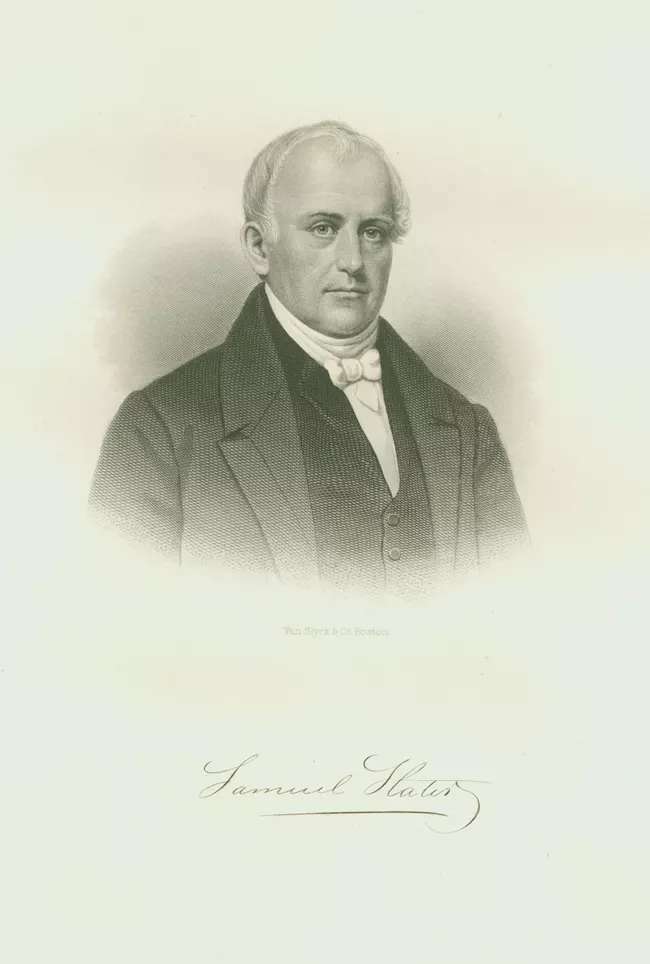
This is where Samuel Slater comes into the story. He was an English textile machinery apprentice (with a great memory) who emigrated to the United States. Brown hired Slater on and soon after they had Slater Mill in operation.
Slater, who had worked in a textile mill as a child in England, employed local children in Pawtucket between the ages of 8 and 14; shocking by today’s standards, though common at the time. In shifting to mass textile production, Slater also helped deskill the work. Homespun garment and textile production had demanded much greater technical skill and craftsmanship. The mill marked an important turning point in labor relations, bringing wages, working conditions, and automation to the forefront – concerns that remain with us today. Not coincidentally, America’s first wage-earners’ strike took place in Pawtucket.
The mill produced textiles for more than a century. Throughout the 19th century it attracted immigrants from Canada and then Europe. But as steam power supplanted water power, the end of reliance on proximity to rivers meant Pawtucket waned as a manufacturing center.
As I reflected on the conversation I had with Ranger Horrocks and walked the grounds at Old Slater, I had two words on my mind: survival and rebirth.
First, survival.
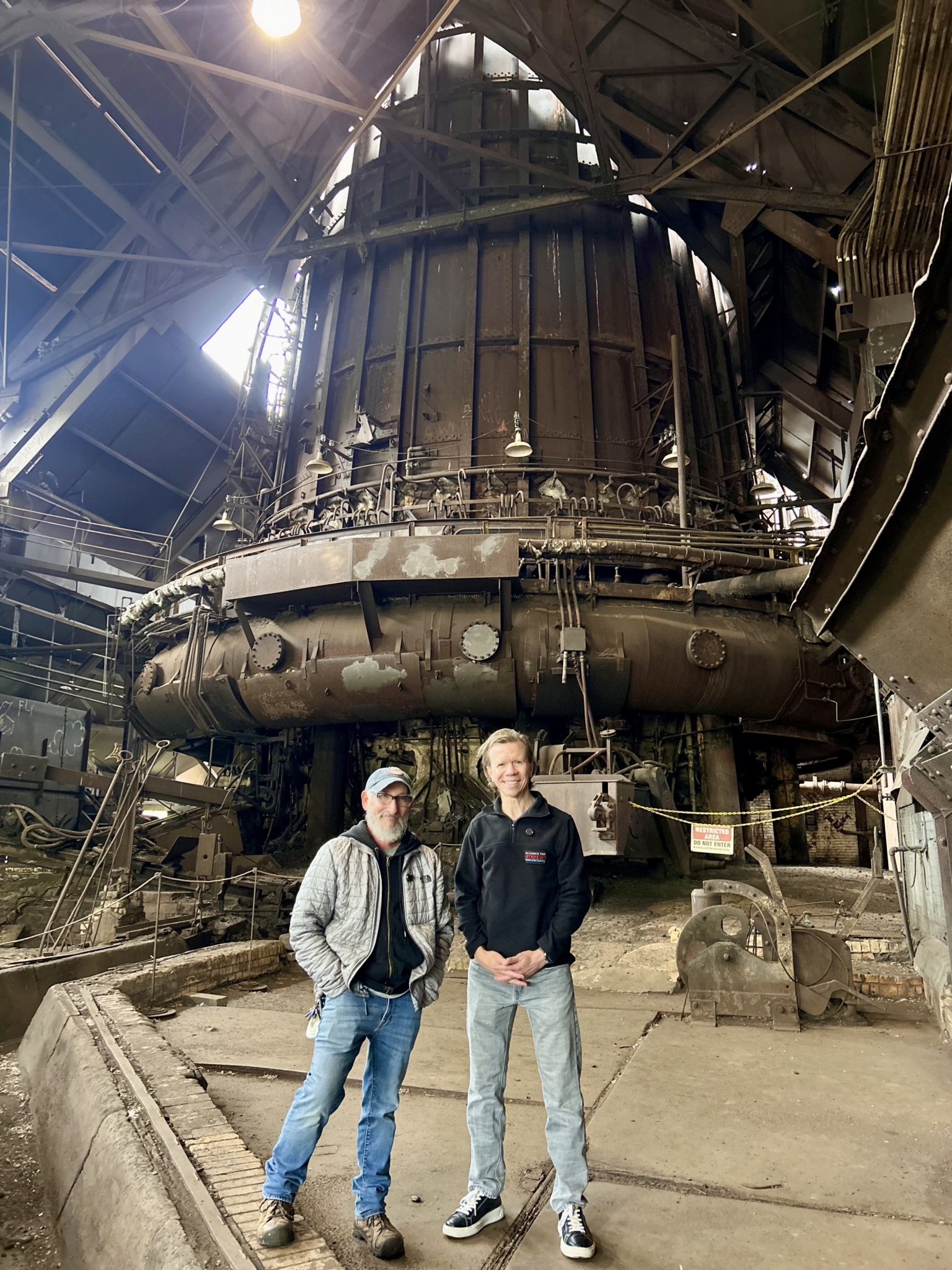
The manufacturing companies in our nation (and the men and women who make them great) that have endured decades, through shifting economies, massive technological change and globalization, are survivors. While we marvel at the latest shiny tech or AI company that may be a mere 10 or 20 years old, many U.S. manufacturers have been making the goods we count on for more than a century. They have been the bedrock of our economic, cultural and military power. And it is a conscious choice – not market forces alone – that dictate whether they will be here tomorrow or not. Do our policymakers understand this?
Second, rebirth.
Rhode Island, like our nation, has had to remake its economy multiple times over its history. We are undergoing another radical transformation right now with the expansion and adoption of artificial intelligence. Will our policymakers ensure that we all benefit from it, including our manufacturers? Too many seem to forget that we live in a built world, with glass, steel, aluminum, concrete, motors, circuits and other physical products all around us. It would be an enormous mistake to focus on AI at the expense of manufacturing.
I cannot wait to share this episode with you and hope you will join me on this journey for the next few weeks. I look forward to celebrating the durability of our democracy whose foundation was built not only on ideas and values but also on our ability to make and remake our economic future.
Stay tuned. The episode launches Monday morning.