A Ride of the Future or Blast from the Past? We’ll let you Decide.
When the Personal Rapid Transit (PRT) system gold-and-blue cars first came online, it offered a glimpse into a transportation future that might have been.
 machineryasia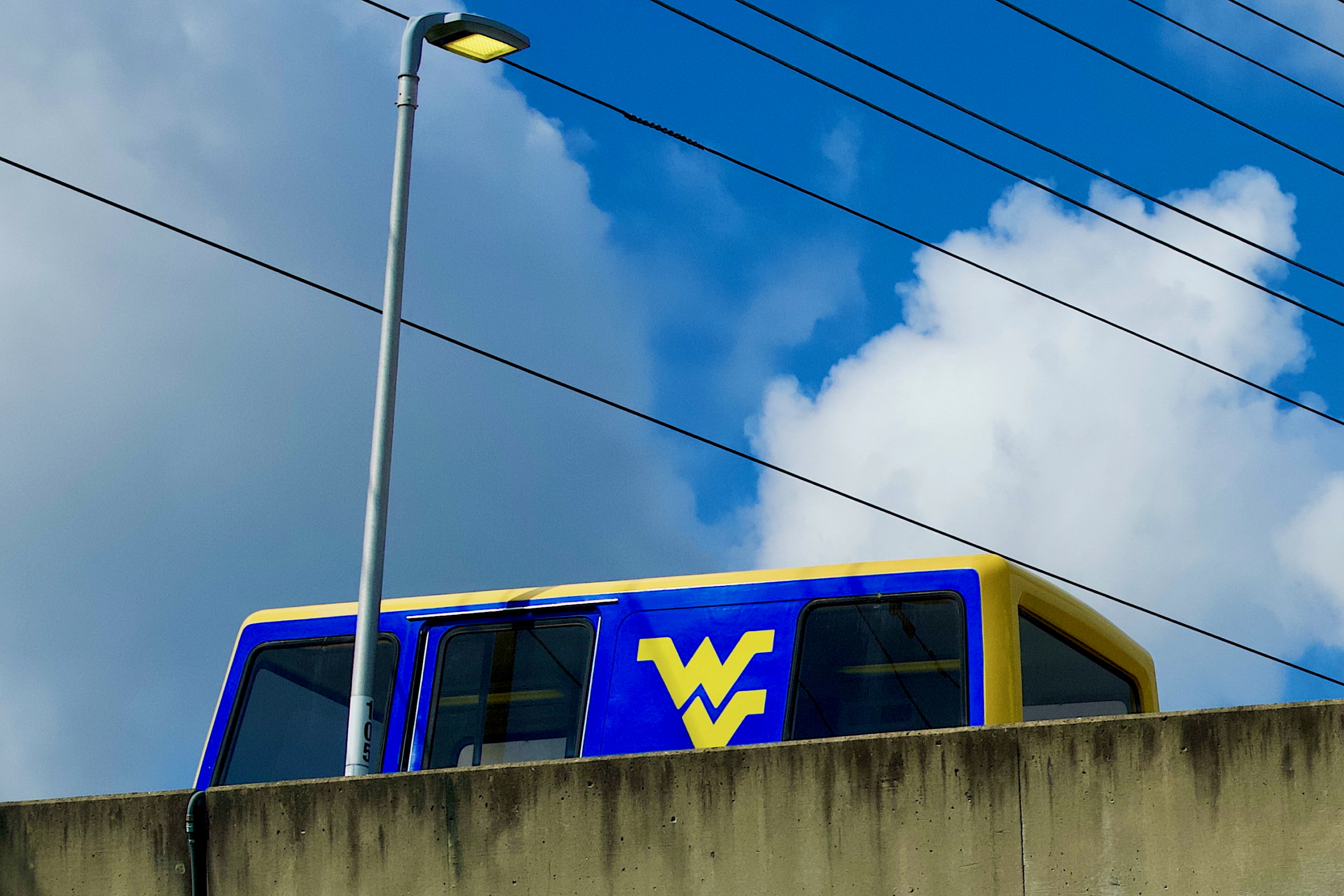
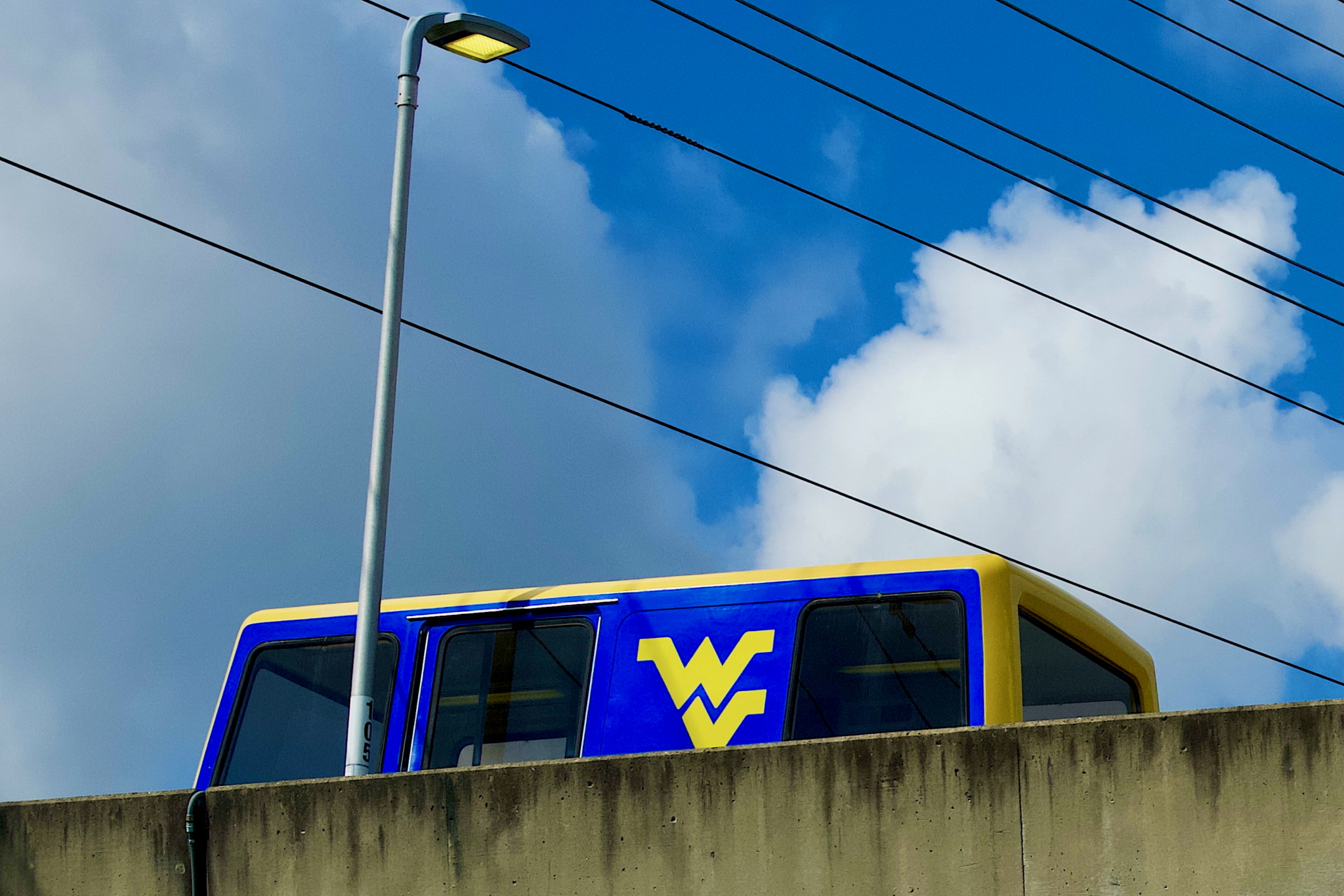
When the Personal Rapid Transit (PRT) system gold-and-blue cars first came online, it offered a glimpse into a transportation future that might have been.
For more than 50 years, a fleet of gold-and-blue cars has glided above the streets of Morgantown, West Virginia. They might look like relics of the past, but when West Virginia University introduced its Personal Rapid Transit (PRT) system, it offered a glimpse into the future of transportation.
When you think of West Virginia, you may think of a few things. Mountains, coal, John Denver’s “Country Roads.” Or maybe pepperoni rolls and Mothman. But nestled in the Appalachian Mountains along the Monongahela River is West Virginia University’s iconic Personal Rapid Transit (PRT) system.
If you’ve ever visited Morgantown, you’ve probably seen the little gold-and-blue cars gliding above the streets, seemingly stuck somewhere between the 1970s and the distant future. And of course, you may actually see these cars stuck.
Well, those 1970s-looking cars were, in fact, designed to be the future of transportation.
In the late 1960s, WVU grew rapidly. Enrollment boomed post-WWII, so much so that the state’s flagship university opened a third campus about two miles from the original in downtown Morgantown. But students were spending hours trying to get between classes, and with Morgantown’s hills, narrow roads and the Monongahela cutting through town, the need for a better way to get around was pretty obvious.
So WVU started looking for a solution.
In 1969, engineering professors Samy Elias and Jack Byrd submitted a grant request to the newly formed U.S. Department of Transportation, asking it to fund a study on an automated transit network that could move people between the university’s campuses and be replicated across the country.
Many ideas were proposed, including a tunnel that would suck students from one campus to another like a vacuum tube. But only one idea responded to WVU’s actual needs. Thus, the PRT system was born.
But this wasn’t just a West Virginia project. The federal government helped fund the project through legislative lobbying by former U.S. Rep. Harley Staggers, Sr., who served the state’s 2nd Congressional District for 16 terms. However, Boeing also became involved after purchasing Alden Self-Transit Systems, the company behind the selected PRT concept. The project cost $120 million to construct.
Construction began in the early 1970s, and the first phase of the system was dedicated in October 1972. Former President Richard Nixon sent his daughter Patricia to Morgantown for the occasion. She was the first person to ride the WVU PRT, likening it to Disneyland when she returned to the station.
After a few years of testing and lots of technical difficulties, the PRT opened to the public in 1975. Within a few more years, the line extended to Health Sciences, another extension of the WVU campus.
And with that, Morgantown was now home to one of the country’s most futuristic transportation experiments. Not bad for a town best known for mountains and football.
While that’s a great story, what about the technical details of the WVU PRT?
The system was developed during a period when the U.S. was investing heavily in new ideas for moving people more efficiently. But this wasn’t an easy project. Although Boeing provided technical expertise, much of what they needed to know they learned operationally on the fly. Weather slowed construction. Early computers struggled to coordinate dozens of cars at once. The system short-circuited. More than 20,000 individual parts, many custom-made or adapted for the project, had to work together in the project’s construction.
The result was 8.7 miles of guideway between five stations and 67 rubber-tired, electrically powered vehicles that are built on a Dodge truck chassis. Each car holds about 15 people, and they’re painted in WVU’s gold and blue colors. These cars can travel up to 33 mph, covering the trip end to end (four miles) in 11.5 minutes.
The PRT is unlike a traditional train or subway. Its small, rubber-tired vehicles travel along elevated guideways that are controlled by a computerized system. Better yet, its on-demand system allows passengers to pick the destination they want to go to, and they can bypass all the other stations. While that was pretty futuristic in the 1970s, today it might look more like a time capsule.
But perhaps the most impressive part about this “time capsule” is that it lasted.
“‘When the PRT was built, the design life on it was estimated at 10 years,’” WVU Transportation Director Jeremy Evans said.
Almost 51 years later, the WVU PRT is estimated to have made more than 100 million trips, traveled 40 million miles and carried more than 83 million passengers. Around 12,000 passengers still ride the PRT every day. And despite the system’s age, the PRT has a reliability rate above 98% (measured in 2024).
Of course, the PRT has become much more than a transportation system; it’s a Morgantown icon.
It’s where students cram themselves in on game days, haul their schoolwork across campus and occasionally wonder why the car has stopped moving. And of course, the PRT has a PRT Cram competition as part of WVU’s yearly Mountaineer Week.
The record: 97 people set in 2000.
So, is the PRT still the “ride of the future?”
That depends on what you mean by the future. The PRT may look almost unchanged from the outside, but the system has continued to evolve behind the scenes: new control systems in the 1990s and the 2010s, and a $100 million renovation effort set to extend the PRT’s life into the 2030s.
The original problem the PRT was designed to solve hasn’t exactly disappeared either. Morgantown is still a growing community, and WVU still has students traveling between its three campuses (Downtown, Evansdale and Health Sciences).
Today, the PRT has even become a living classroom where WVU students can study engineering, automation and control systems through hands-on projects.
The future doesn’t look exactly as people in the 1970s imagined. There are no flying cars hovering over Morgantown and, thankfully, no vacuum tunnels sucking students to and from class. But a fleet of little vehicles still glides over the streets of an Appalachian college town more than 50 years later. A piece of American engineering that was once considered futuristic has become part of everyday life.
Maybe that is the future.
Or maybe, in true West Virginia spirit, it’s just a really good idea that refused to quit.