A Texas-Made Shoe that Walks Between Style and Comfort
San Antonio Shoemakers controls every step of the manufacturing process from its Lone Star State factories. The result is a varied line of exceptionally well-made shoes.
 machineryasia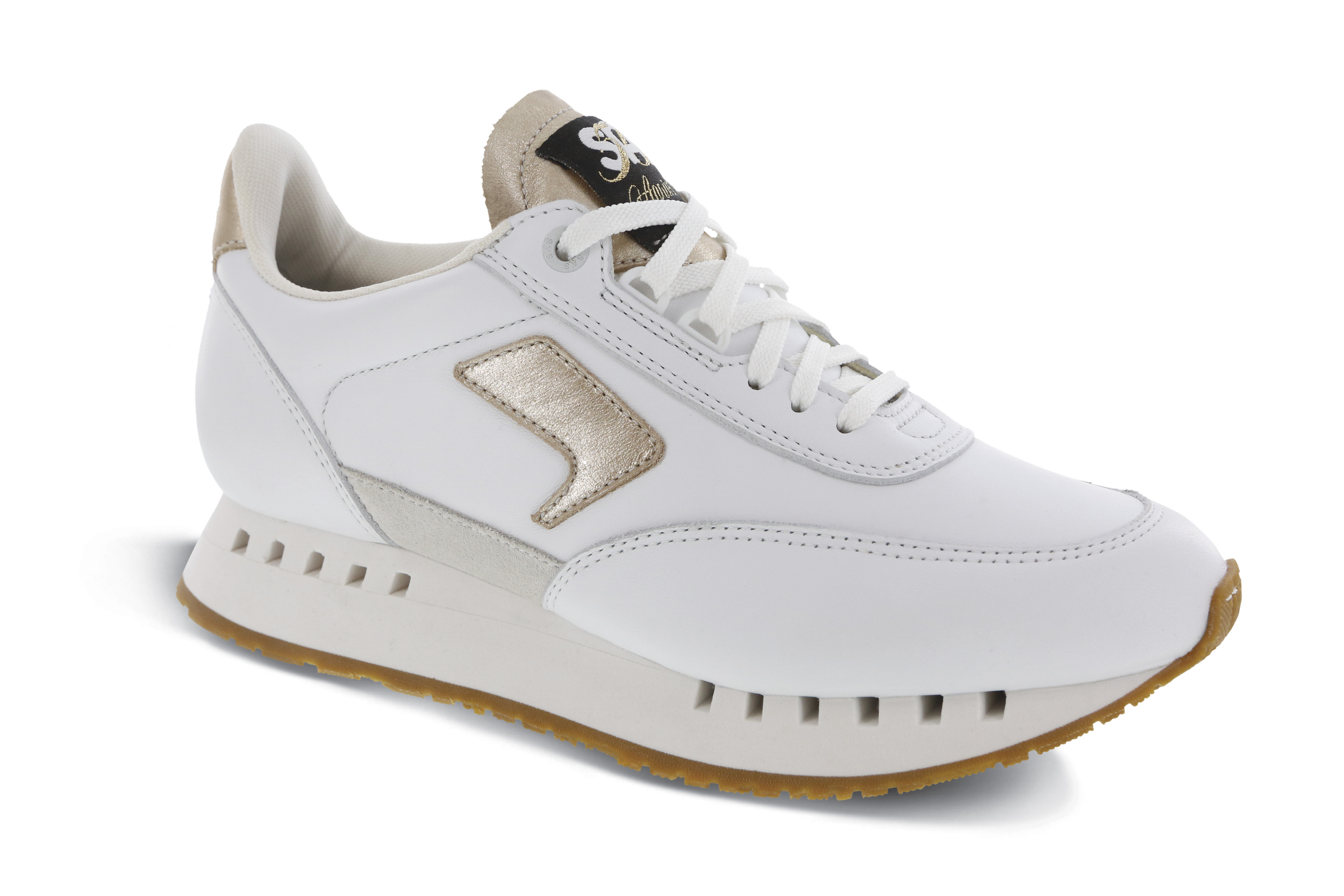
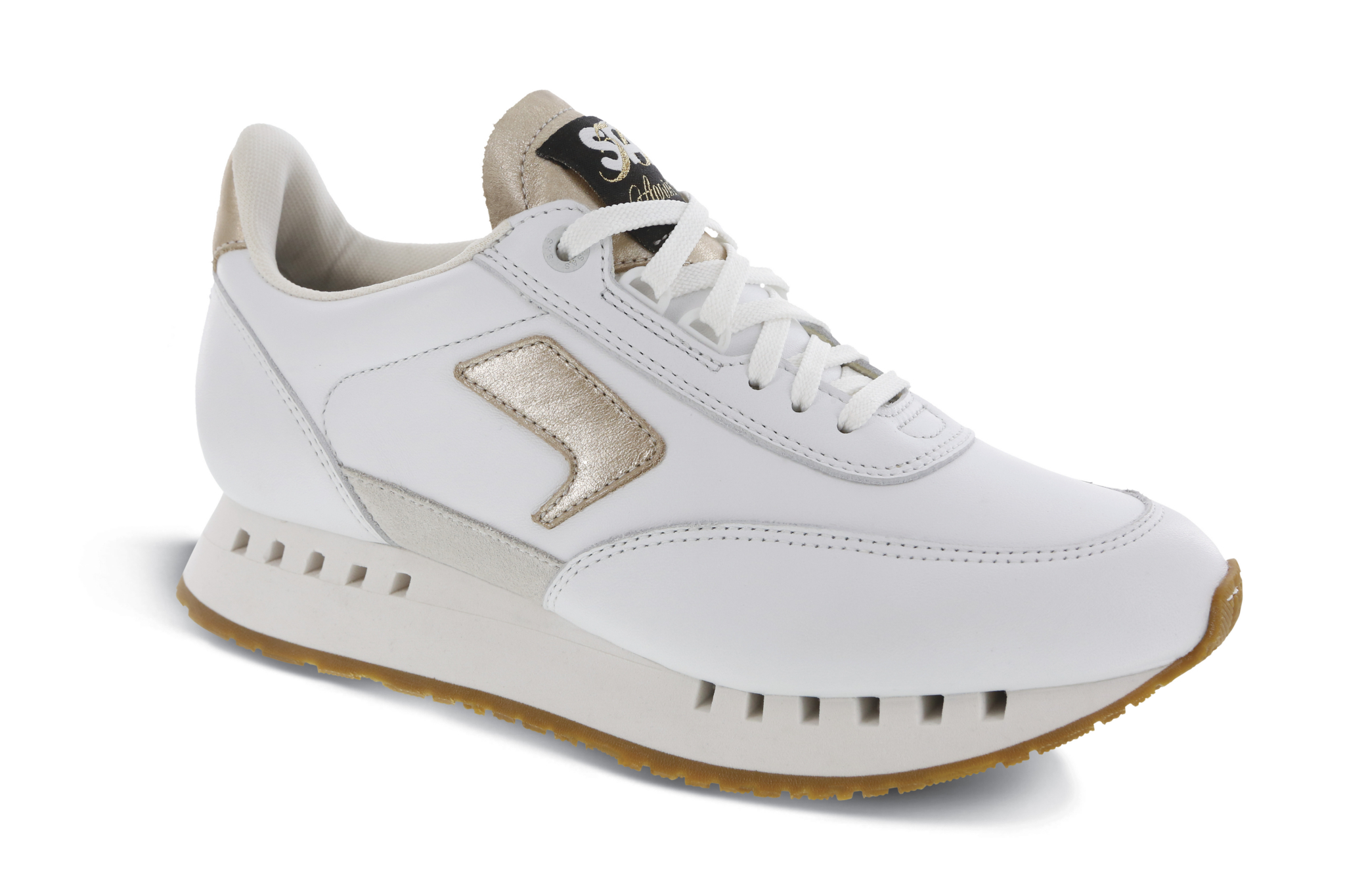
San Antonio Shoemakers controls every step of the manufacturing process from its Lone Star State factories. The result is a varied line of exceptionally well-made shoes.
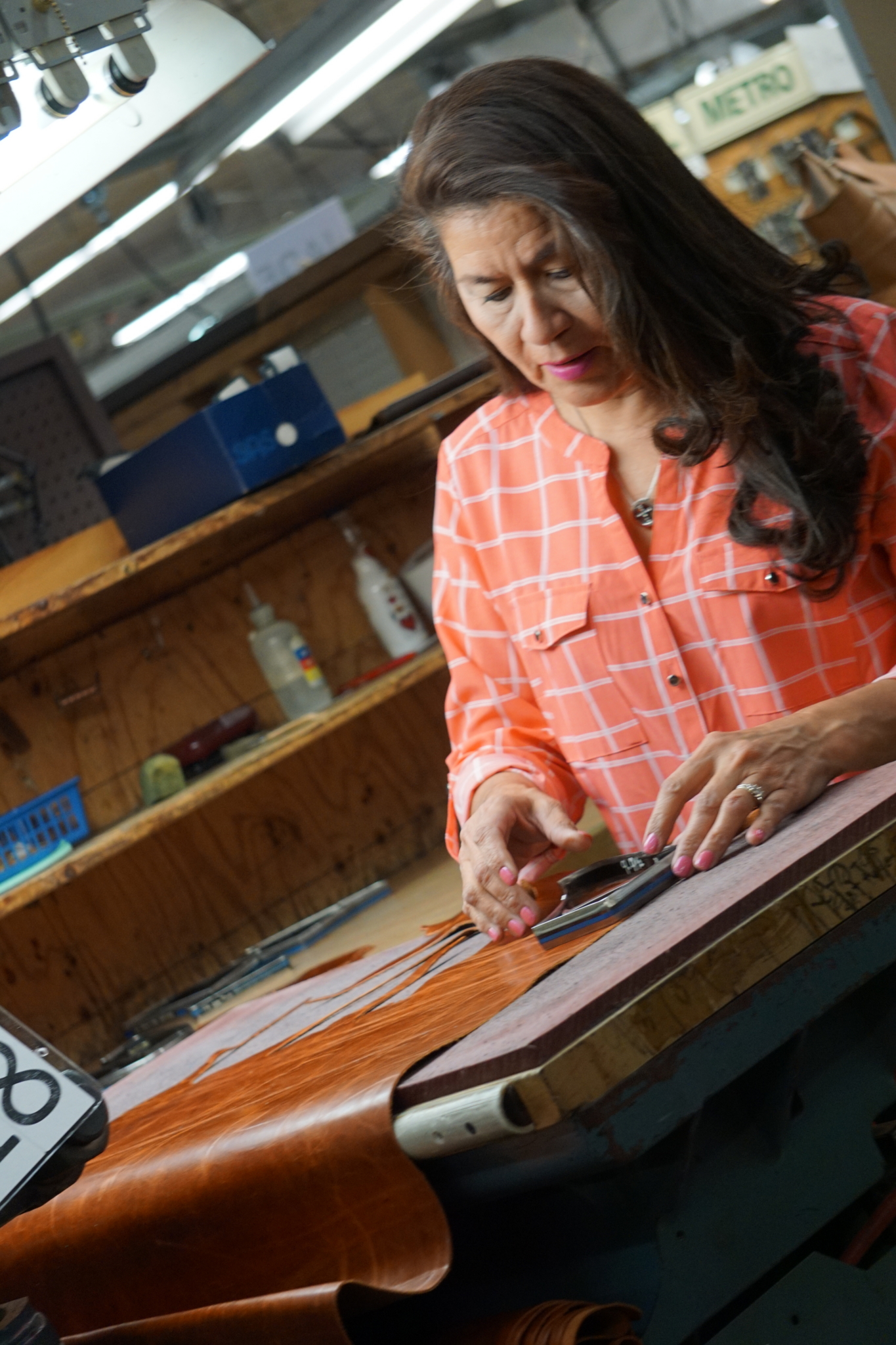
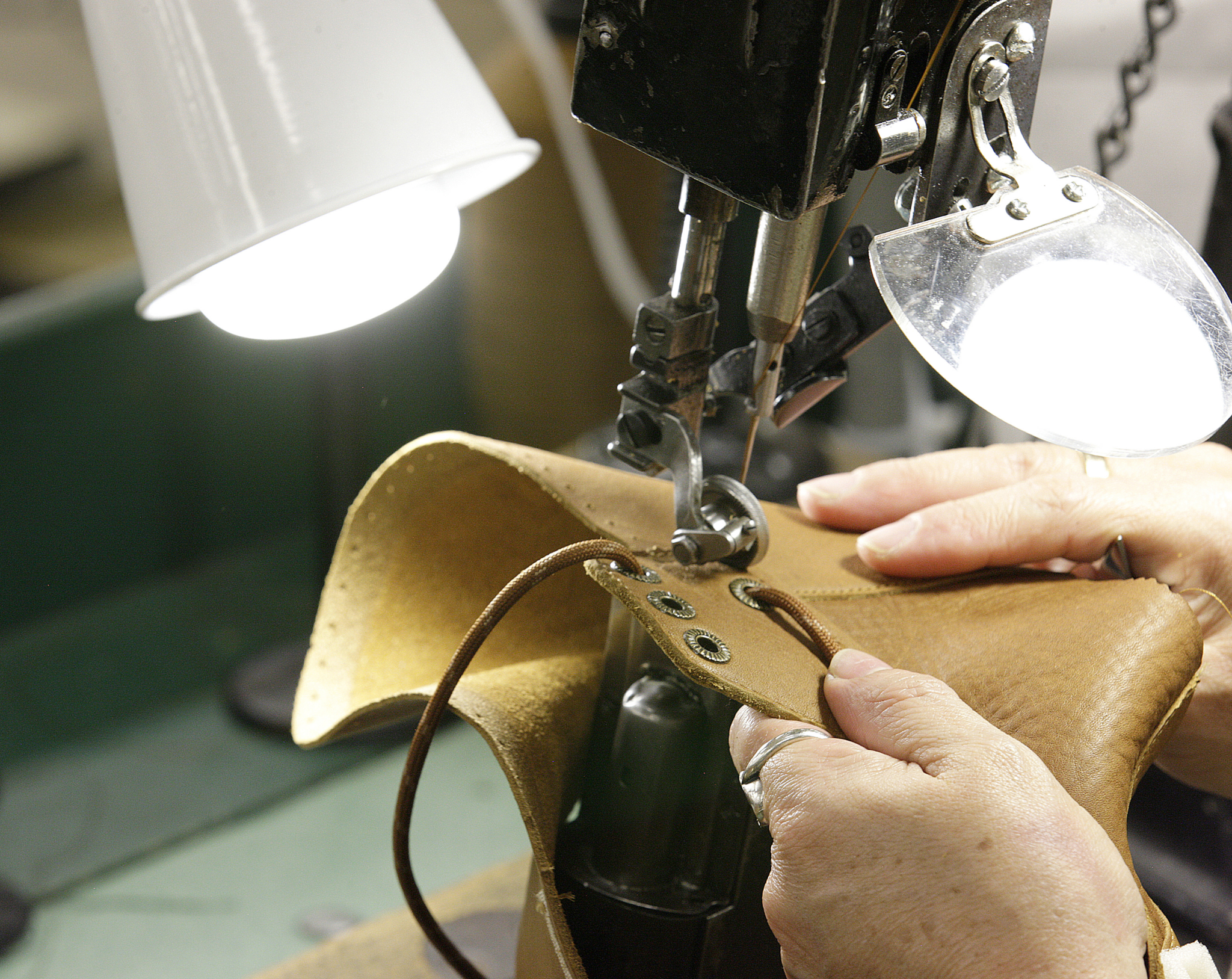
Inside the San Antonio Shoemakers’ factories in Texas, footwear is still made much the way the company’s founders envisioned 50 years ago. Leather is cut, shoe lasts are carved and skilled workers assemble each pair by hand.
Most importantly, the production workers maintain the highest quality when shoe building. It is an approach that runs against the direction of much of the modern footwear industry.
While competitors moved production overseas in the 1970s and ‘80s in search of lower costs, San Antonio Shoemakers (SAS) remained committed to manufacturing in the United States. Today, the family-owned company employs hundreds of workers, exports to 18 countries and recently renewed a $98 million contract to supply training shoes for U.S. military recruits, demonstrating that American shoemaking can still compete on a global stage.
For SAS CEO Nancy Richardson, the company’s longevity can be traced to a decision made by founders Terry Armstrong and Lew Hayden when they launched the business in 1976. Both men brought years of footwear manufacturing experience to the venture, including time with Dexter Shoe, and shared a conviction that quality shoes could still be produced in America even as much of the industry was beginning to look overseas for lower-cost production.
“They both felt very strongly that good shoes could still be made in America,” Richardson said. “They instilled the foundations that we continue with today, which is we are not going to chase cheap labor across the world. That was important to them when they started the company, and it’s still important to us today.”
That philosophy has become increasingly rare in American footwear. While many brands maintain domestic design and marketing operations while outsourcing production abroad, SAS continues to control the entire manufacturing process.
“We do everything in-house from starting with the block of wood for the lasts until the shoe ships out of our warehouse to the consumer,” Richardson said. “Nobody else touches it. We do it all here. We own the process all the way through, and that’s something that becomes more unusual every year.”
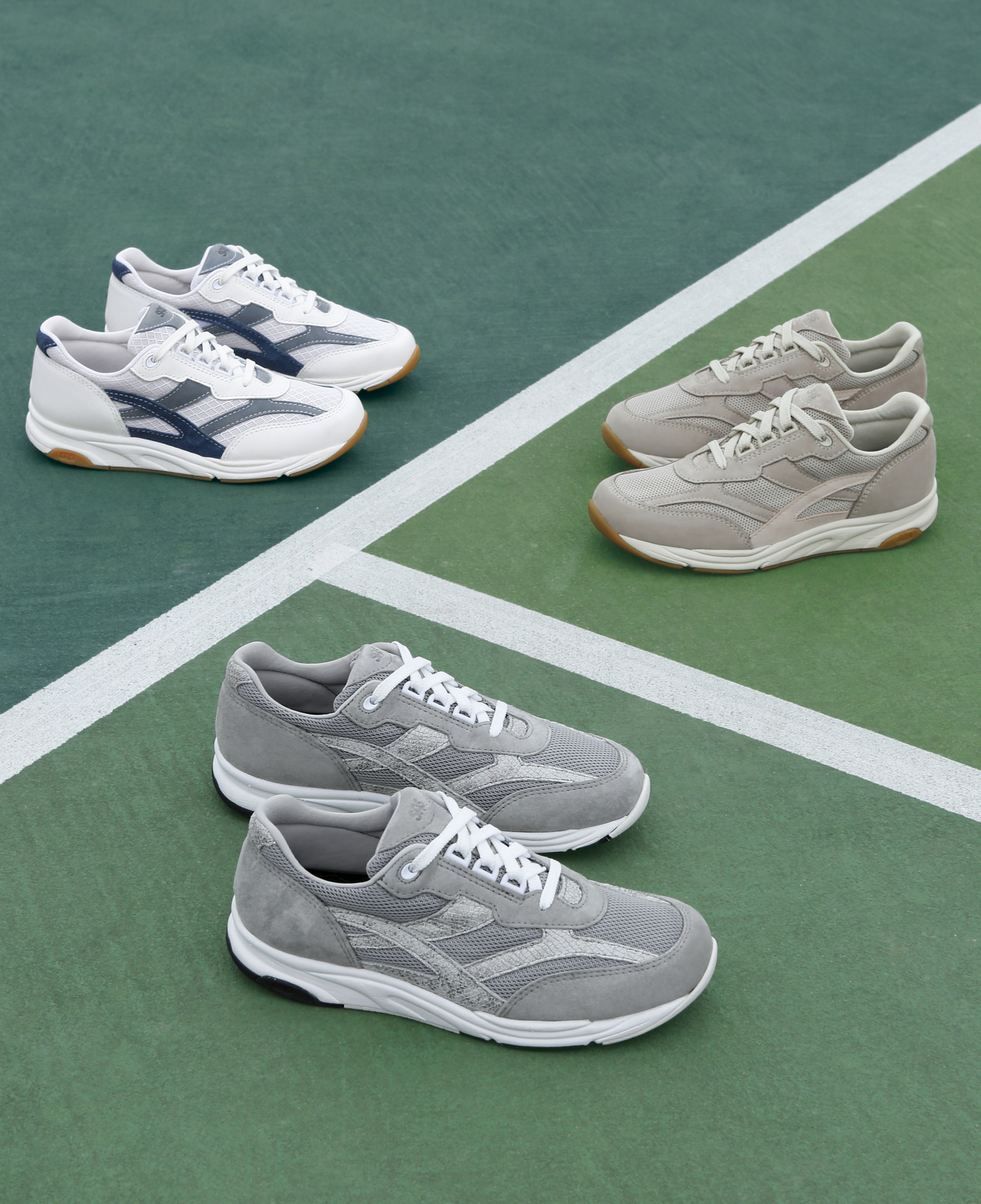
SAS manufactures many styles of shoes for both men and women. Athletic shoes for those who like to play, casual shoes for everyday knocking around, dress shoes for work or more formal situations, sandals, loafers and even shoes for diabetic customers approved by Medicare.
The company, still owned by members of the Armstrong family, operates a shoe factory in San Antonio, a shoe factory in Del Rio and a separate sole-manufacturing facility in Del Rio. Keeping those operations in the United States comes with challenges, particularly in an industry driven by price competition.
“That means we can’t make a $29 shoe for a Walmart or a Target,” Richardson said. “That’s just not going to be a possibility for us. We focus on putting out the best value and the best quality. While the initial cost will be higher than the cheap labor competitors we have, the reality is you’re getting a much better product that’s going to last you longer.”
One of the strongest validations of that approach has come from the U.S. military. SAS recently renewed a contract worth approximately $98 million over three years to manufacture the Mission 1 training shoe worn by recruits during basic training.
The military shoe differs from much of the SAS product lineup because it uses man-made materials rather than leather. The contract demonstrates SAS’s ability to manufacture at scale while meeting rigorous performance requirements and delivery schedules.
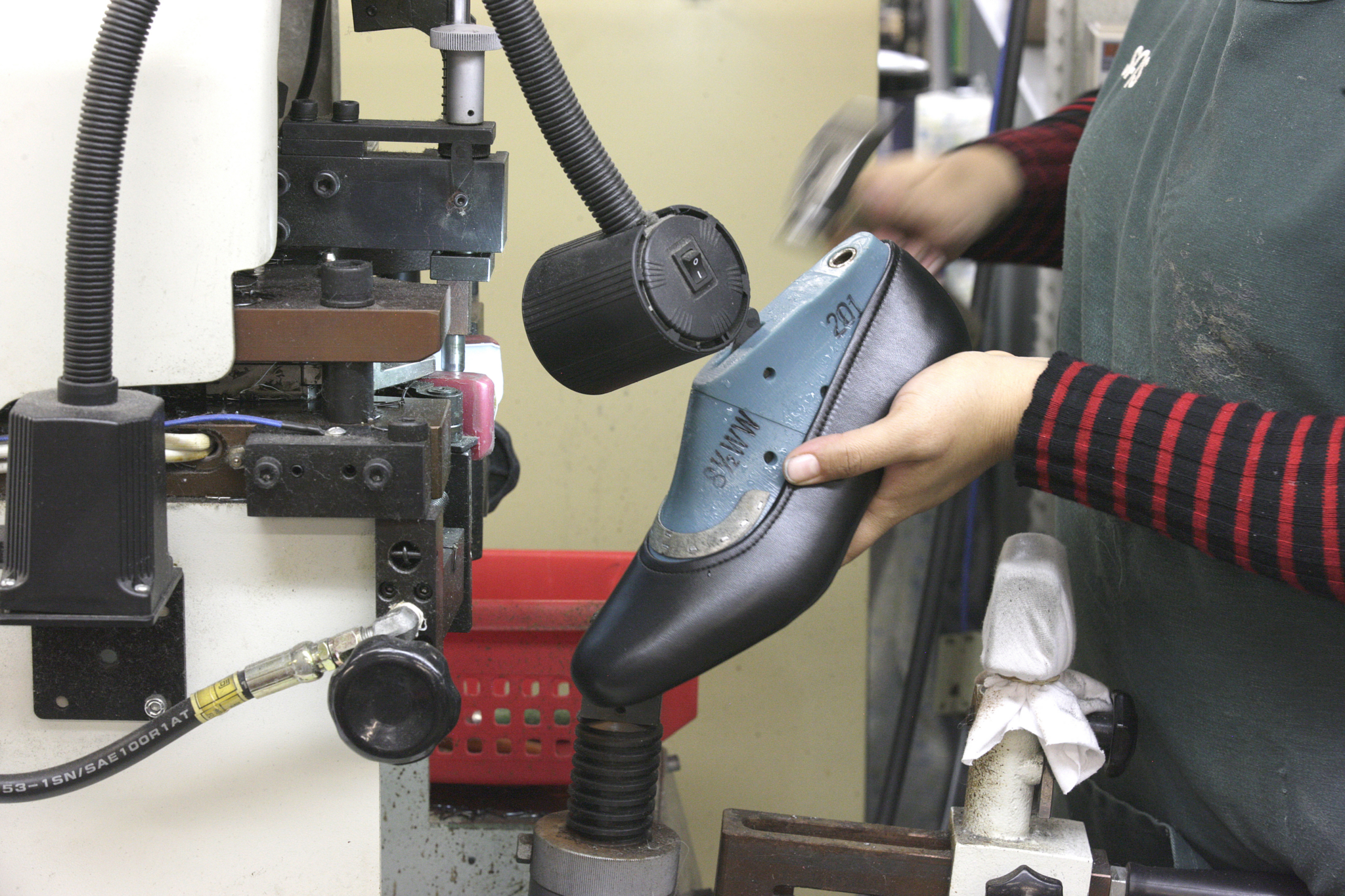
That commitment to manufacturing excellence can be seen in one of the most overlooked elements of shoemaking: the last. The wooden foot-shaped form determines the fit and shape of every shoe and serves as the foundation of the finished product. While most footwear companies purchase lasts from outside suppliers, SAS still creates its own.
“We carve our own shoe lasts,” Richardson said. “We believe we are the final people in the U.S. that are making production shoe lasts. We start with a block of wood and carve that first block until we’re happy. Once we’re satisfied with it, then it goes through the process of becoming production tooling.”
The process reflects the company’s long-standing focus on comfort and fit.
“We like to think we are finding a nice intersection of style and comfort,” Richardson said. “We don’t think consumers should have to choose one or the other.”
That same long-term philosophy extends to product development. While many footwear companies introduce large numbers of styles each season and quickly replace them, SAS expects its products to remain in the line for years.
“When we put a shoe into our line, it’s more of the automotive model,” Richardson said. “We want it to run a minimum of five to seven years. We don’t do a lot of what in the industry would be called ‘turn and burn’ styles. That’s just not who we are.
“The shoe gets touched on average by 65 people before it goes out the door. We consider it very hands-on shoemaking. Depending on the style, that shoe can go through 50 to 75 different steps before it’s finished.”
Maintaining that level of craftsmanship requires highly skilled workers, and finding the next generation of shoemakers has become one of the company’s greatest challenges. As footwear production left the United States over the past several decades, much of the industry’s institutional knowledge left with it.
“Technical shoemaking for us has been a challenge to replace,” Richardson said. “We assume everyone who comes through the door for production we will have to train internally because the skill sets simply aren’t out there the way they once were.
“In our lasting department, our apprenticeship is considered to be eight years. It has become a true challenge because as so much production has gone overseas, shoe companies in the U.S. for a large part have really become more marketing companies. The manufacturing expertise left, and we’ve worked very hard to keep it here.”
The value of that expertise helps explain why employee retention matters so much to the company. Of the original 13 employees hired when SAS began operations in 1976, three still work there today.
“No one ever left our employ for another job,” Richardson said. “Several have passed away, several have retired, but we do have a number of long-term employees. For us, once we train someone, it would really a loss for the factory if they choose to go somewhere else because there’s so much knowledge and experience tied up in that individual.”
The family-owned culture extends beyond ownership itself. Company leaders place a premium on building an environment where employees feel connected both to the business and to one another.
“We are a business. We have to make money and we need to be efficient in production,” Richardson said. “But we also don’t need to squeeze every penny out of every day. We like to celebrate with our employees. That’s important to who we are.”
Although most SAS sales occur in North America, the company’s reach extends well beyond U.S. borders. SAS exports to 18 countries, operates approximately 105 company retail stores and sells through roughly 800 additional retail partners. Richardson said that international demand continues to reinforce the appeal of American-made products.
“It’s quite clear regardless of what political differences the U.S. may have across the globe, people still respect Made in the U.S.,” she said. “There is still tremendous value attached to American manufacturing, and we see that from customers around the world.”
Another SAS differentiator is fit. While many footwear companies have simplified sizing options, SAS continues to offer widths ranging from slim to triple-wide. More than a dozen SAS styles also qualify for Medicare reimbursement for customers managing diabetes and other foot-health concerns.
“We’re very conscious of having sufficient room in the toe box and padding in all the right places to be a good shoe for people with foot issues and diabetes,” Richardson said. “Those customers rely on us, and we take that responsibility seriously.”
Building that reputation took time. In the company’s early years, orders arrived slowly and work could be inconsistent. Over time, however, SAS gained traction and developed an intensely loyal customer base.
“Our challenge is more having consumers find us for the first time than it is about getting repeat business,” Richardson said. “Because once you have worn a pair of SAS, you are typically coming back for more.”
For Richardson, keeping production close to home remains central to the SAS mission.
“The beauty of having our factories in San Antonio and Del Rio is that if we have an issue, we can be there in a few hours,” she said. “We own the product from start to finish. If we have an issue, we have no one else but ourselves to look at. That’s how you maintain quality. You have control over it through the process.”
SAS built its future around the belief that quality shoes could still be made in America and has spent the last five decades proving it.
The Alliance for American Manufacturing does not receive a commission from purchases made through the above links, nor was the organization or author paid for favorable coverage.
Labeling Note: This story is intended to highlight companies that support American jobs and that make great products in the United States. We rely on the companies listed to provide accurate information regarding their domestic operations and their products. Each company featured is individually responsible for labeling and advertising their products according to applicable standards, such as the Federal Trade Commission’s “Made in USA” standard or California’s “Made in USA” labeling law. We do not review individual products for compliance or claim that because a company is listed in the guide that their products comply with specific labeling or advertising standards. Our focus is on supporting companies that create American jobs.
For more on the Federal Trade Commission’s standards for “Made in USA” claims and California’s “Made in USA” labeling law, please also read this guest post by Dustin Painter and Kristi Wolff of Kelly Drye & Warren, LLP.